Urinary Incontinence Treatment in Calgary
Urinary incontinence is the unintentional leakage of urine. It can affect people of different ages and activity levels, making everyday tasks, exercise, work, and social activities more difficult. At PhysioNation, we provide treatment for urinary incontinence in Calgary through pelvic floor physiotherapy. Our assessment focuses on identifying factors contributing to bladder control issues and developing a structured plan to support improved pelvic floor function, bladder control, and confidence during daily activities.
Whether symptoms occur while coughing, laughing, lifting, running, or before reaching the bathroom, early assessment can help identify the cause and determine suitable treatment options.
What Is Urinary Incontinence?
Urinary incontinence refers to the involuntary loss of urine due to reduced bladder control. While it becomes more common with age, it is not considered a normal part of aging. Many people experience symptoms following pregnancy, childbirth, prostate procedures, menopause, pelvic surgery, or changes affecting the pelvic floor muscles.
Several forms of urinary incontinence exist, including:
- Stress urinary incontinence, which occurs during physical activity, coughing, sneezing, or lifting.
- Urge urinary incontinence, which involves a sudden, difficult-to-control urge to urinate.
- Mixed urinary incontinence, combining both stress and urge symptoms.
- Overflow incontinence caused by incomplete bladder emptying.
- Functional incontinence resulting from mobility or physical limitations.
A physiotherapy assessment helps determine which type of incontinence is present and whether pelvic floor dysfunction, muscle weakness, poor coordination, breathing patterns, posture, or movement habits may be contributing

Who Can Benefit From Urinary Incontinence Physiotherapy?
Pelvic floor physiotherapy may be appropriate for many individuals experiencing bladder control concerns.
People commonly seeking treatment include:
- Women during pregnancy or after childbirth.
- Individuals after pelvic or abdominal surgery.
- Men following prostate surgery.
- Adults experiencing bladder leakage during exercise.
- People with frequent urgency or urinary frequency.
- Individuals approaching or experiencing menopause.
- Older adults noticing changes in bladder control.
- Athletes participating in high-impact sports.
- Anyone whose daily routine is affected by urinary leakage.
Regardless of when symptoms began, an assessment can identify contributing factors and help determine suitable treatment options.
Problems Urinary Incontinence Physiotherapy Addresses
Pelvic floor physiotherapy can assist people experiencing:
- Leakage while coughing, sneezing, or laughing.
- Urine loss during running, jumping, or lifting.
- Sudden urges to urinate.
- Frequent bathroom visits throughout the day.
- Nighttime urination disrupting sleep.
- Difficulty delaying the urge to urinate.
- Reduced pelvic floor muscle strength.
- Poor pelvic floor coordination.
- Postpartum pelvic floor changes.
- Bladder control concerns following prostate surgery.
- Reduced confidence during work, travel, or exercise.
Addressing these concerns early may help prevent symptoms from becoming more disruptive over time.
What Your Treatment May Include
Comprehensive Assessment
Your physiotherapist begins by discussing your symptoms, medical history, bladder habits, lifestyle, and activity level. Movement, posture, breathing, core function, and pelvic floor performance may also be assessed to determine contributing factors.
Pelvic Floor Muscle Assessment
Evaluating muscle strength, coordination, endurance, and control provides valuable information about how the pelvic floor is functioning during daily activities.
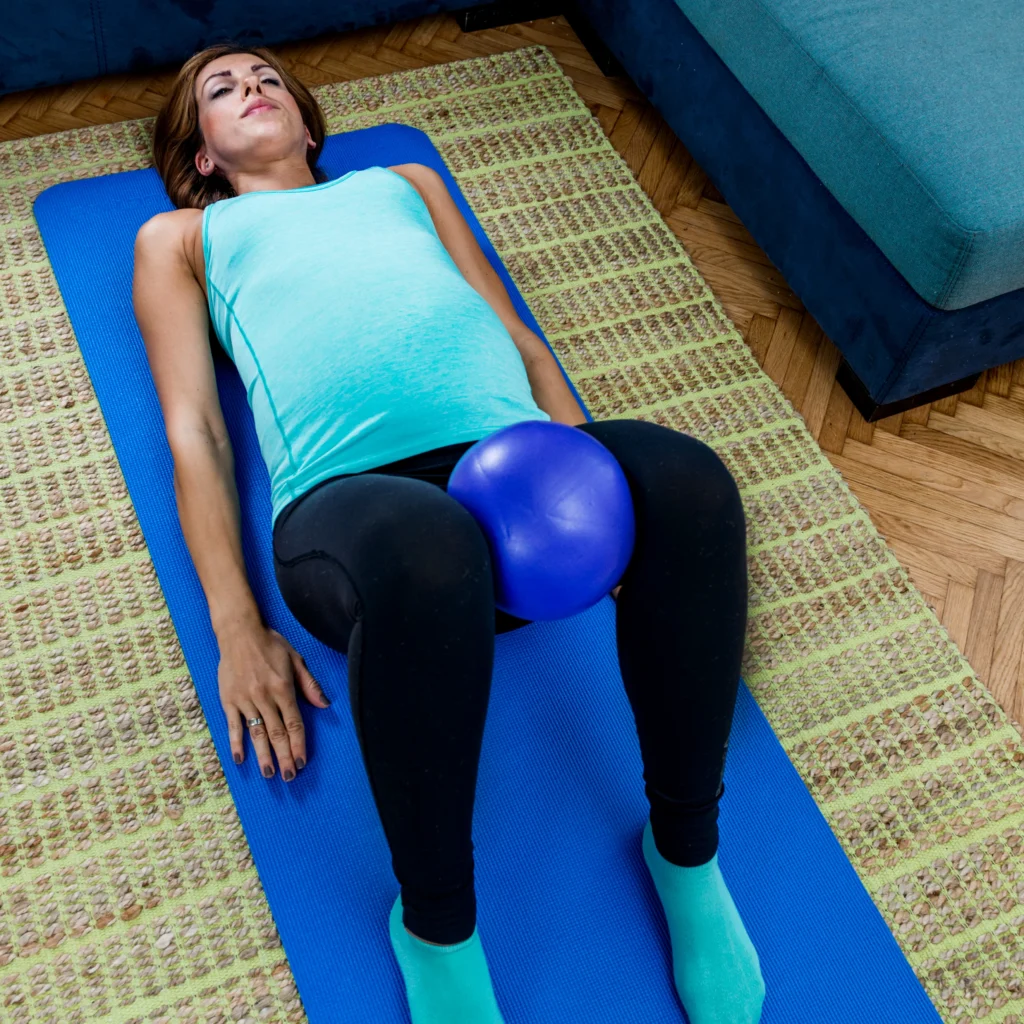
Pelvic Floor Exercise Program
Exercises are selected based on your assessment findings. The program focuses on improving muscle activation, endurance, timing, and coordination for bladder support during movement.
Bladder Retraining
Bladder retraining techniques help reduce urgency, improve bladder habits, and gradually increase the time between bathroom visits where appropriate.
Education
Learning how bladder function, fluid intake, bowel habits, breathing, posture, lifting mechanics, and physical activity influence symptoms allows you to make informed decisions throughout daily life.
Functional Movement Training
Exercises may also focus on core stability, hip strength, balance, and movement patterns that support pelvic floor function during everyday activities.
How the Treatment Process Works
1. Initial Consultation
Your physiotherapist discusses your symptoms, medical history, lifestyle, and treatment goals.
2. Physical Assessment
Movement, muscle function, posture, breathing mechanics, and pelvic floor performance are assessed where appropriate.
3. Individual Care Plan
Based on the findings, your physiotherapist develops a structured treatment plan that matches your symptoms, activity level, and goals.
4. Progressive Treatment
Your exercise program and physiotherapy sessions are adjusted as your strength, coordination, and bladder control change over time.
5. Progress Reviews
Regular reassessments help monitor improvement and determine whether any adjustments are needed.
6. Self-Management Strategies
You receive practical strategies and home exercises that help support continued progress between appointments.
Benefits of Urinary Incontinence Physiotherapy
Pelvic floor physiotherapy may help individuals:
- Improve bladder control.
- Reduce urinary leakage.
- Improve pelvic floor muscle coordination.
- Increase confidence during physical activity.
- Participate more comfortably in exercise.
- Reduce urinary urgency.
- Improve bladder habits.
- Support postpartum recovery.
- Improve core and pelvic stability.
- Return to daily routines with greater confidence.
Treatment recommendations are based on your assessment findings and individual goals.
Who We Work With
PhysioNation provides urinary incontinence physiotherapy for a wide range of individuals throughout Calgary, including:
- Pregnant individuals
- New mothers
- Older adults
- Office workers
- Active adults
- Runners
- Fitness enthusiasts
- Competitive athletes
- Individuals following pelvic surgery
- Men recovering from prostate procedures.
Frequently Asked Questions
Can physiotherapy help urinary incontinence?
Pelvic floor physiotherapy can help many individuals whose symptoms are related to pelvic floor muscle weakness, poor coordination, or movement patterns. Your assessment determines whether physiotherapy is appropriate for your condition.
How many treatment sessions will I need?
The number of sessions varies depending on your symptoms, how long they have been present, your goals, and how consistently you complete home exercises.
Is urinary incontinence only associated with aging?
No. Pregnancy, childbirth, sports participation, pelvic surgery, menopause, neurological conditions, and pelvic floor dysfunction can all contribute to bladder leakage.
Do I need an internal pelvic floor assessment?
An internal assessment may be recommended when appropriate, but it is always discussed beforehand and only completed with your informed consent. External assessment options are also available when suitable.
Should I seek treatment if symptoms are mild?
Even occasional leakage may indicate changes in pelvic floor function. Early assessment can identify contributing factors before symptoms become more disruptive.
Areas We Serve
PhysioNation provides urinary incontinence physiotherapy for individuals across Calgary, including downtown Calgary, Beltline, Mission, Kensington, Bridgeland, Signal Hill, Aspen Woods, Mahogany, Seton, Cranston, Auburn Bay, and surrounding communities.
Why Choose PhysioNation?
At PhysioNation, your care begins with a thorough assessment focused on identifying the underlying contributors to urinary incontinence rather than simply addressing symptoms. Every treatment plan is based on your assessment findings, functional goals, activity level, and lifestyle.
Our physiotherapists combine pelvic floor rehabilitation, movement assessment, exercise therapy, education, and progressive follow-up to help you build strength, improve bladder control, and participate more comfortably in daily activities.
Related Services
You may also be interested in:
- Pelvic Floor Physiotherapy
- Postpartum Physiotherapy
- Pregnancy Physiotherapy
- Women’s Health Physiotherapy
- Core Rehabilitation
- Manual Therapy
- Exercise Rehabilitation
Get Started
If urinary leakage, urgency, or bladder control concerns are affecting your daily routine, PhysioNation is here to help.
Address: CO-OP PLAZA HAMPTONS, 1000 Hamptons Dr NW #622, Calgary, AB T3A 6A7, Canada
Phone: +1 403-475-8816
Book an assessment with our Calgary physiotherapy team to identify the factors contributing to your symptoms and begin a structured pelvic floor rehabilitation plan that supports improved bladder control and confidence in everyday life.