Work-Related Injuries / WCB in Calgary
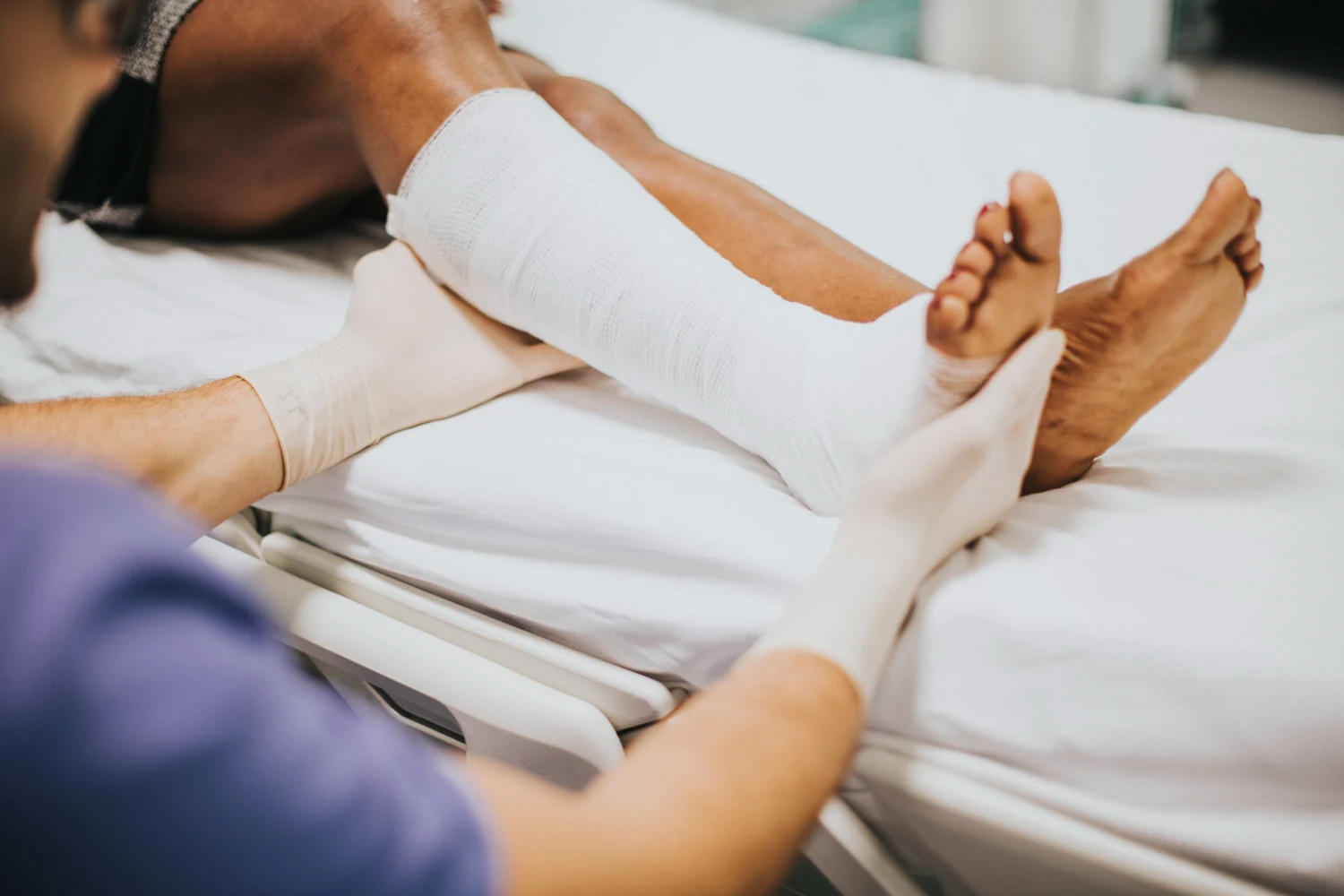
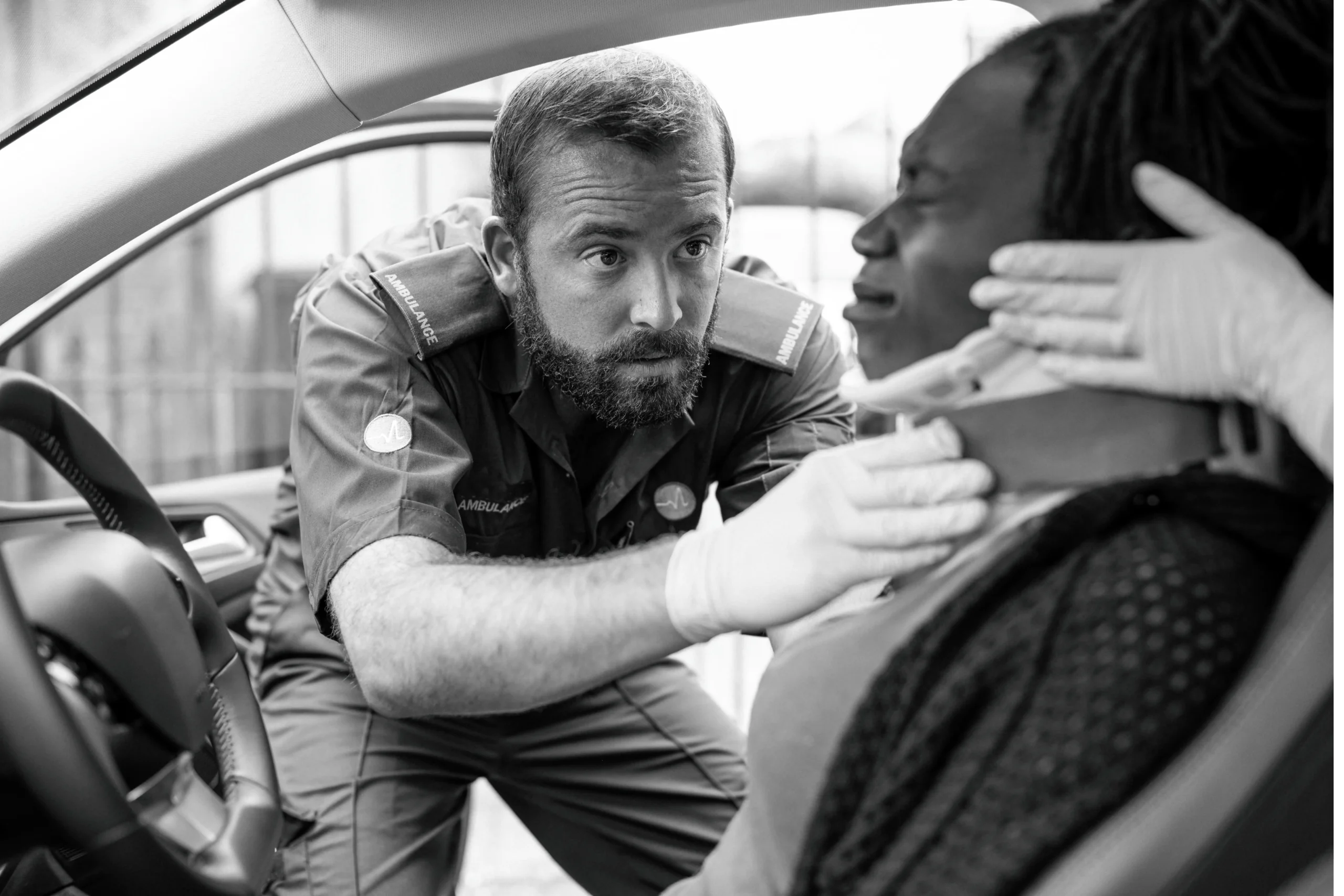
A workplace injury can interrupt your daily routine, limit your ability to perform job duties, and affect your confidence at work. Whether your injury happened suddenly or developed over time through repetitive tasks, early assessment and appropriate rehabilitation can support a safer return to work.
At PhysioNation, we provide assessment and rehabilitation for individuals with work-related injuries and accepted Workplace Compensation Board (WCB) claims in Calgary. Our physiotherapists work closely with each person to identify movement limitations, restore function, and assist throughout the recovery process while maintaining communication with WCB when required.
What Are Work-Related Injuries?
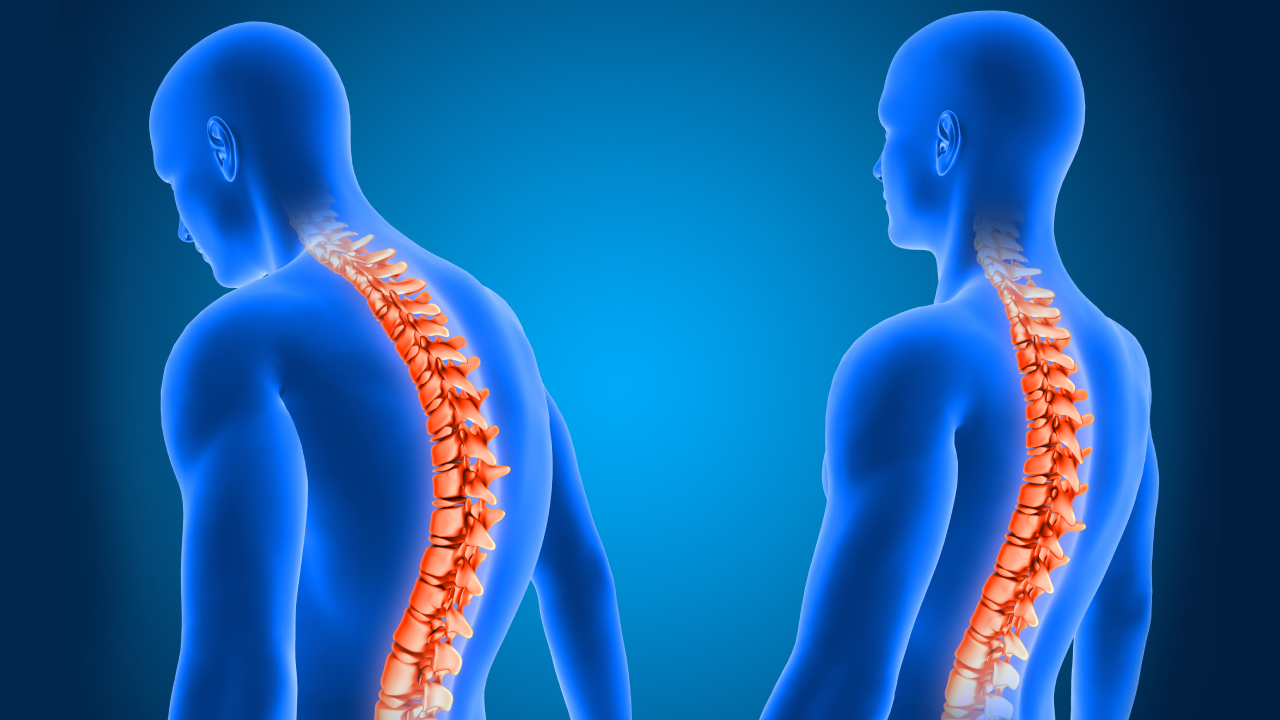
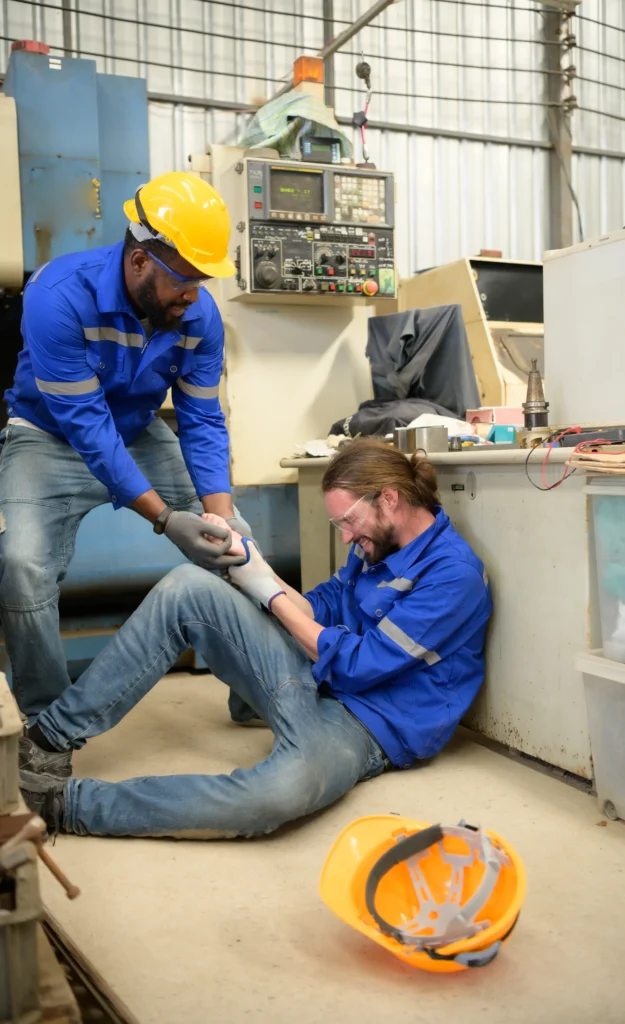
Work-related injuries are physical conditions that occur while performing job duties or as a direct result of workplace activities. These injuries may result from a single incident, such as a fall or lifting, or develop gradually through repetitive movements, prolonged standing, awkward postures, or continuous physical demands.
People from many industries can experience workplace injuries, including construction, healthcare, warehousing, manufacturing, transportation, retail, office administration, and hospitality.
Common work-related injuries include:
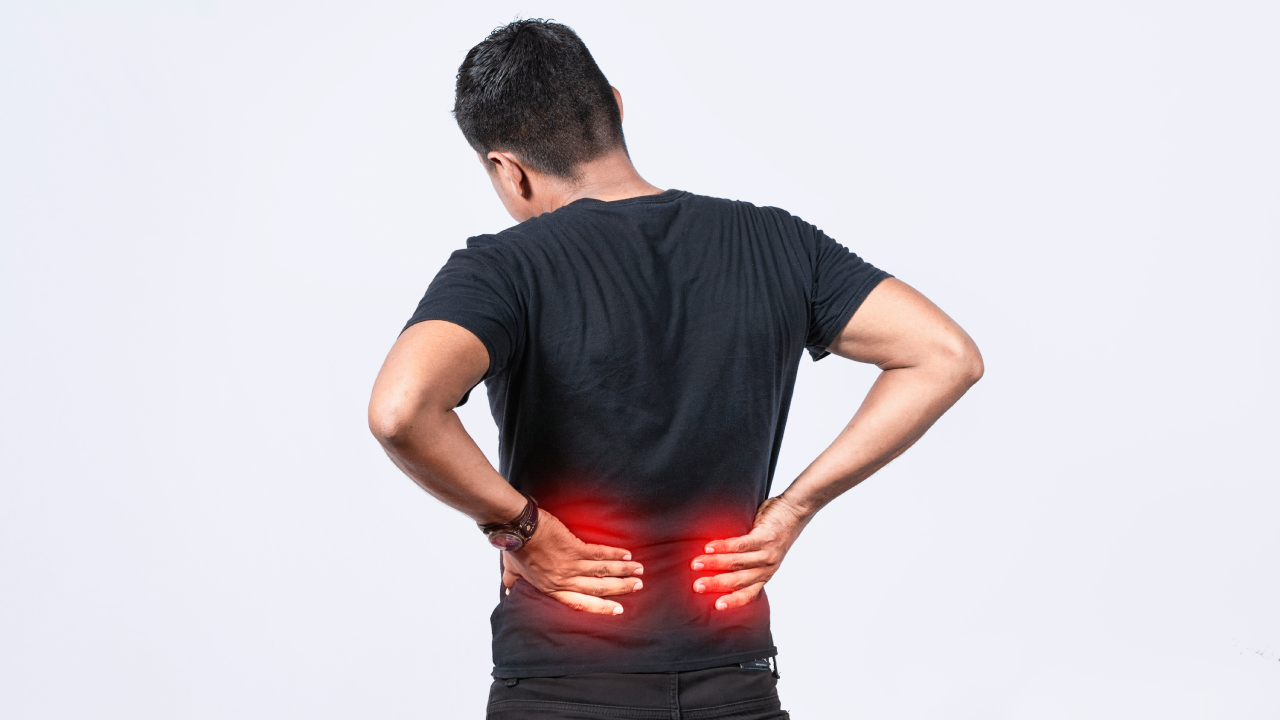
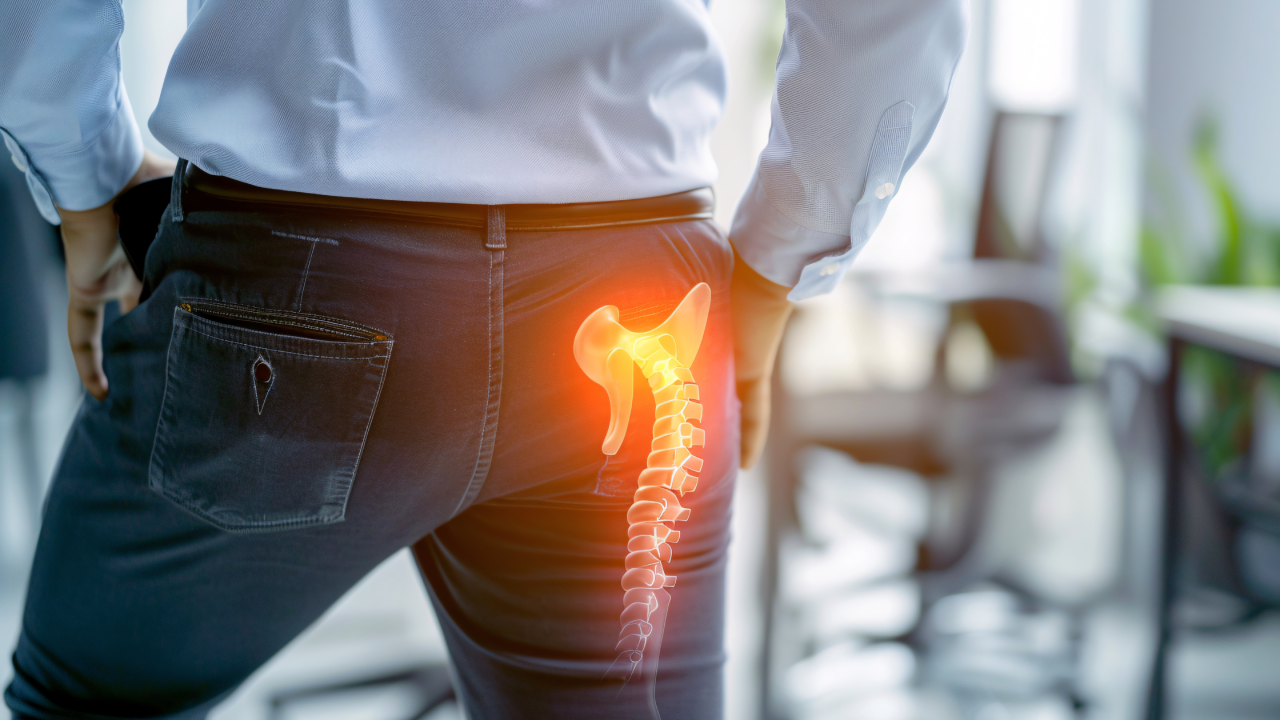
- Back strains
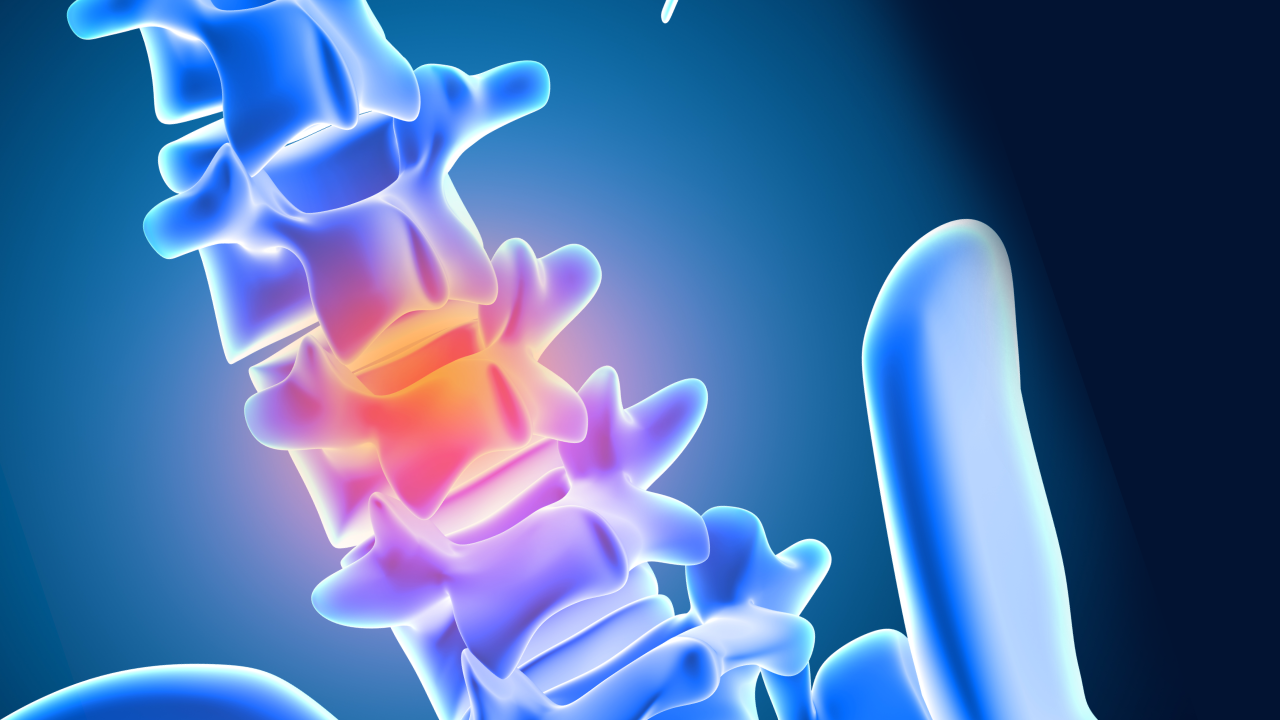
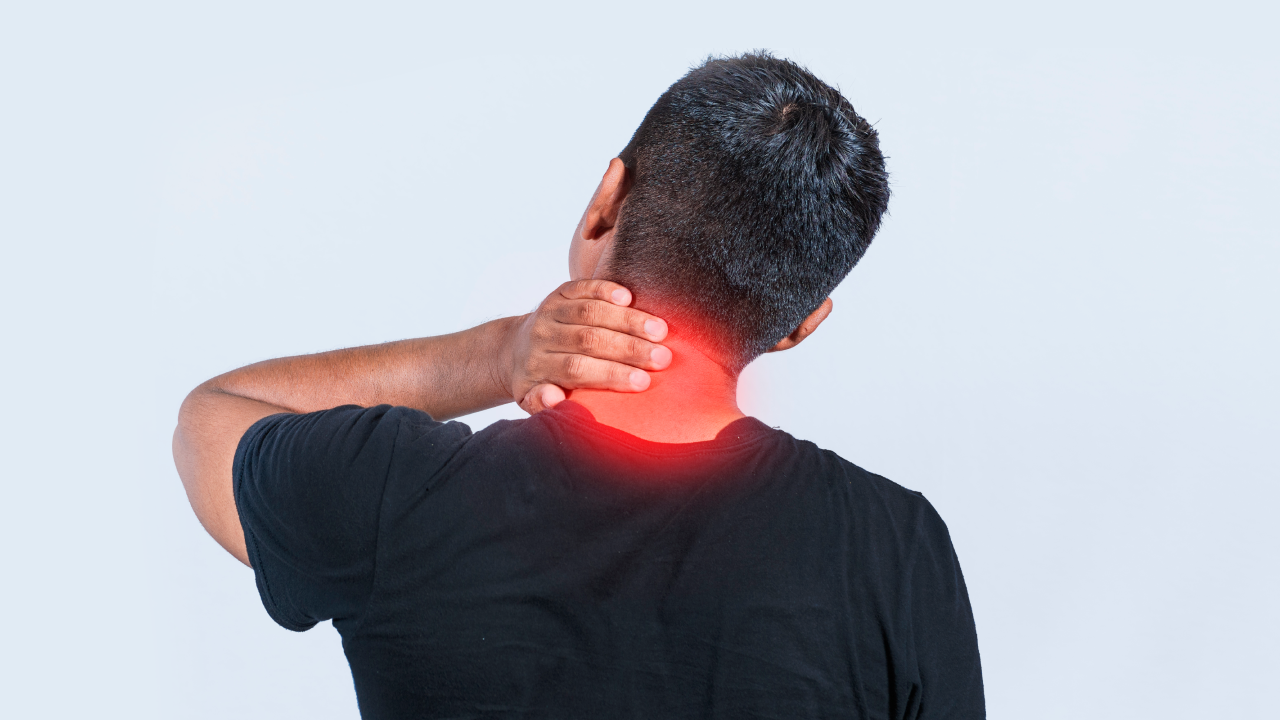
- Neck pain
- Shoulder injuries
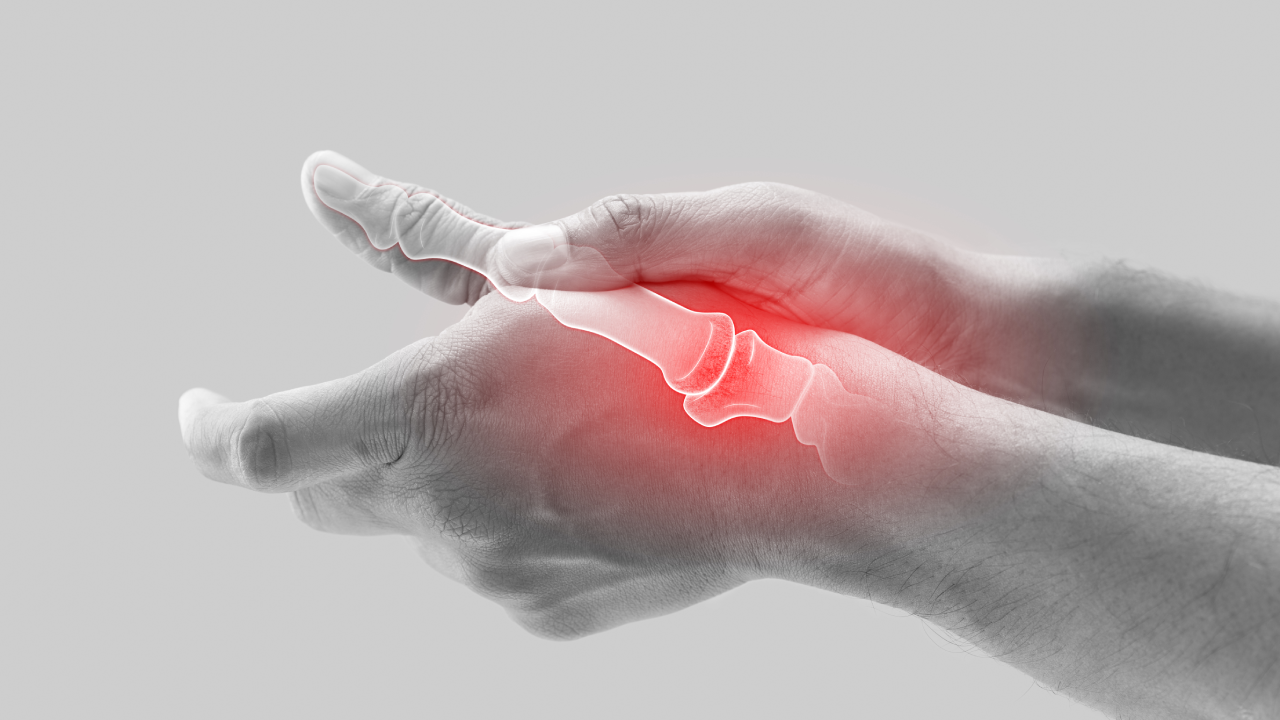
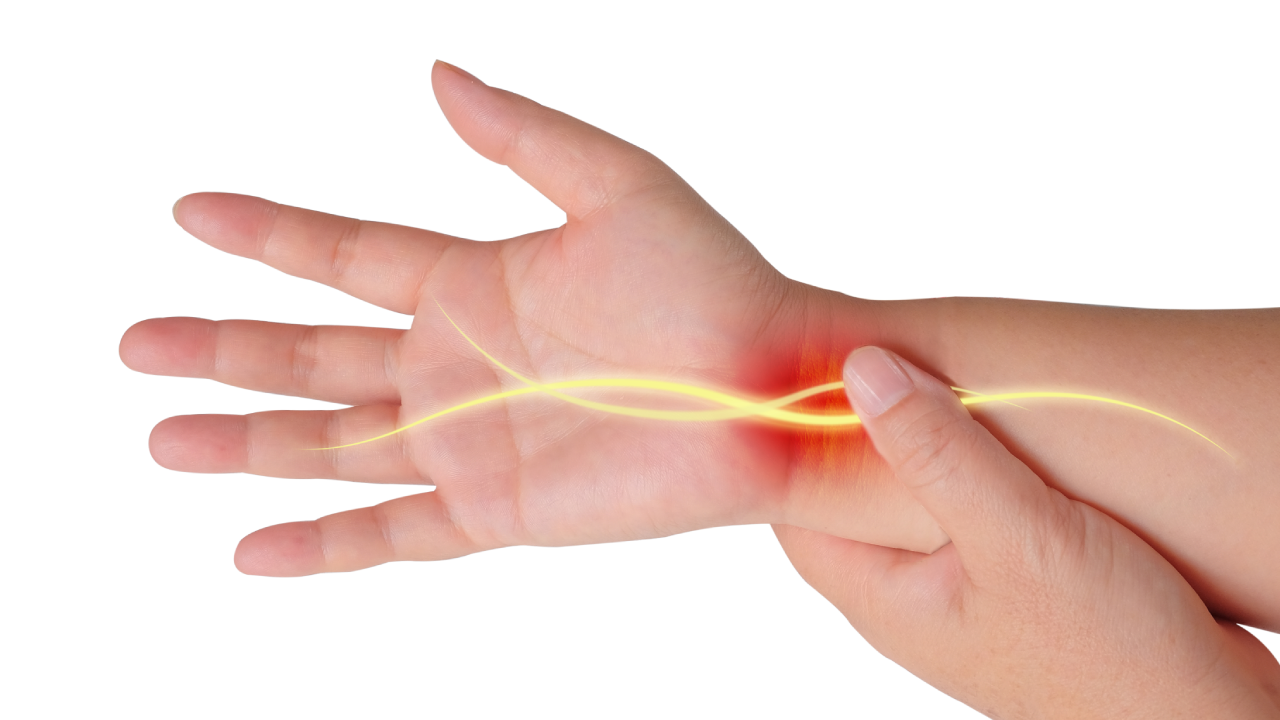
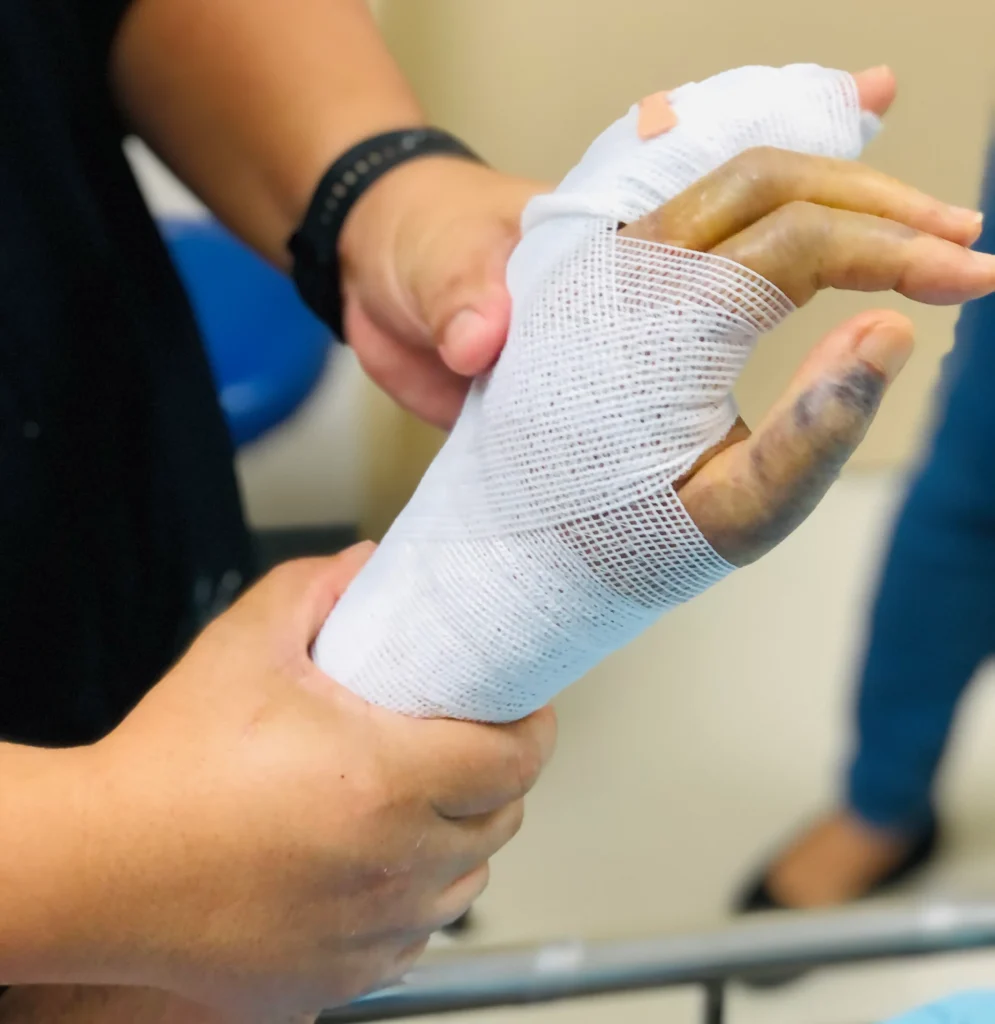
- Wrist and hand conditions
- Knee injuries
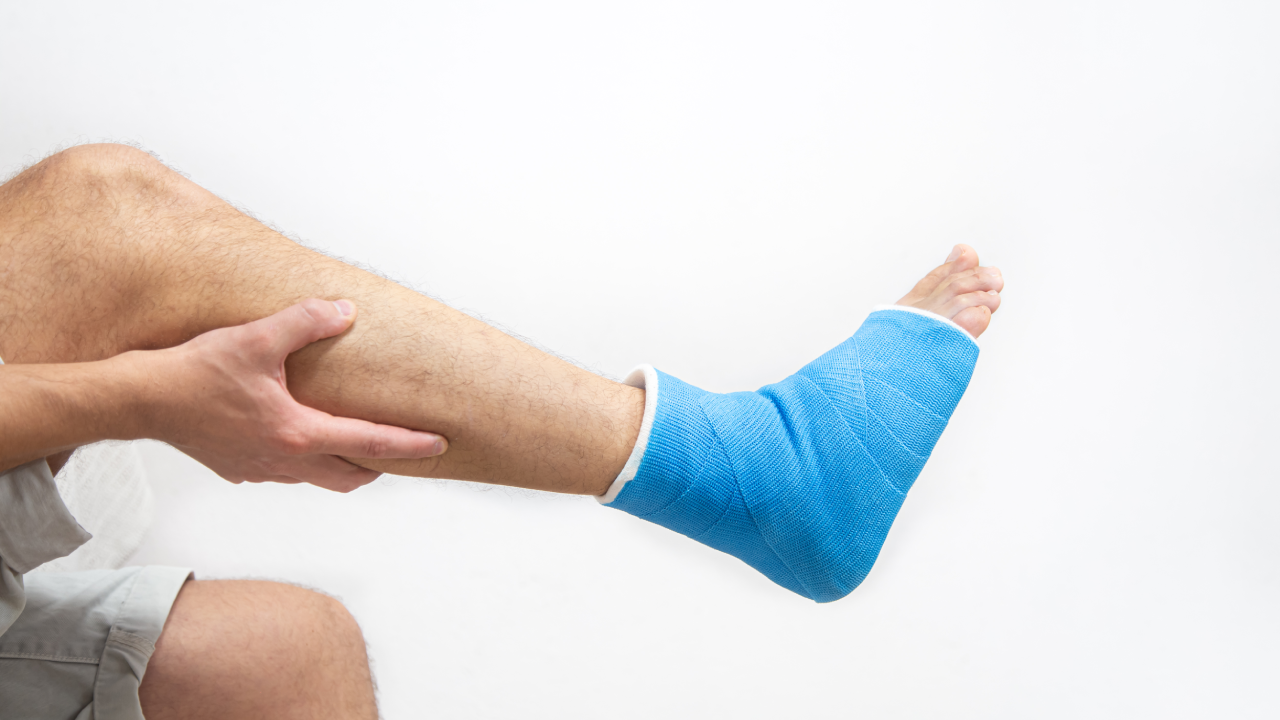
- Ankle sprains
- Muscle strains
- Tendon irritation
- Repetitive strain injuries
- Joint sprains
A physiotherapy assessment helps determine how the injury affects movement, strength, flexibility, balance, and everyday work activities so an appropriate rehabilitation plan can begin.
Who Can Benefit From WCB Physiotherapy?
Work-related injury rehabilitation may be suitable for individuals who:
- Were injured while performing work duties.
- Have an approved WCB claim.
- Perform physically demanding work.
- Complete repetitive tasks throughout the day.
- Spend extended hours sitting at a workstation.
- Need support returning to regular job duties.
- Want to improve strength and mobility following a workplace injury.
- Have recurring discomfort linked to their occupation.
Whether your work involves lifting, driving, computer use, climbing, carrying equipment, or prolonged standing, rehabilitation focuses on restoring movement needed for your specific role.
Problems This Service Addresses
A workplace injury may affect far more than the injured body part. It can interfere with productivity, mobility, and confidence during daily activities.
PhysioNation helps address issues such as:
- Difficulty lifting, carrying, or reaching
- Reduced joint mobility
- Muscle weakness
- Ongoing stiffness
- Pain during work tasks
- Limited walking or standing tolerance
- Difficulty returning to previous duties
- Reduced balance or coordination
- Poor movement patterns after injury
- Physical limitations following surgery related to a workplace injury
Early physiotherapy can also help prevent unnecessary loss of movement and physical conditioning during recovery.
Features & Deliverables
Thorough Physical Assessment
Every program begins with an assessment of your injury, symptoms, medical history, work demands, and movement abilities. This creates a clear starting point for rehabilitation.
Individual Rehabilitation Program
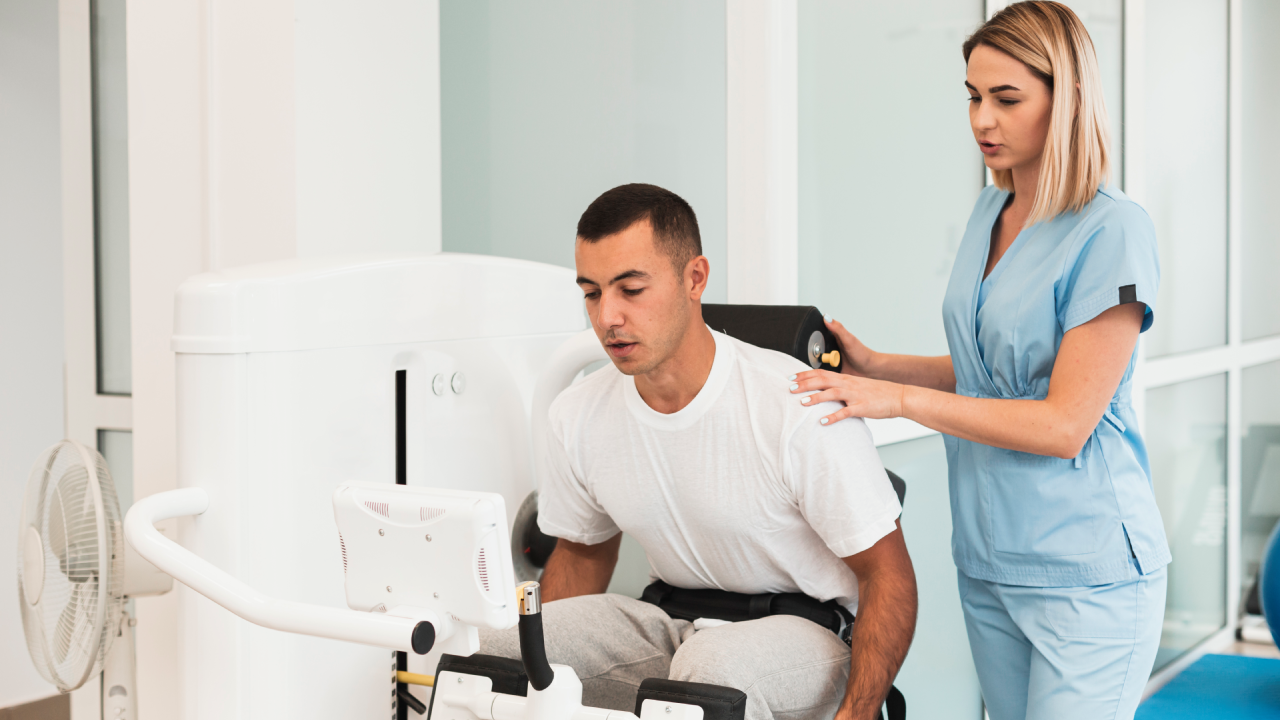
Exercises are selected according to your current abilities and gradually progress as movement, strength, and function improve.
Hands-On Treatment
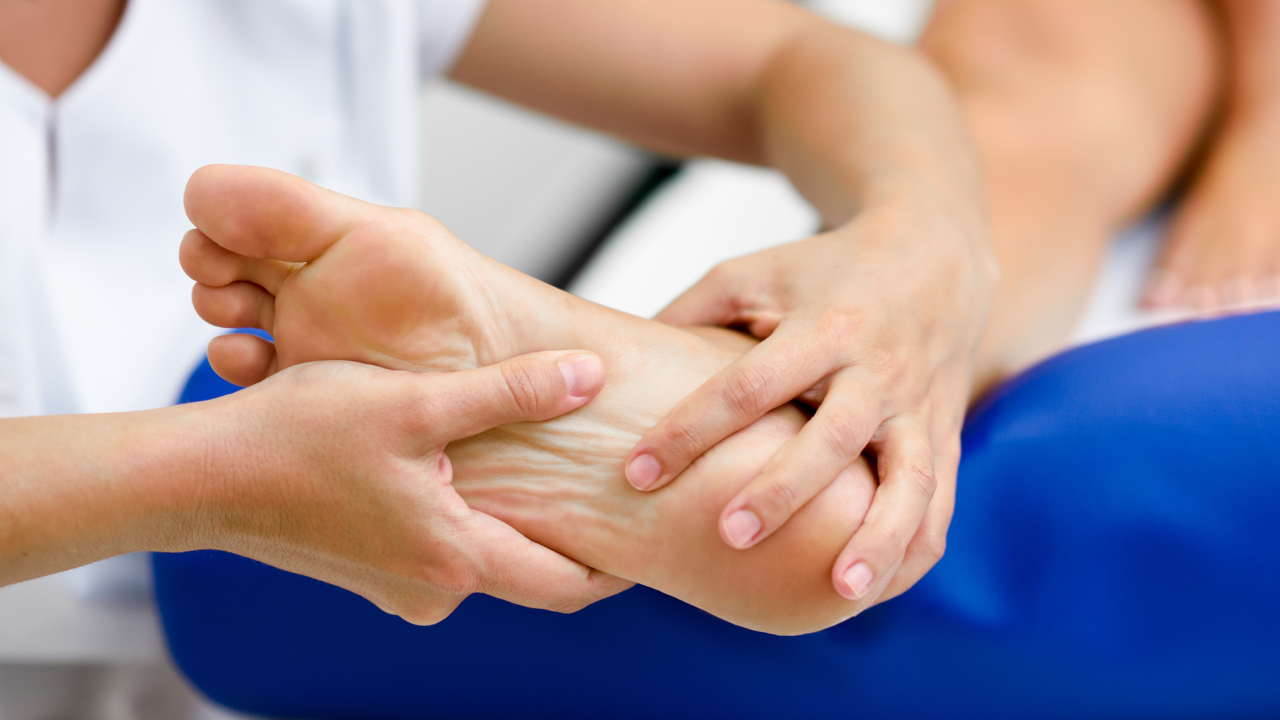
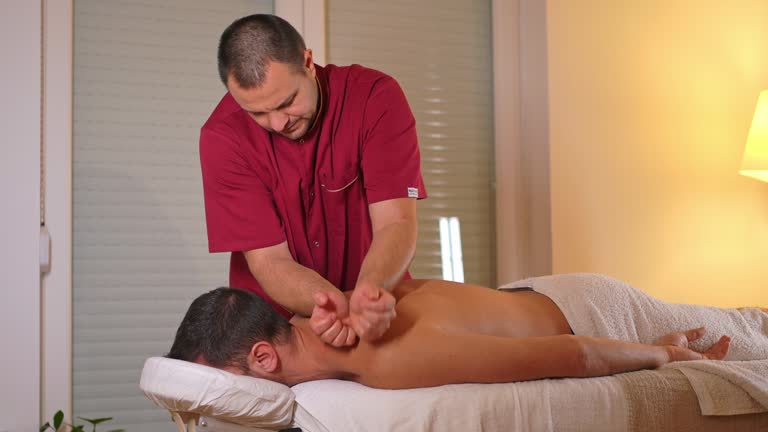
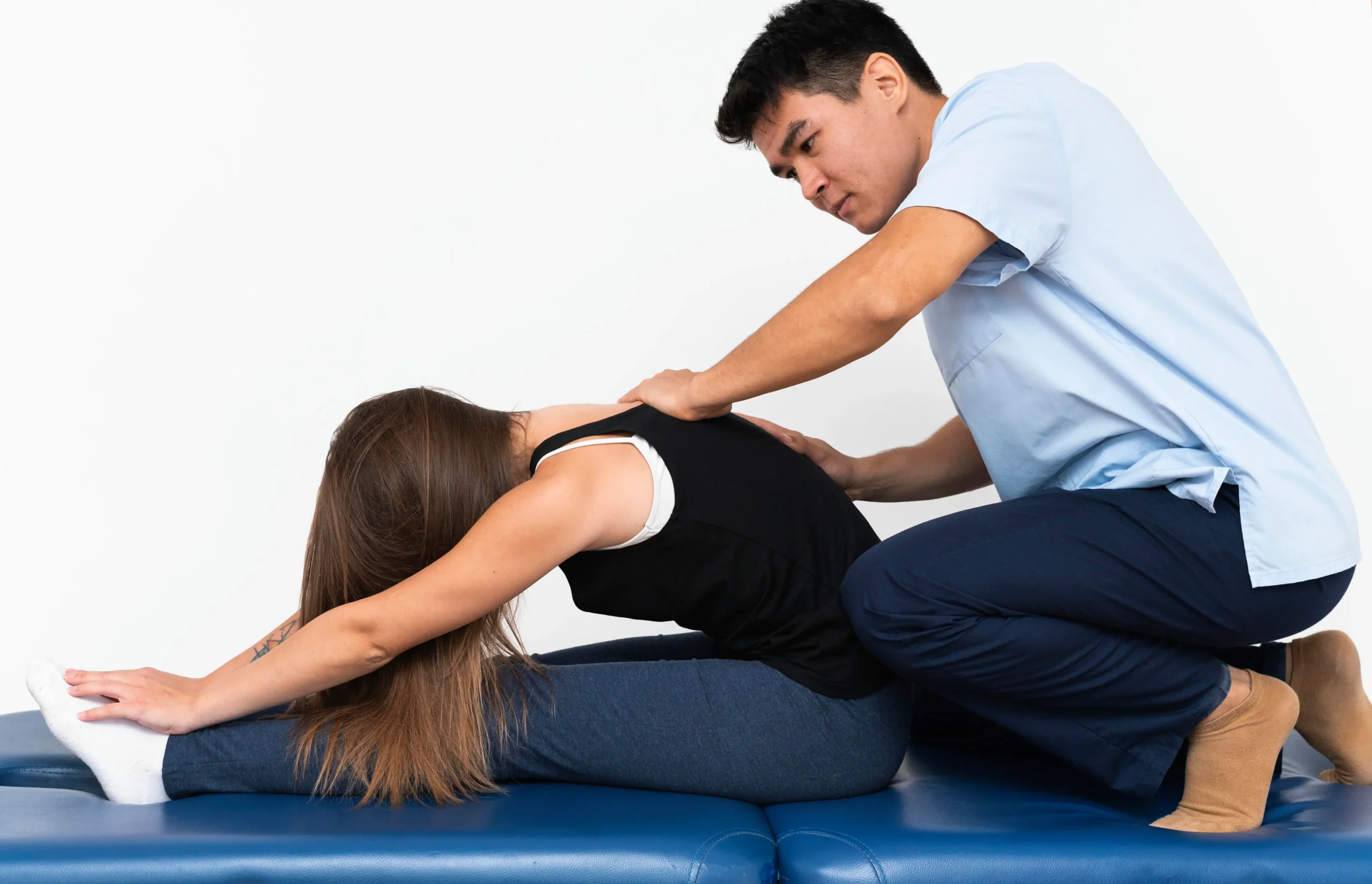
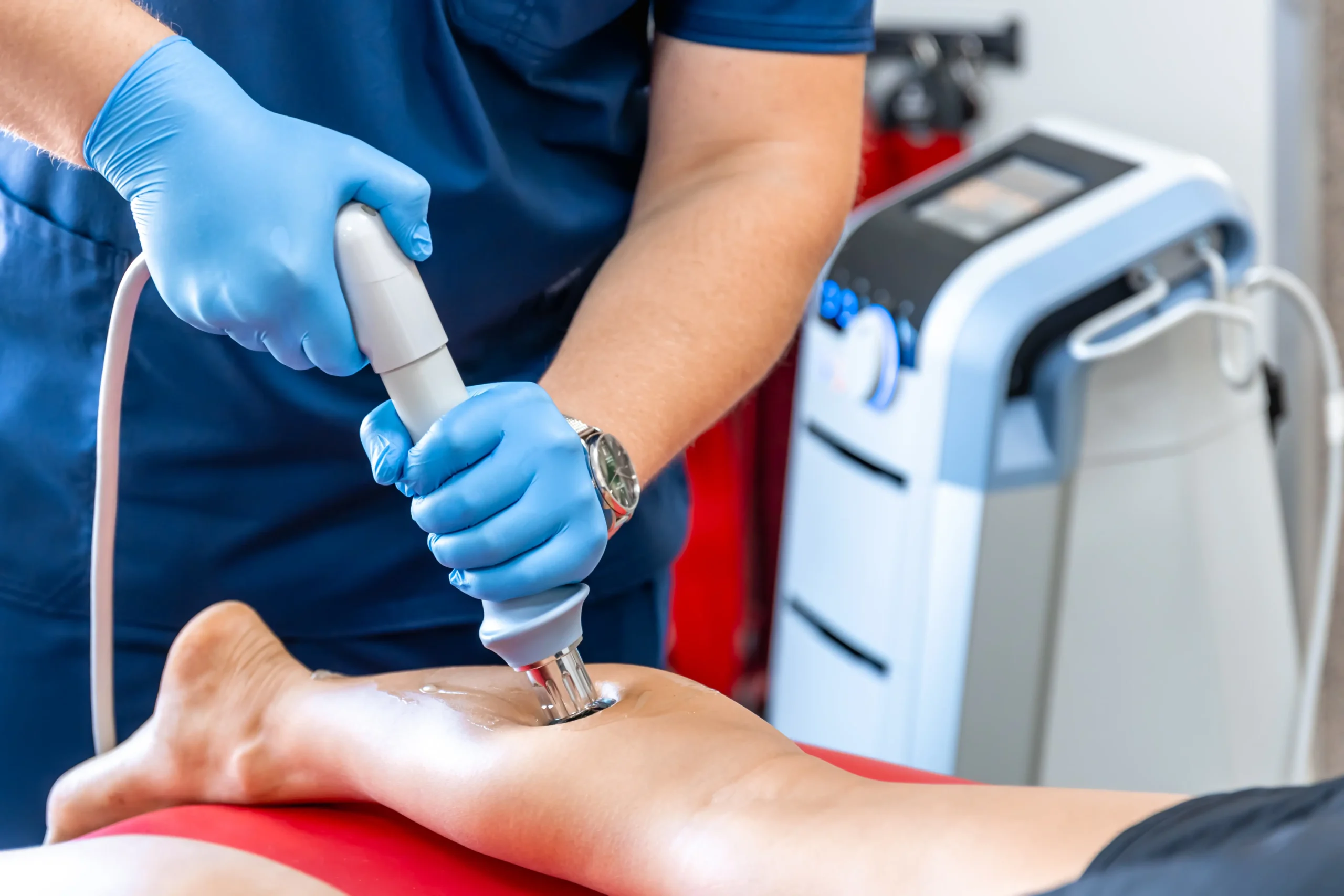
Where appropriate, manual therapy techniques may be used to improve joint mobility, reduce muscle tightness, and assist normal movement.
Workplace-Focused Exercise
Your rehabilitation may include movements that reflect lifting, pushing, pulling, carrying, bending, squatting, or reaching activities performed during work.
Progress Monitoring
Regular reassessments allow your physiotherapist to monitor your progress and adjust treatment accordingly.
WCB Communication
When required, documentation and progress reports can be completed to meet Workplace Compensation Board requirements and help maintain communication throughout your claim.
How the Process Works
1. Initial Consultation
Your physiotherapist discusses how the injury occurred, your symptoms, job requirements, and recovery goals.
2. Physical Assessment
Movement, strength, flexibility, balance, posture, and functional limitations are evaluated.
3. Rehabilitation Planning
A structured treatment plan is developed based on your condition, workplace demands, and current physical abilities.
4. Active Treatment
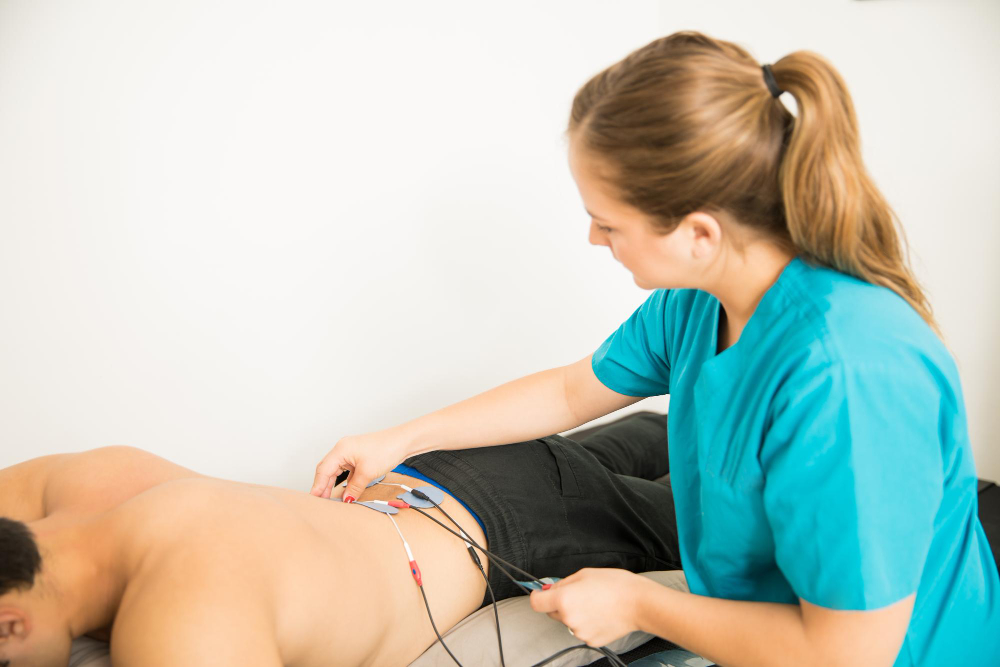
Treatment may include manual therapy, mobility exercises, strengthening exercises, stretching, education, and functional movement training.
5. Progress Reviews
Your rehabilitation plan is adjusted as movement improves and your physical capacity increases.
6. Return-to-Work Preparation
As recovery progresses, treatment focuses on helping you safely perform the physical tasks required for your occupation.
Benefits of WCB Physiotherapy
Following a structured rehabilitation program can help you:
- Restore joint mobility.
- Increase strength.
- Improve flexibility.
- Improve balance and coordination.
- Return to daily activities with greater confidence.
- Prepare for workplace demands.
- Reduce physical limitations during work tasks.
- Improve movement quality.
- Build physical capacity for job-specific activities.
- Support a safe return-to-work process.
Every person’s recovery timeline is different and depends on the nature of the injury, overall health, and job requirements.
Occupations We Commonly See
PhysioNation provides rehabilitation for individuals working in many industries, including:
- Construction
- Healthcare
- Warehousing
- Manufacturing
- Transportation
- Office environments
- Retail
- Hospitality
- Education
- Public services
- Trades
- Industrial workplaces
Regardless of your occupation, treatment focuses on the movements required for your daily responsibilities.
Frequently Asked Questions
Does WCB cover physiotherapy?
If your WCB claim has been accepted, physiotherapy services may be covered according to WCB policies.
Do I need a doctor’s referral?
Requirements can vary depending on your claim. Our team can explain the process during your appointment.
What should I bring to my first appointment?
Bring your WCB claim information, identification, and any relevant medical documents if available.
How many treatment sessions will I need?
The number of visits depends on your injury, recovery progress, and WCB recommendations.
Will my physiotherapist communicate with WCB?
Yes. When required, reports and updates can be submitted to support your ongoing claim.
Service Areas
PhysioNation provides work-related injury rehabilitation and WCB physiotherapy for individuals throughout Calgary, including nearby communities and surrounding areas.
Why Choose PhysioNation?
PhysioNation focuses on helping injured workers restore movement, strength, and function through evidence-informed physiotherapy.
Our clinic provides:
- One-to-one physiotherapy appointments.
- Individual assessment and rehabilitation.
- Functional exercise programs.
- Hands-on treatment where appropriate.
- Ongoing progress evaluations.
- Support throughout the WCB rehabilitation process.
- Care focused on returning to work safely and confidently.
Our physiotherapists work with your physical abilities, job requirements, and rehabilitation goals to help you progress through each stage of recovery.
Related Services
You may also be interested in:
- Physiotherapy
- Sports Injury Rehabilitation
- Motor Vehicle Accident Rehabilitation
- Manual Therapy
- Vestibular Rehabilitation
- Pelvic Floor Physiotherapy
- Acupuncture
- Dry Needling
- Concussion Rehabilitation
- Chronic Pain Management
Get Started
If you’ve sustained a workplace injury, early assessment can help identify movement limitations and begin rehabilitation as soon as possible. Contact PhysioNation today to schedule your work-related injury assessment in Calgary.
Address: CO-OP PLAZA HAMPTONS, 1000 Hamptons Dr NW #622, Calgary, AB T3A 6A7, Canada
Phone: +1 403-475-8816
Our team will explain the next steps, answer your questions about the WCB process, and help you begin a structured rehabilitation program focused on returning to everyday activities and workplace demands.