TMJ Rehab in Calgary
Temporomandibular joint (TMJ) dysfunction can make everyday activities such as chewing, speaking, laughing, yawning, and opening your mouth uncomfortable. Jaw pain, clicking, stiffness, muscle tension, and restricted movement can affect your eating habits, sleep, and overall quality of life. At PhysioNation, we provide TMJ rehab in Calgary to help individuals manage jaw-related symptoms, improve movement, and feel more comfortable during daily activities.
Our physiotherapists take a personalized approach to jaw care by assessing your jaw function alongside related areas, including your neck, shoulders, posture, and surrounding muscles. Since these structures work together, understanding how they interact can help identify potential factors contributing to your symptoms.
Based on your assessment, we develop a treatment plan tailored to your condition, functional limitations, and personal goals. Whether you experience occasional jaw clicking or persistent discomfort when chewing, our team can help you explore appropriate physiotherapy options for your needs.
What is TMJ rehab in Calgary?
The temporomandibular joint is located on each side of your face, where your lower jaw connects to your skull. These joints allow your jaw to move up and down, forward and backward, and from side to side. They play an essential role in chewing, speaking, swallowing, and other everyday movements.
The TMJ works through the coordinated action of muscles, ligaments, joint structures, and nerves. A small cartilage disc within each joint helps support smooth movement during opening and closing.
When the joint or surrounding muscles become irritated or their normal function is affected, temporomandibular disorders (TMD) may develop. These conditions can involve the joint itself, the muscles responsible for jaw movement, or a combination of both.
Some people experience mild symptoms that come and go, while others develop persistent pain, limited jaw movement, or difficulty performing routine activities. An appropriate assessment can help determine which structures may be contributing to your symptoms and whether physiotherapy is suitable.


Common Symptoms of TMJ Dysfunction
TMJ-related symptoms can vary depending on the individual and the underlying cause. While some people notice discomfort directly around the jaw joint, others experience symptoms that extend into the face, temples, ears, neck, or shoulders.
Common signs and symptoms include:
- Jaw pain, tenderness, or soreness
- Clicking or popping sounds during jaw movement
- Grinding sensations around the jaw joint
- Difficulty opening or closing the mouth fully
- Jaw stiffness or restricted movement
- Jaw locking in an open or closed position
- Pain while chewing, biting, or eating firm foods
- Tightness in the facial muscles
- Headaches or discomfort around the temples
- Ear discomfort, fullness, or ringing
- Neck and shoulder tension
- Pain when yawning, laughing, or speaking
- Changes in how the upper and lower teeth meet
Not everyone with jaw clicking has a TMJ disorder, and symptoms such as headaches or ear discomfort can have other causes. However, when these symptoms occur alongside jaw pain or restricted movement, an assessment may help clarify the possible contributing factors.
If jaw discomfort interferes with eating, speaking, sleeping, or other daily activities, seeking professional guidance can help you understand your options.
What Causes TMJ Problems?
TMJ dysfunction can develop for several reasons. Symptoms may appear gradually because of repetitive habits or muscle tension, or they may begin following an injury or sudden impact.
Potential contributing factors include the following:
- Teeth grinding and clenching: Repeatedly tightening the jaw can increase the workload on the jaw muscles and joints.
- Stress-related muscle tension: Stress may contribute to unconscious clenching and increased facial muscle activity.
- Jaw injuries: Direct trauma or an impact to the face may affect the joint or surrounding tissues.
- Motor vehicle accidents: Sudden head and neck movement may contribute to jaw discomfort in some individuals.
- Arthritis: Certain joint conditions can affect the structures of the TMJ.
- Repetitive habits: Frequent gum chewing, nail biting, or other repetitive jaw movements may aggravate symptoms.
- Neck pain and muscle dysfunction: Restrictions or tension around the neck may coexist with jaw discomfort.
- Postural habits: Prolonged desk work and sustained head positions may contribute to neck and upper body tension.
- Dental changes: Tooth loss and certain dental concerns may affect chewing patterns and warrant professional assessment.
TMJ symptoms do not always have one identifiable cause. Multiple factors may contribute, which is why an individualized assessment is important when determining the most appropriate treatment approach.
TMJ Assessment at PhysioNation
At PhysioNation, your initial assessment focuses on understanding your symptoms, examining your jaw movement, and identifying factors that may be affecting your daily function.
Your physiotherapist in Calgary may evaluate several areas to develop a clearer picture of your condition.
Jaw Movement and Function
Your physiotherapist may assess how far your mouth opens, how smoothly your jaw moves, and whether opening or closing causes discomfort. Clicking, popping, locking, and movement restrictions may also be discussed.
Jaw and Facial Muscles
The muscles around your jaw, cheeks, and temples may be assessed for tenderness, tightness, and sensitivity. Muscle-related symptoms can contribute to pain during chewing and other jaw movements.
Neck, Shoulders, and Posture
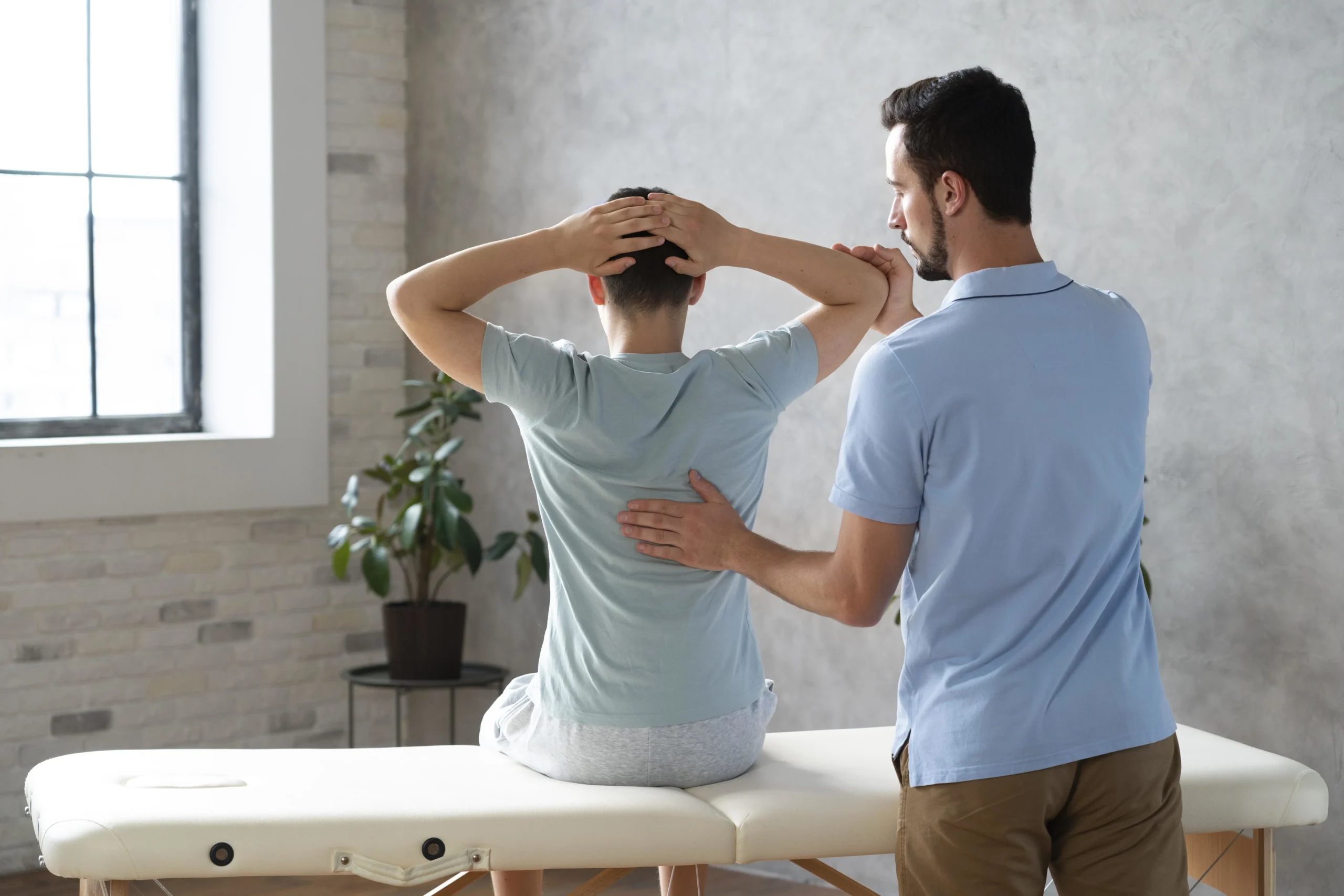
Because the jaw and neck are functionally connected, your assessment may include neck mobility, shoulder movement, head position, and upper body muscle tension. This helps identify whether related movement restrictions may be contributing to your symptoms.
Medical and Dental History
Your physiotherapist may ask about previous injuries, motor vehicle accidents, dental procedures, jaw habits, and activities that aggravate or relieve your symptoms.
The information gathered during your assessment helps guide a treatment plan suited to your condition, goals, and functional needs. If your symptoms suggest a dental or medical issue requiring further investigation, you may be advised to consult the appropriate healthcare professional.
TMJ Rehab in Calgary Physiotherapy Treatment Options
The goal of TMJ rehab in Calgary at PhysioNation is to address relevant movement restrictions, manage muscle tension, and improve your ability to perform everyday activities comfortably.
Treatment depends on your assessment findings and may involve a combination of the following approaches.
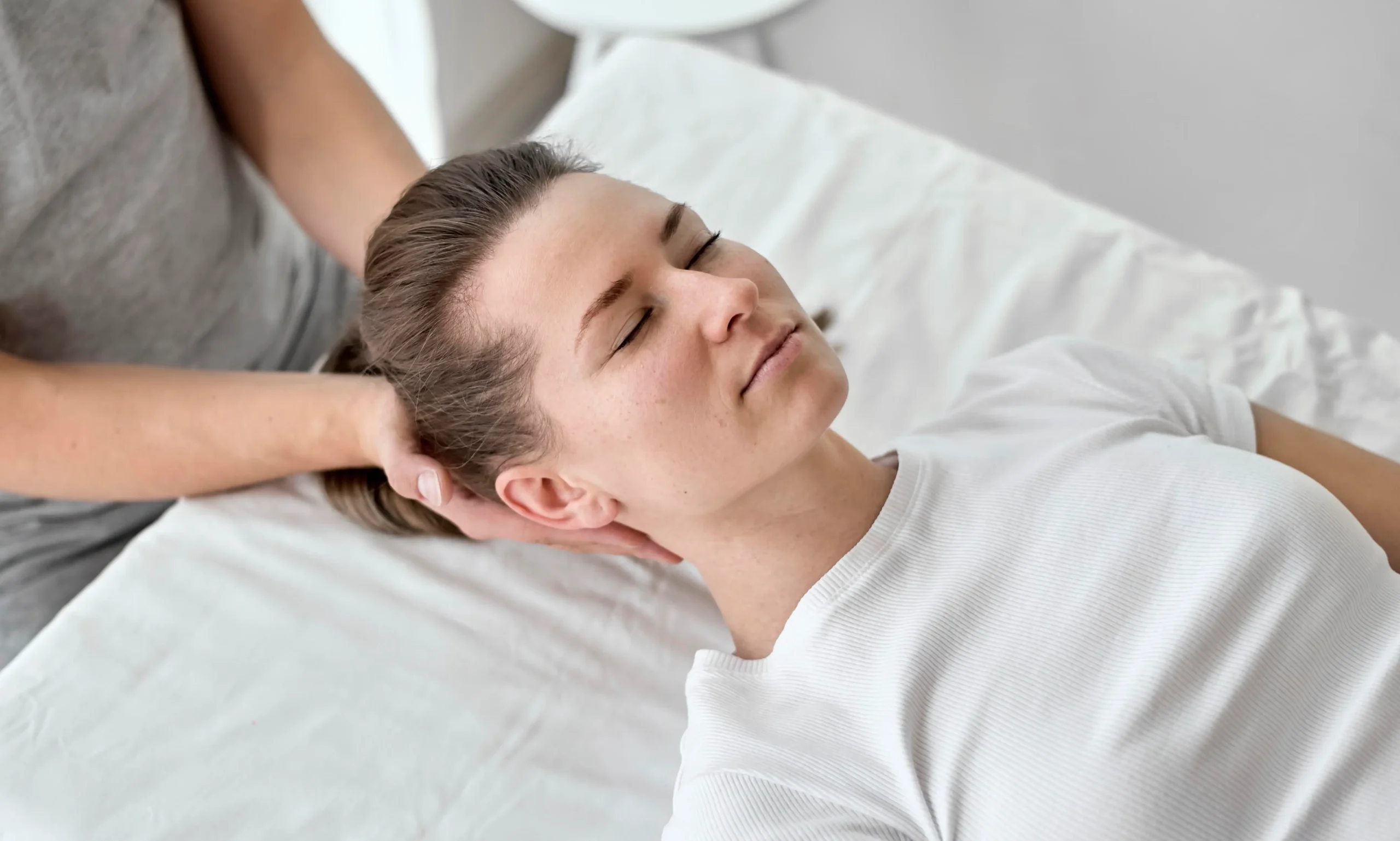
Manual Therapy and Jaw Mobilization
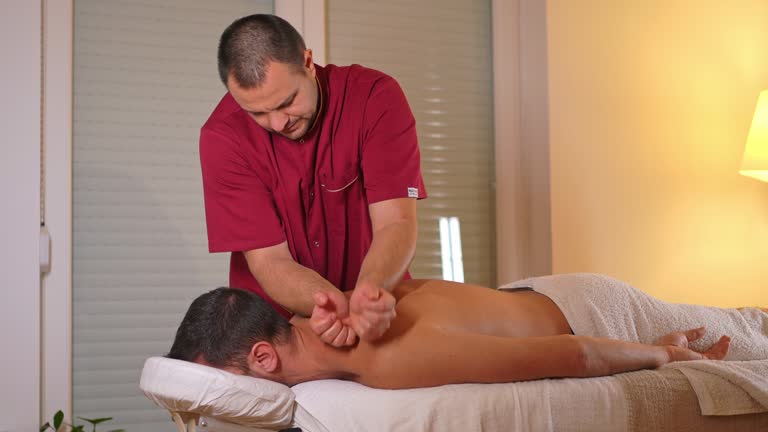
Gentle hands-on techniques may be used to address certain movement restrictions and improve jaw mobility when clinically appropriate. Treatment may also target related areas of the neck and surrounding tissues when these structures contribute to your symptoms.
Soft Tissue Techniques
Targeted soft tissue treatment may help manage tenderness and tightness in the muscles around the jaw, temples, and neck. These techniques are selected according to your symptoms and tolerance.
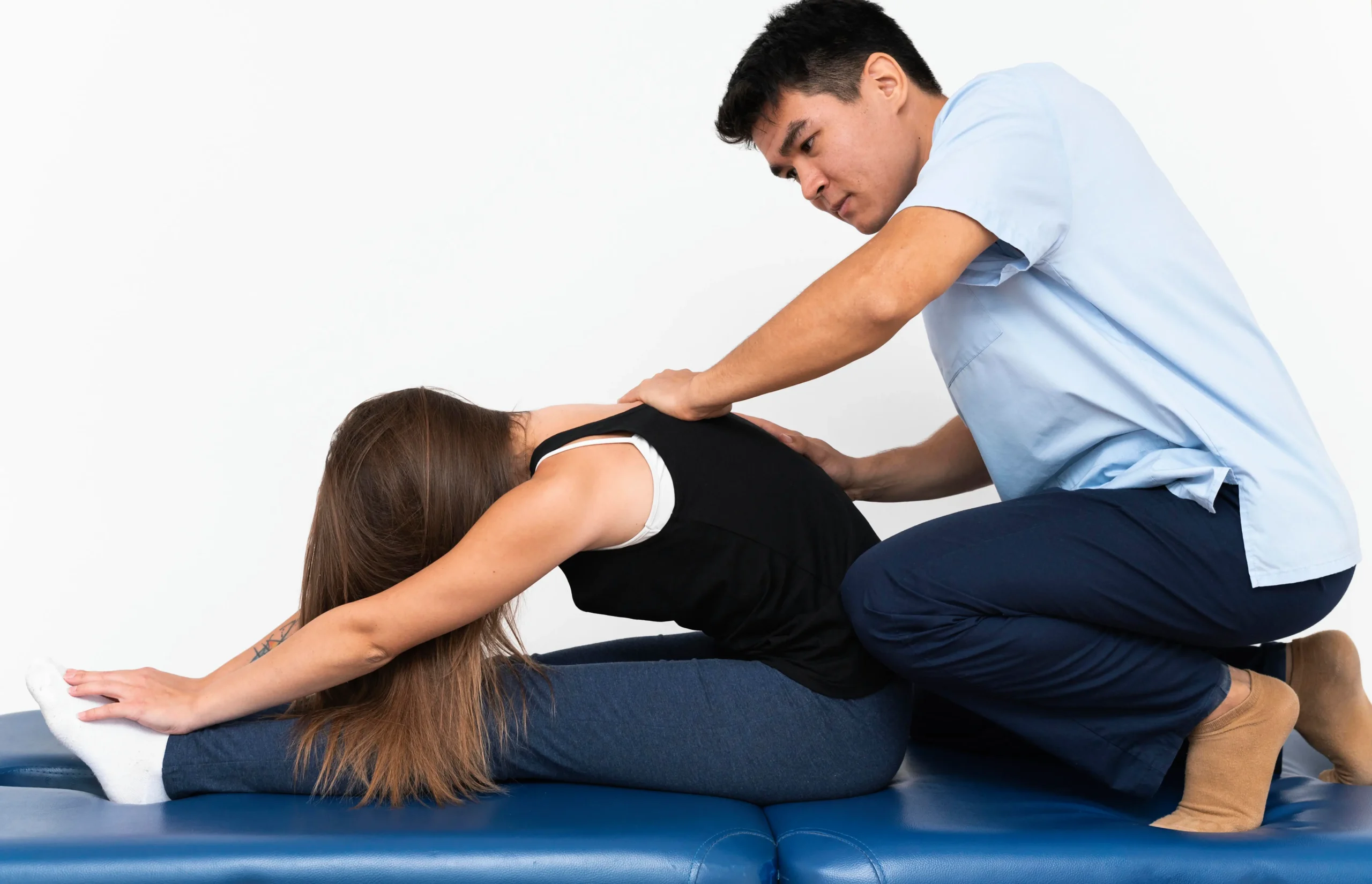
Therapeutic Exercises
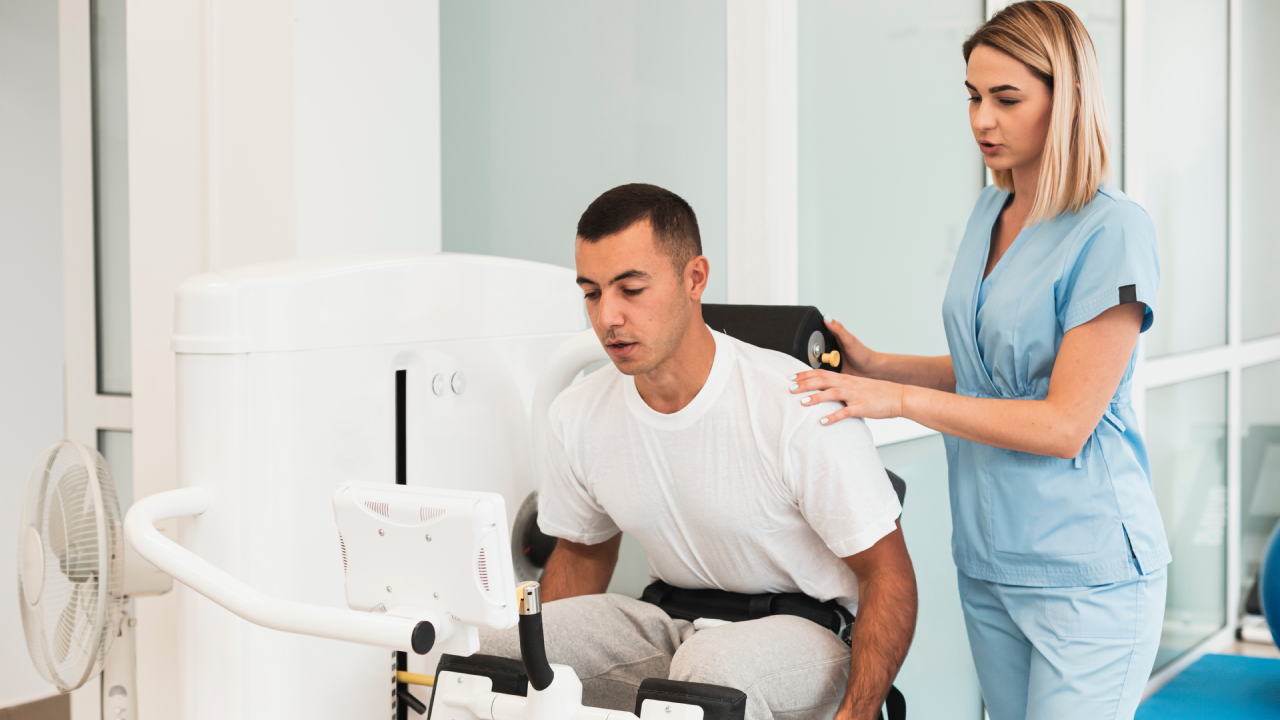
Specific exercises may be recommended to improve controlled jaw movement, coordination, and mobility. Your physiotherapist can demonstrate appropriate techniques and adjust them according to your progress.
Stretching and Muscle Relaxation
Gentle stretching and relaxation strategies may help address muscle tightness when indicated. Learning to recognize unnecessary jaw clenching can also help reduce aggravating habits.
Postural Education
Your physiotherapist may provide guidance on head and neck positioning, workstation setup, and movement habits that may contribute to discomfort. These recommendations are intended to complement your overall treatment plan rather than replace other necessary care.
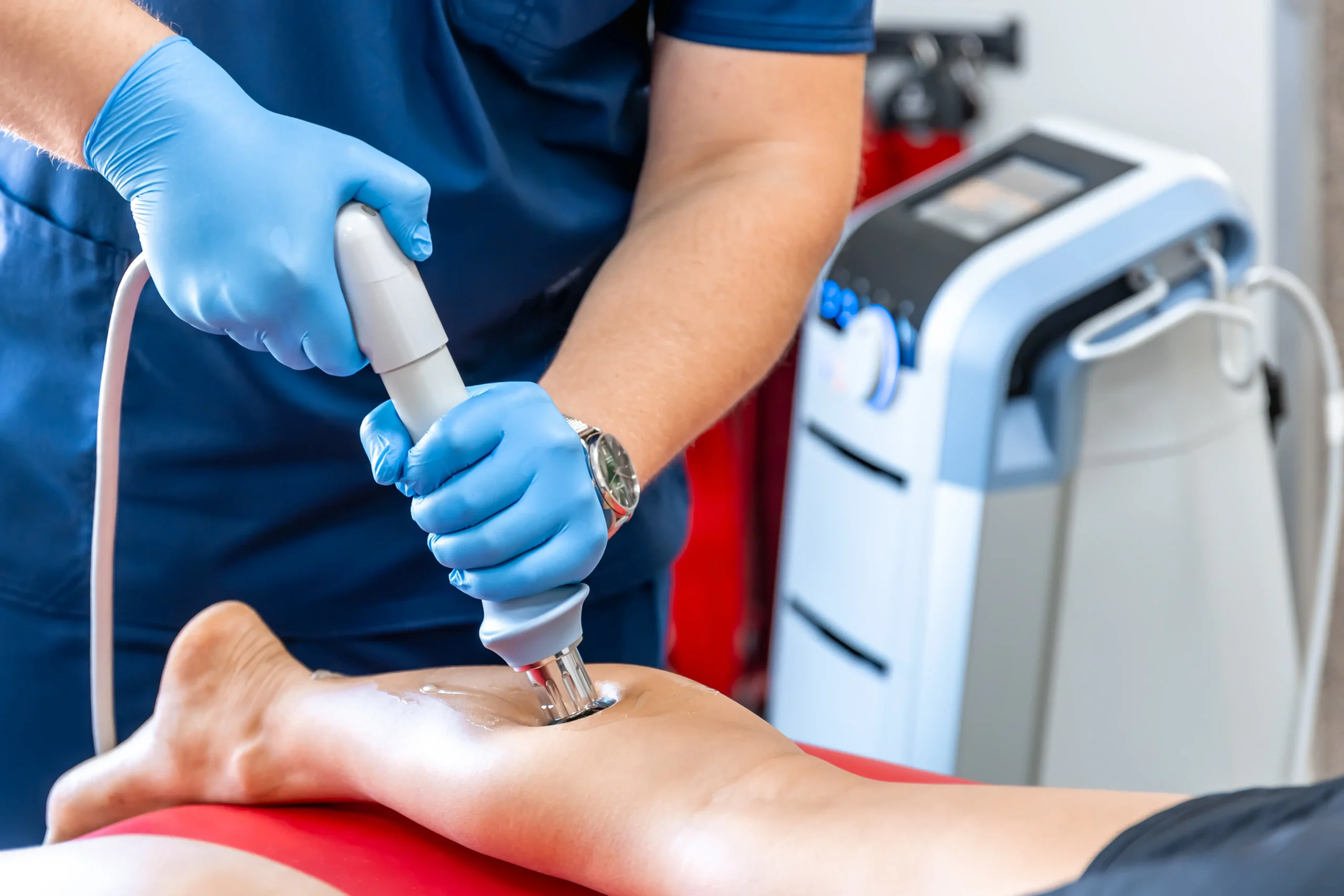
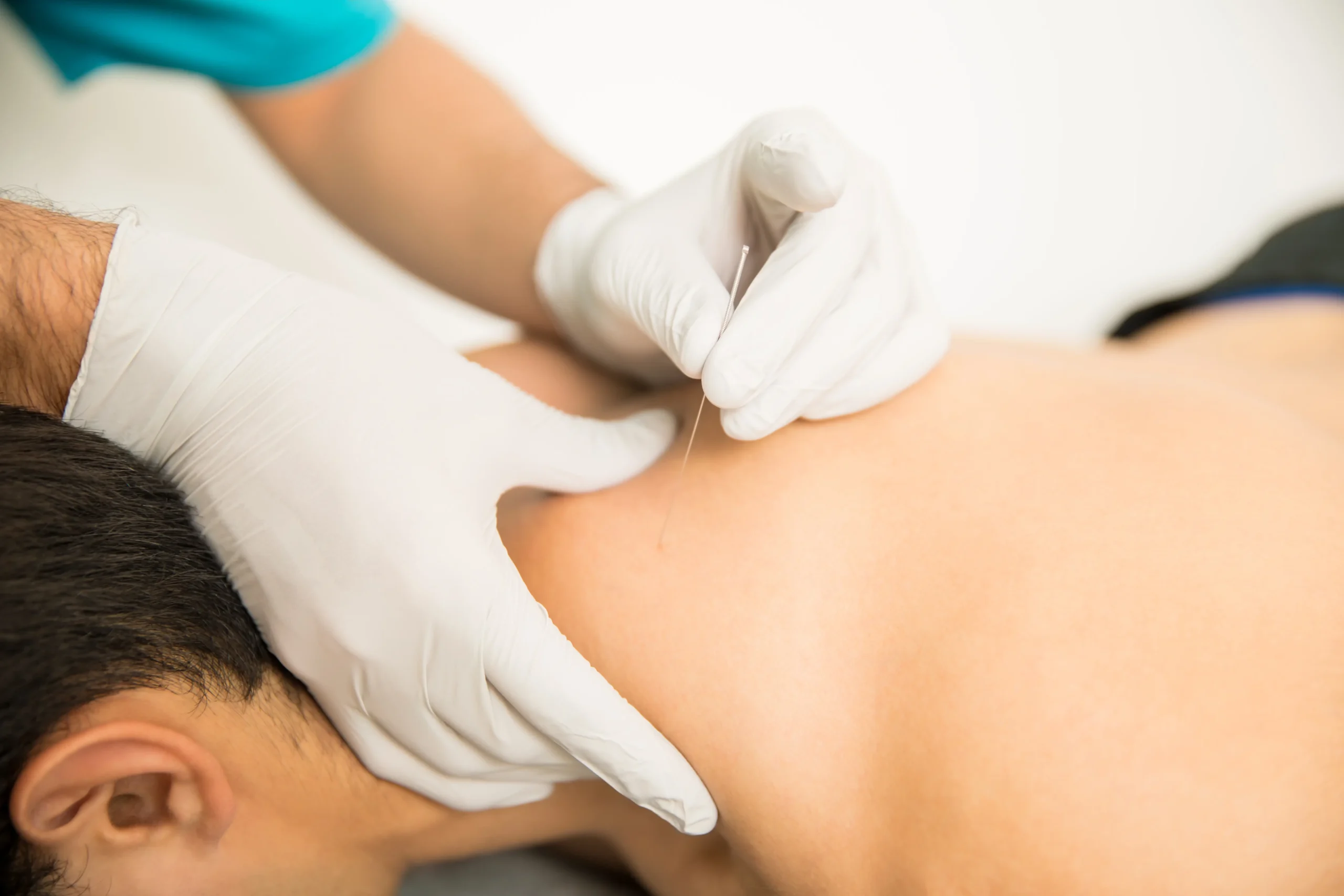
Additional Symptom Management Techniques
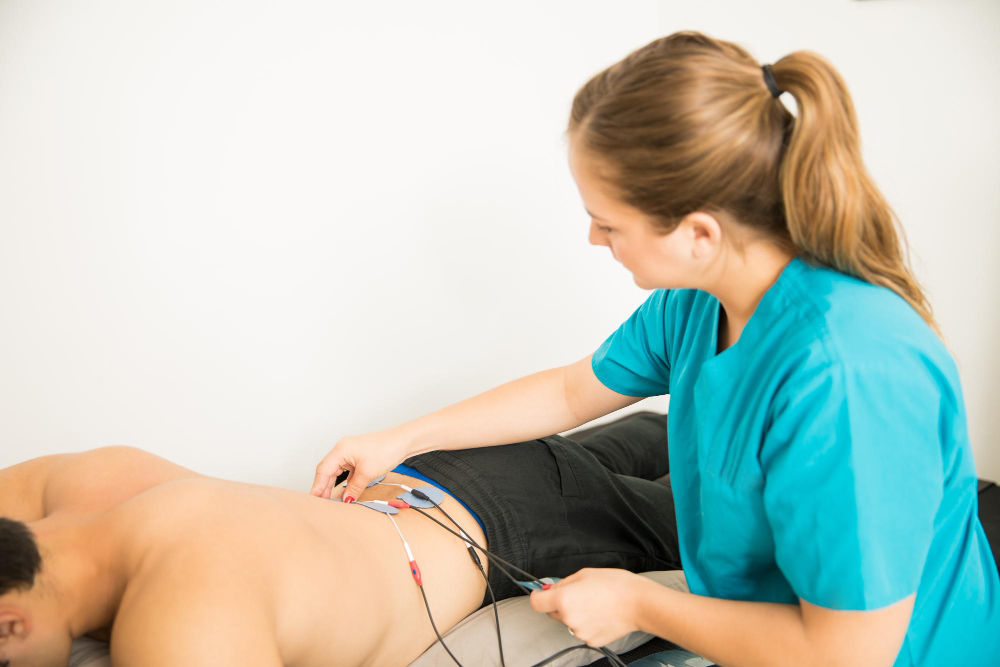
Depending on your condition, treatment may include selected physical therapy modalities, such as ultrasound, when considered appropriate. These techniques are used as part of an individualized plan rather than as a standalone solution.
Your physiotherapist may also recommend home exercises and practical strategies to support progress between appointments. Treatment is adjusted according to your response, comfort, and functional goals.
How Posture Can Affect Jaw Comfort
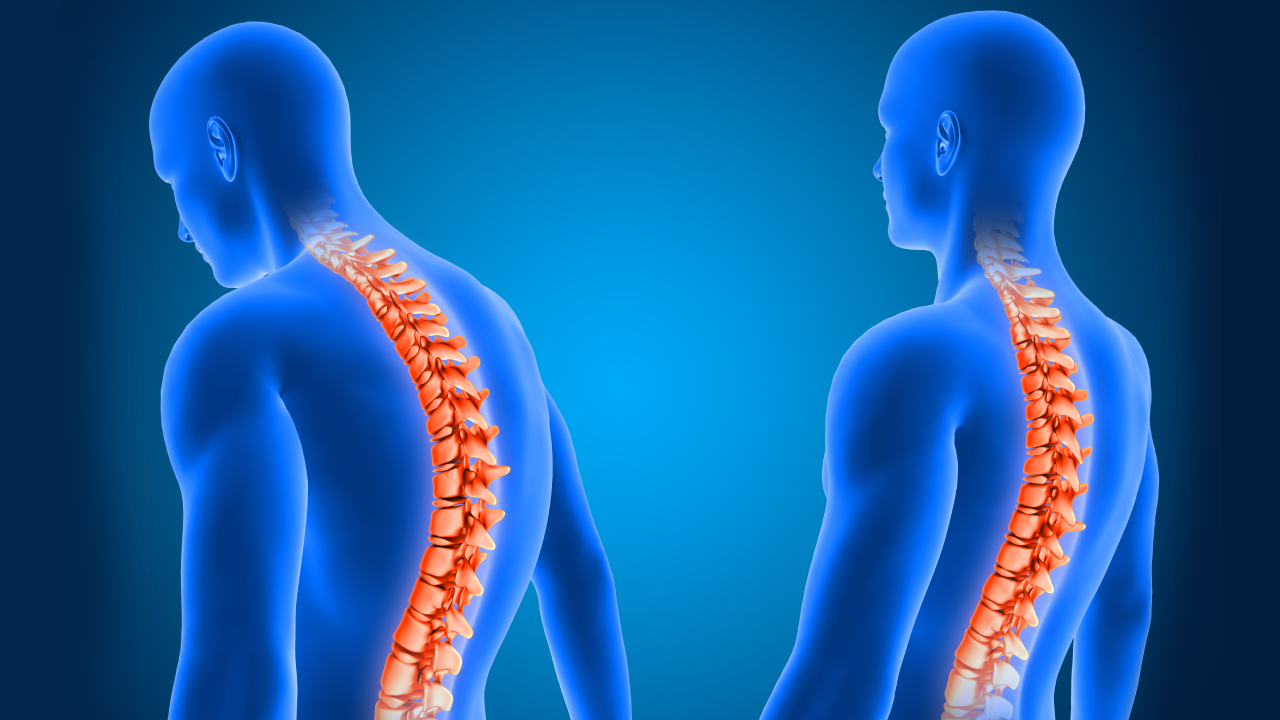
Your head, neck, shoulders, and jaw work together during many everyday activities. Prolonged computer use, forward head positioning, rounded shoulders, and sustained working positions may contribute to increased tension around the neck and upper body.
For some people, these factors may coexist with jaw discomfort or make existing symptoms more noticeable. However, posture alone does not explain every TMJ condition.
During your treatment at PhysioNation, your physiotherapist may assess relevant postural habits and recommend practical adjustments to your daily routine. These may include improving workstation ergonomics, taking movement breaks, and becoming more aware of jaw clenching during concentrated activities.
Small, manageable changes may complement your treatment when postural or movement habits are relevant to your symptoms.
TMJ Rehab After a Motor Vehicle Accident
Jaw discomfort can sometimes develop after a motor vehicle accident, particularly when the head, neck, or face has experienced sudden movement or impact. Some individuals report jaw pain alongside whiplash-related symptoms, including neck stiffness, headaches, and muscle tension.
At PhysioNation, your assessment may consider the relationship between your jaw, neck, shoulders, and upper body to better understand your symptoms following an accident.
Depending on your condition, your care plan may include appropriate movement exercises, manual therapy, muscle management techniques, and guidance on everyday activities. Treatment is individualized according to your symptoms and assessment findings.
If you experience severe pain, significant difficulty opening your mouth, a suspected jaw fracture, or a jaw that becomes locked, prompt medical or dental evaluation may be necessary.
Coordinated Care for TMJ Concerns
TMJ problems sometimes require input from multiple healthcare professionals. Depending on your symptoms, care may involve physiotherapy, dental assessment, medical evaluation, or consultation with a provider who specializes in jaw disorders.
PhysioNation can arrange communication with your existing healthcare team when appropriate. This can help ensure that your physiotherapy plan complements other recommendations and addresses your functional needs.
If your symptoms do not improve as expected or suggest another underlying condition, further evaluation may be recommended to help determine the next steps in your care.
Book TMJ Rehab in Calgary at PhysioNation.
Jaw pain, clicking, stiffness, headaches, muscle tension, and difficulty chewing can interfere with your comfort and daily routine. Understanding the factors contributing to these symptoms is an important step toward finding suitable care.
At PhysioNation, we provide individualized physiotherapy based on your jaw function, related muscle and joint concerns, and personal goals. Our team will assess your symptoms, discuss appropriate treatment options, and help you develop a plan suited to your needs.
If you are looking for TMJ rehab in Calgary, book an appointment with PhysioNation to discuss your concerns and explore ways to improve jaw mobility, manage discomfort, and support more comfortable everyday movement.
Address: #622, 1000 Hamptons Drive NW, Calgary, AB T3A 6A7
Phone: +1 403-475-8816