Women’s Health Physiotherapy in Calgary
Women experience many physical changes throughout life, from pregnancy and childbirth to menopause and changes in pelvic floor function. These changes can affect mobility, bladder and bowel control, comfort during daily activities, physical activity, and overall quality of life. At PhysioNation, we provide women’s health physiotherapy in Calgary for individuals experiencing pelvic floor concerns, pregnancy-related discomfort, postpartum changes, and other conditions affecting the muscles, joints, and connective tissues of the pelvis.
Our assessments focus on identifying the source of your symptoms so your physiotherapist can create a structured treatment plan that matches your goals, lifestyle, and stage of life.
What Is Women’s Health Physiotherapy?
Women’s health physiotherapy is a specialty focused on conditions affecting the pelvic floor, abdomen, hips, lower back, and surrounding structures. It helps improve muscle function, coordination, mobility, and stability while addressing symptoms that may interfere with work, exercise, pregnancy, parenting, or everyday activities.
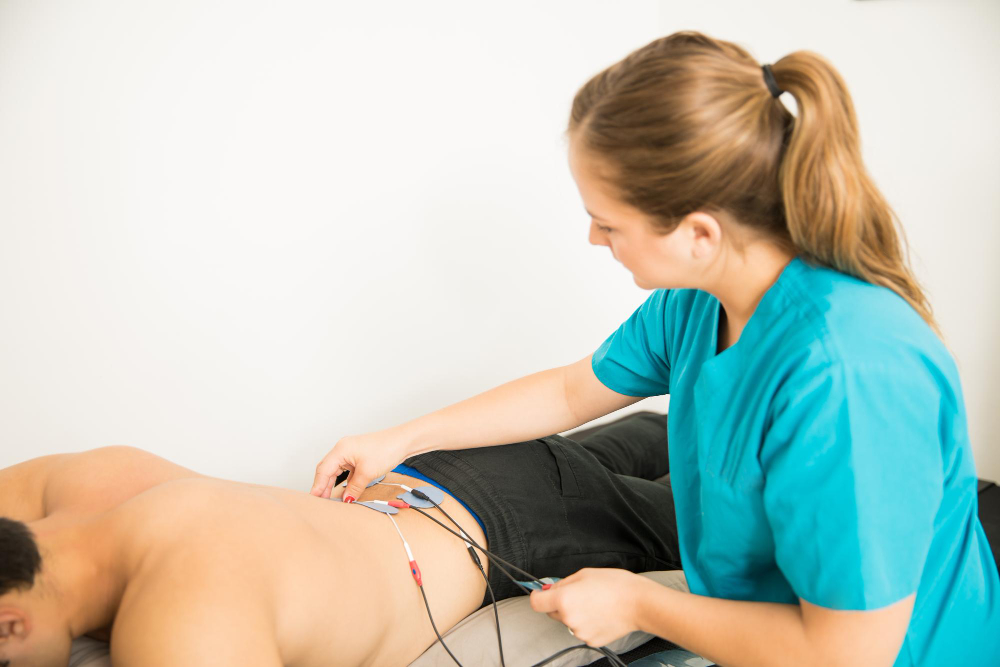
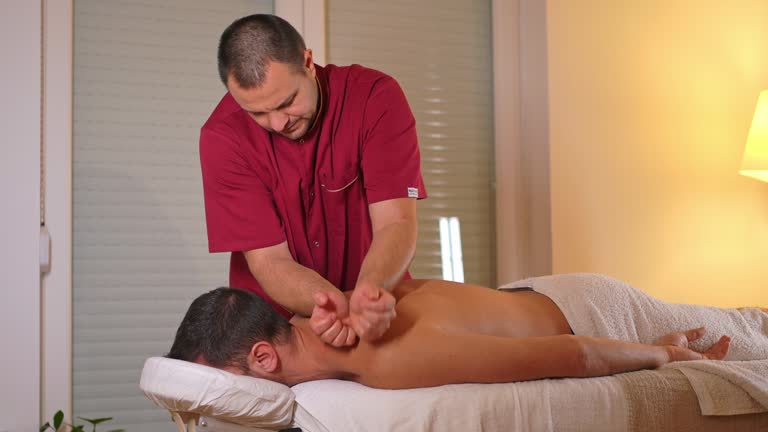
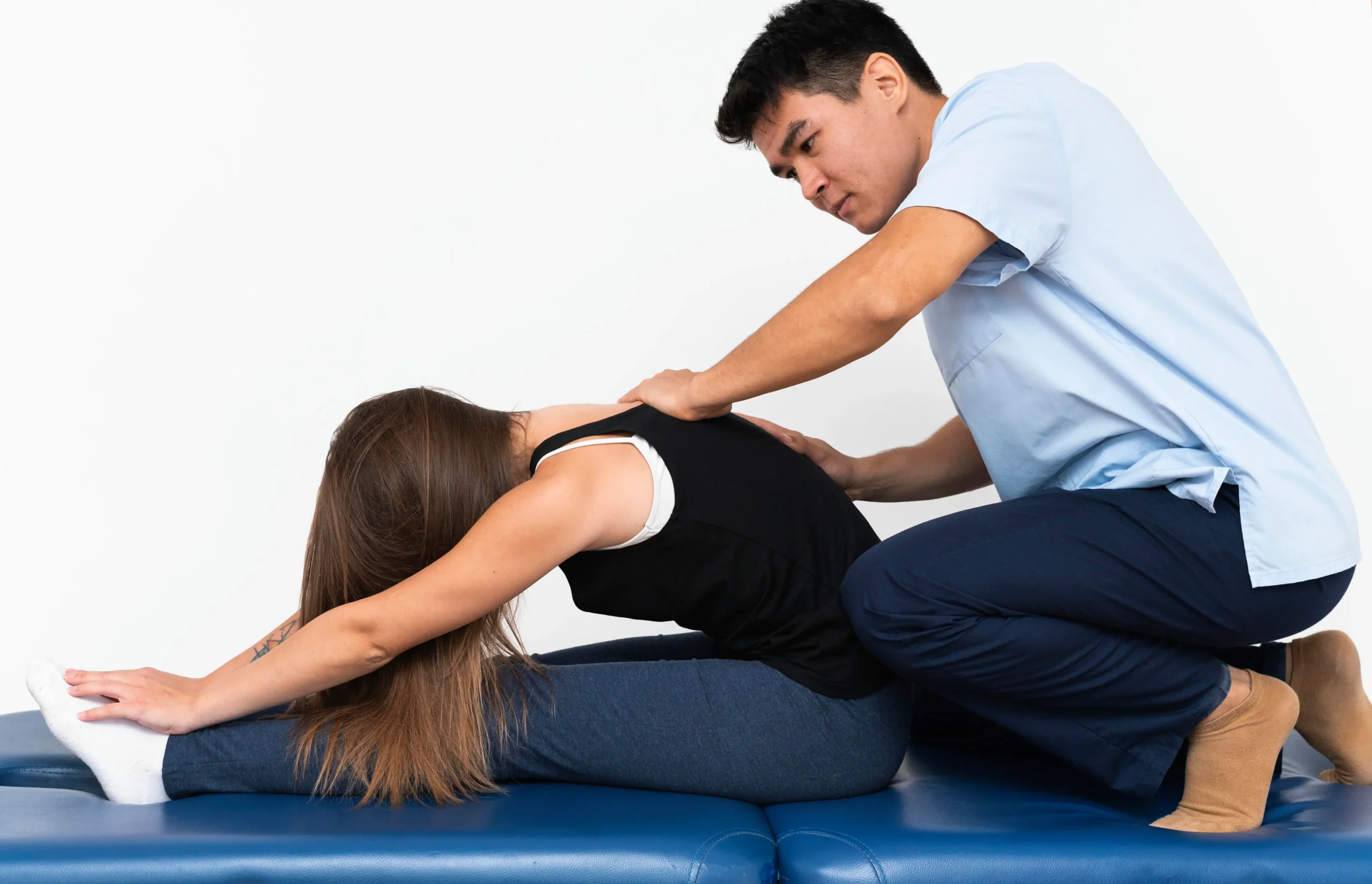
Treatment may include education, movement assessment, pelvic floor muscle training, manual therapy, breathing strategies, posture correction, exercise progression, and lifestyle recommendations when appropriate.
Many women assume symptoms such as urine leakage or pelvic discomfort are simply part of aging or childbirth. In many cases, these concerns can be assessed and managed through physiotherapy.

Who Can Benefit From Women’s Health Physiotherapy?
Women’s health physiotherapy may be suitable for individuals experiencing:
- Pregnancy-related back or pelvic discomfort
- Recovery after vaginal or Cesarean birth
- Urinary incontinence
- Urinary urgency or frequent urination
- Pelvic organ prolapse
- Pelvic pain
- Pain during intimacy
- Diastasis recti
- Persistent abdominal weakness
- Hip or sacroiliac joint discomfort
- Menopause-related pelvic floor changes
- Constipation linked to pelvic floor dysfunction.
- Preparation for childbirth
- Return to physical activity after delivery.
Whether symptoms have recently developed or have been present for years, an assessment can identify contributing factors and determine appropriate treatment options.
Women’s Health Conditions We Treat
Our physiotherapists assess and manage a wide range of conditions affecting women throughout different stages of life.
Pelvic Floor Dysfunction
The pelvic floor muscles support the bladder, bowel, and uterus. Weakness, overactivity, or poor coordination can contribute to bladder leakage, bowel changes, pelvic pressure, and discomfort.
Urinary Incontinence
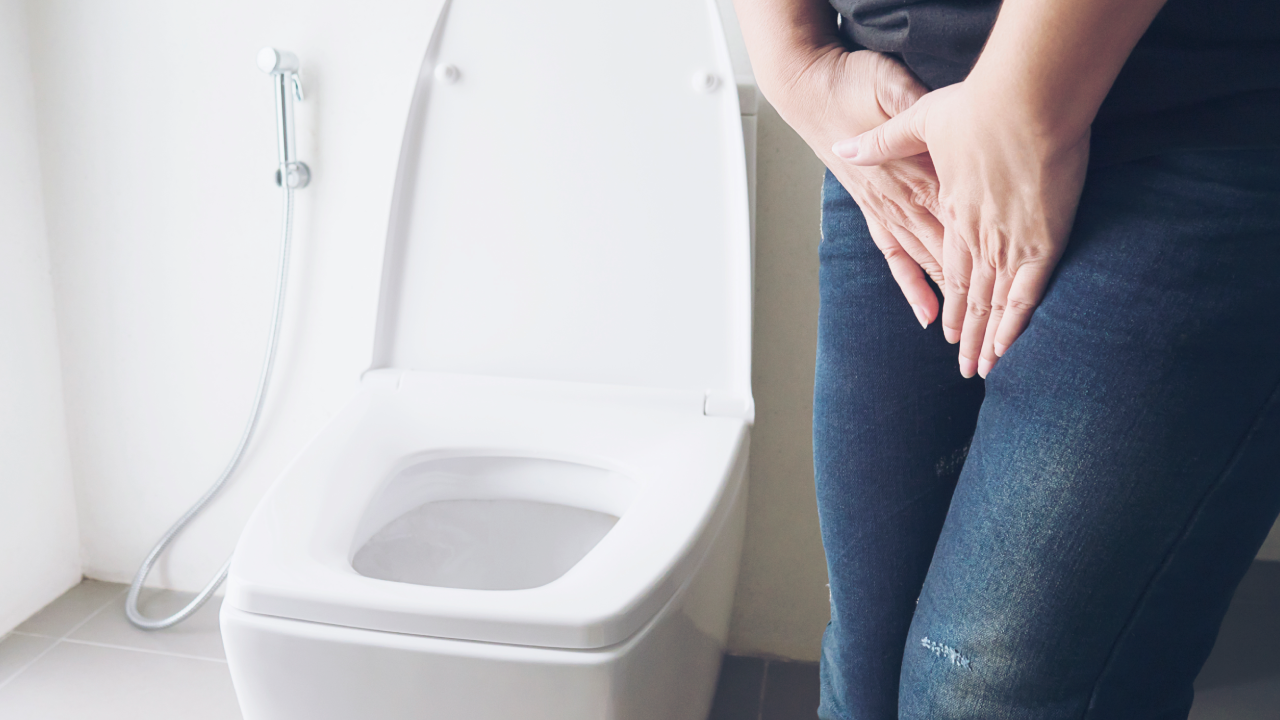
Loss of bladder control during coughing, sneezing, laughing, running, or lifting is common but should not be accepted as something you simply have to live with.
Pelvic Organ Prolapse
A feeling of heaviness, pressure, or bulging in the pelvic region may indicate pelvic organ prolapse. Physiotherapy can improve pelvic floor muscle function and support daily activities.
Pregnancy-Related Pain
Growing changes during pregnancy may place additional stress on the lower back, pelvis, hips, ribs, and abdominal muscles. Physiotherapy can help improve movement and reduce strain throughout pregnancy.
Postpartum Recovery
Following childbirth, many women experience weakness, abdominal separation, pelvic floor changes, or difficulty returning to regular activities. Rehabilitation focuses on restoring strength, movement, and function safely.
Diastasis Recti
Separation of the abdominal muscles can affect trunk stability and post-pregnancy movement. A structured exercise program can help restore abdominal function.
Pelvic Pain
Persistent pelvic discomfort may involve muscles, joints, connective tissues, or nerves. Assessment helps determine contributing factors and appropriate treatment strategies.
Pain During Intimacy
Muscle tension, pelvic floor dysfunction, or previous childbirth may contribute to discomfort during sexual activity. Physiotherapy aims to improve muscle function and movement while reducing sensitivity.
Problems Women’s Health Physiotherapy Addresses
Many women seek physiotherapy when symptoms begin affecting everyday life.
Common concerns include:
- Bladder leakage during exercise
- Frequent urgency to urinate
- Pelvic pressure or heaviness
- Lower back pain during pregnancy
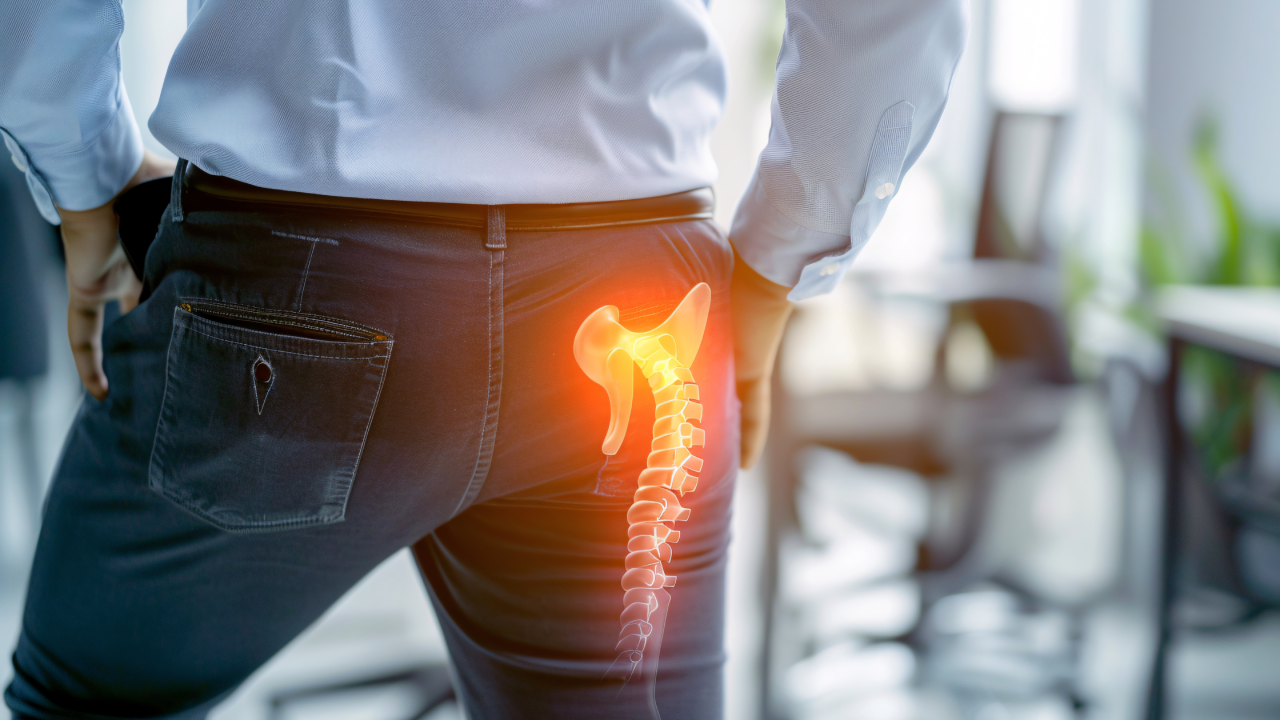
- Hip or pelvic girdle discomfort
- Abdominal separation after childbirth
- Difficulty returning to fitness
- Ongoing pelvic discomfort
- Reduced core stability
- Pain during intimacy
- Constipation linked to pelvic floor muscle dysfunction.
- Reduced confidence during physical activity
What Your Assessment May Include
Every assessment begins with a detailed discussion about your symptoms, health history, daily activities, and goals.
Depending on your condition, your appointment may include:
- Medical and obstetric history review
- Movement assessment
- Posture evaluation
- Hip, pelvis, and lumbar spine assessment
- Core muscle assessment
- Pelvic floor assessment when appropriate and with consent
- Functional movement testing
- Exercise planning
- Education on symptom management
Your physiotherapist will explain each step before proceeding and answer any questions throughout your appointment.
How the Process Works
1. Initial Consultation
Your physiotherapist discusses your symptoms, medical history, pregnancy or postpartum history where applicable, and daily activities.
2. Physical Assessment
Movement, strength, flexibility, posture, pelvic function, and muscle coordination are evaluated to determine contributing factors.
3. Treatment Planning
A structured plan is created based on your findings and functional goals.
4. Physiotherapy Sessions
Treatment may include manual therapy, pelvic floor muscle training, mobility exercises, strengthening, breathing strategies, and movement retraining.
5. Progress Reviews
Your progress is monitored throughout your care plan, allowing exercises and treatment techniques to be adjusted as your function improves.
Benefits of Women’s Health Physiotherapy
Women’s health physiotherapy may help you:
- Improve pelvic floor muscle function.
- Increase core stability
- Improve bladder and bowel control.
- Return to physical activity safely.
- Improve movement during pregnancy.
- Support postpartum recovery
- Increase confidence during everyday activities.
- Improve posture and body mechanics.
- Reduce recurring symptoms
- Support healthy movement through different stages of life.
Who We Serve
PhysioNation provides women’s health physiotherapy in Calgary for:
- Expecting mothers
- New mothers
- Adults with pelvic floor concerns
- Women returning to sport or exercise.
- Individuals experiencing menopause-related pelvic changes
- Office workers
- Active adults
- Older adults
Frequently Asked Questions
Do I need a referral?
No. You can book directly with our clinic.
Is an internal pelvic floor assessment required?
Not always. Your physiotherapist will explain whether one is appropriate for your condition, and it is performed only with your informed consent.
Can physiotherapy help after childbirth?
Yes. Many women attend physiotherapy to address abdominal weakness, pelvic floor function, posture, and returning to everyday activities after delivery.
Is bladder leakage normal after pregnancy?
Although common, bladder leakage is not something you have to simply accept. An assessment can identify contributing factors and appropriate treatment options.
How many appointments will I need?
The number of visits varies depending on your symptoms, goals, and progress.
Service Areas
PhysioNation proudly provides women’s health physiotherapy for individuals throughout Calgary. Whether you are preparing for childbirth, recovering after delivery, or managing pelvic floor concerns, our clinic provides assessment and physiotherapy services to help restore comfortable movement and daily function.
Why Choose PhysioNation?
Our physiotherapists take time to complete a detailed assessment before beginning treatment. Every care plan is based on your symptoms, movement findings, and goals rather than using the same approach for every patient.
We focus on education, active rehabilitation, and measurable progress so you understand your condition and how each stage of care supports your recovery.
Related Services
You may also be interested in:
- Pelvic Floor Physiotherapy
- Pregnancy Physiotherapy
- Postpartum Physiotherapy
- Manual Therapy
- Dry Needling
- Sports Injury Physiotherapy
- Orthopaedic Physiotherapy
- Massage Therapy
Get Started
If pelvic floor concerns, pregnancy-related discomfort, or postpartum changes are affecting your daily routine, the team at PhysioNation is here to help.
Address: CO-OP PLAZA HAMPTONS, 1000 Hamptons Dr NW #622, Calgary, AB T3A 6A7, Canada
Phone: +1 403-475-8816
Contact our Calgary clinic to schedule your assessment, discuss your symptoms, and begin a structured physiotherapy plan to restore movement, strength, and function.