
Why Some Injuries Keep Affecting Your Movement After Symptoms Fade
That ankle sprain happened weeks ago. Why does it still feel different when you use the stairs?
Maybe your back becomes stiff every time you lift something at work. Perhaps your shoulder moves fine until you reach overhead, or your knee starts complaining halfway up a flight of stairs. These situations can seem minor, especially when the original discomfort has settled down.
But an injury does not always stop affecting movement when the first symptoms fade.
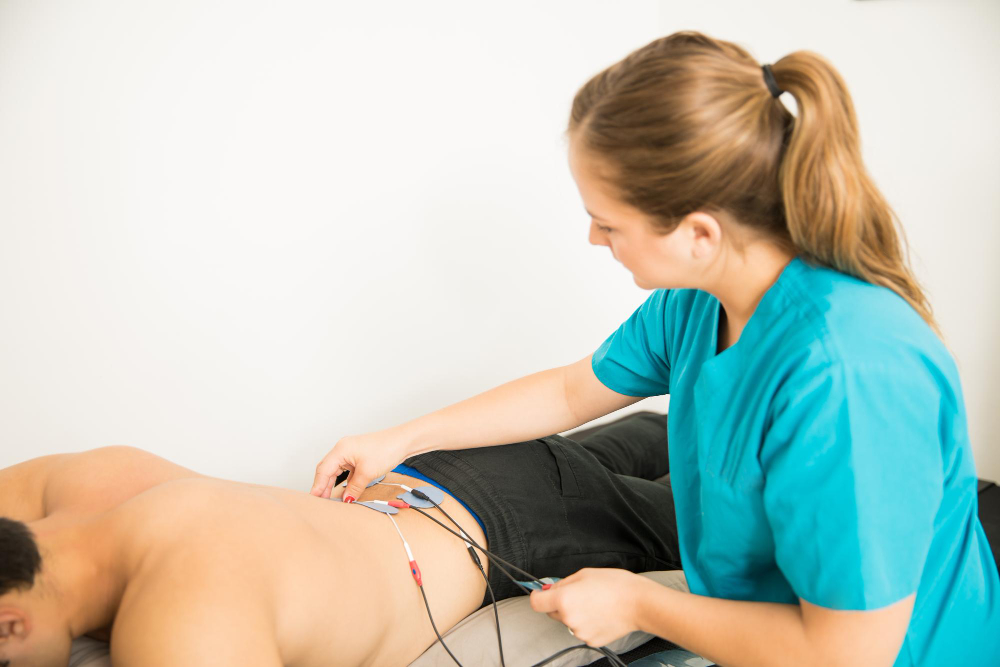
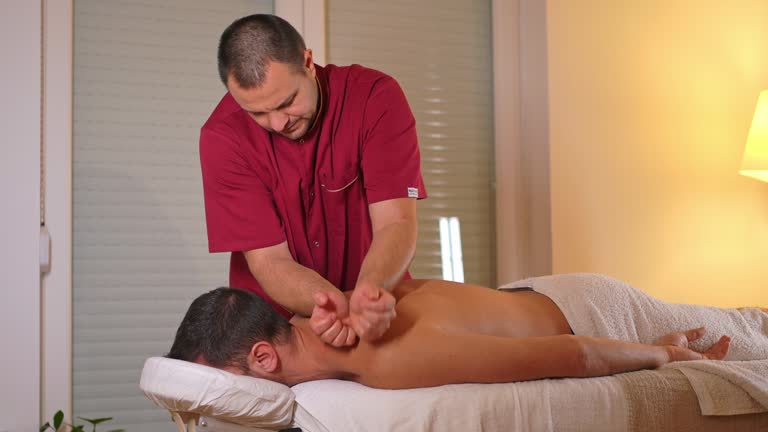
Physiotherapy looks at how an injury affects strength, mobility, movement, and everyday function. For people in Calgary, that may mean addressing problems that interfere with walking, working, exercising, driving, lifting, or returning to recreational activities.
So, what injuries can physiotherapy treat? Here are seven common injury issues that may benefit from an assessment, depending on the individual condition.
What Is Physiotherapy and What Does It Treat?
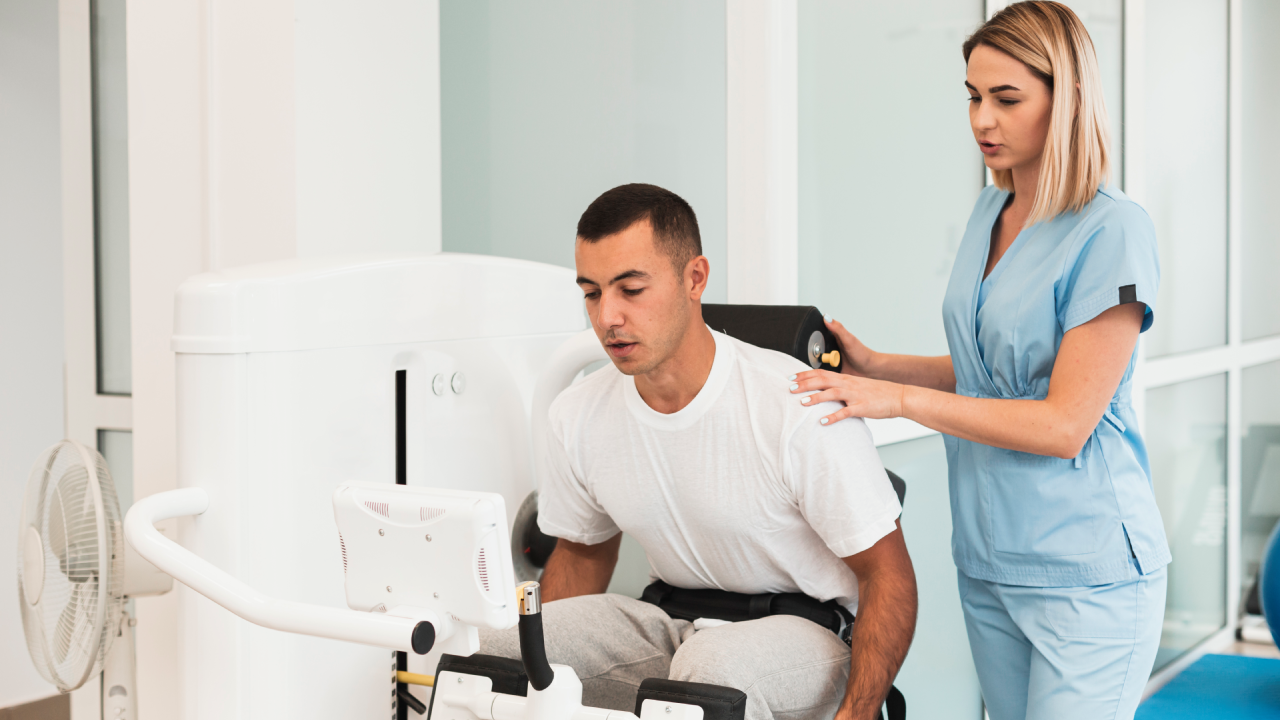
In simple terms, physiotherapy focuses on movement and physical function. A physiotherapist assesses how your body moves and looks at factors such as strength, mobility, balance, coordination, and the way you perform everyday tasks.
Treatment may include:
- Exercise
- Strength work
- Mobility exercises
- Movement training
- Balance activities
- Functional exercises
- Education about activity and movement
- Gradual return-to-activity planning
So, what does physiotherapy treat?
It may be used for a wide range of musculoskeletal and movement-related concerns, including strains, sprains, joint problems, muscle injuries, mobility limitations, and some recurring injuries.
The approach depends on the injury, symptoms, physical findings, daily activities, and goals of the person being assessed. Not every injury requires physiotherapy, and treatment can vary considerably from one person to another.
7 Common Injury Issues Physiotherapy Can Address
An injury can impact much more than just the affected area. A sore ankle may change how you walk. A shoulder problem may make dressing difficult. A back injury may alter how you lift at work.
Here are seven issues where an assessment may be useful.
1. Back and Lower Back Injuries
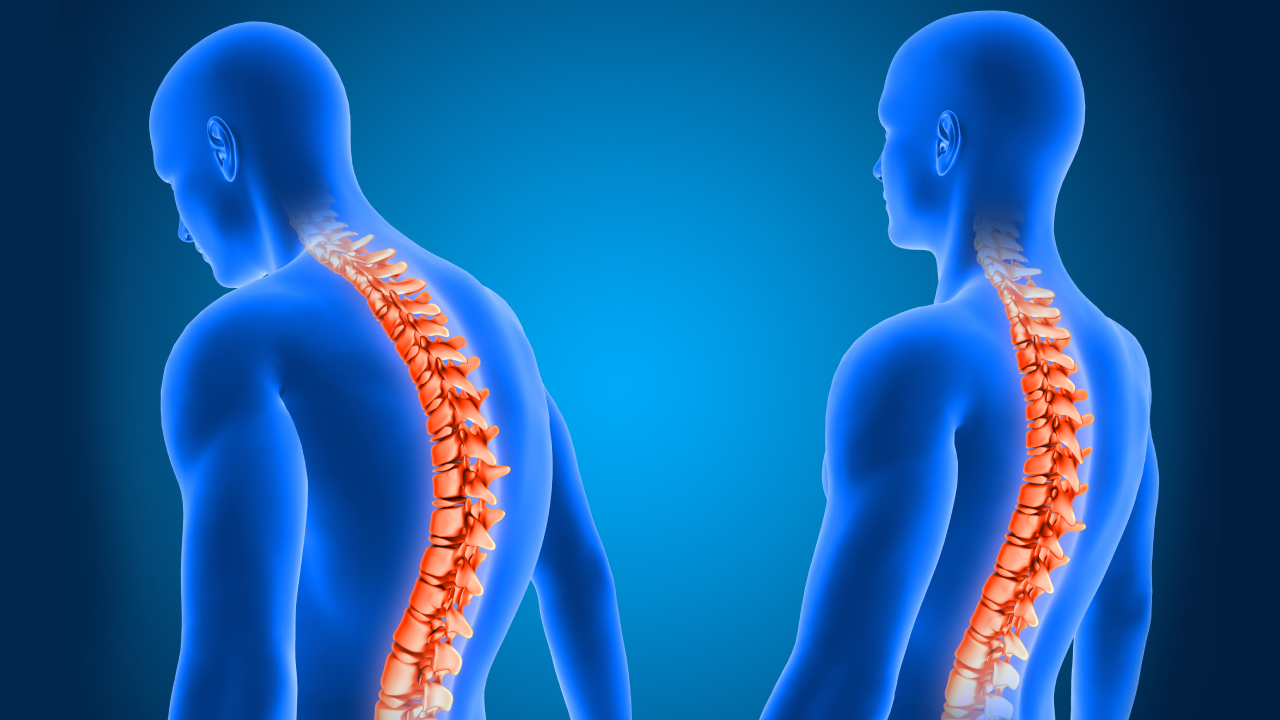
You lift a box, twist while reaching, or spend hours in one position. Then your lower back feels stiff, sore, or difficult to move.
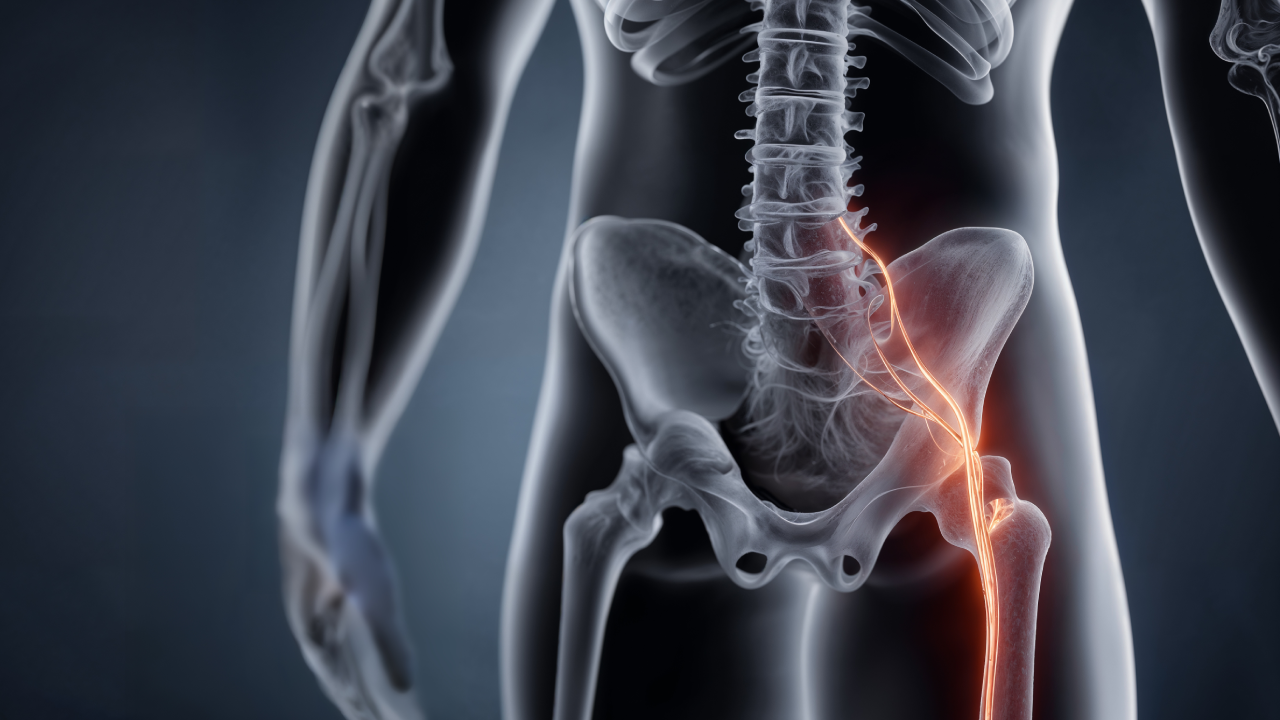
Back injuries can happen during work, exercise, household activities, or everyday movement. Muscle strains and movement-related back problems may also make it harder to return to normal activity.
Physiotherapy for back pain may involve assessing movement, strength, mobility, and the activities that aggravate symptoms. Depending on the findings, exercise may be used to gradually rebuild strength and movement.
The goal is not simply to focus on the painful area. Your physiotherapist may also look at how you bend, lift, walk, sit, or perform other tasks that place demands on your back.
2. Sprains and Strains
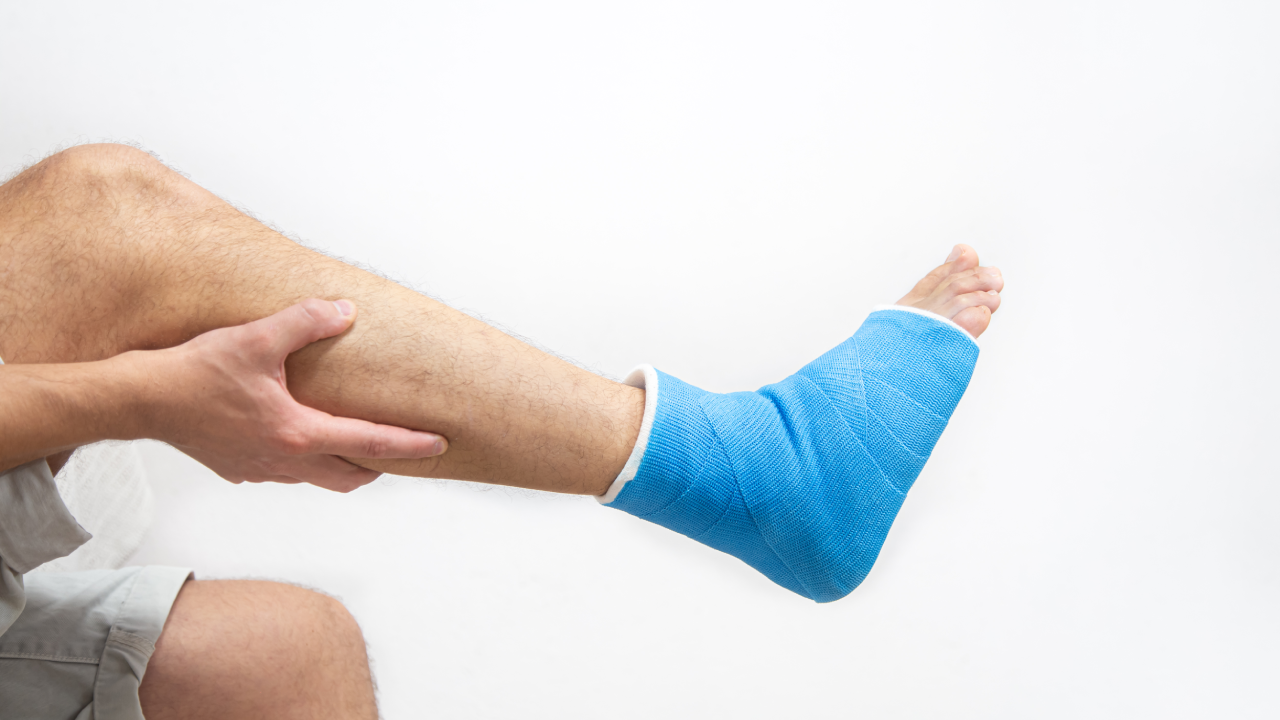
A rolled ankle. A pulled hamstring. A wrist that becomes twisted during a fall.
Sprains and strains are common injuries, but they are not the same thing.
A sprain involves a ligament, which connects bones around a joint. A strain involves a muscle or tendon.
Both can cause discomfort, swelling, weakness, or restricted movement. Even after the initial symptoms settle, the affected area may not immediately feel ready for demanding activity.
For example, someone recovering from an ankle sprain may still notice difficulty with balance, walking on uneven ground, or changing direction.
Physiotherapy treatment may include mobility work, progressive strengthening, balance exercises, and functional movements when appropriate. The exact approach depends on the injury and assessment findings.
3. Sports Injuries
Sports can put significant demands on muscles, joints, tendons, and ligaments.
Running, football, hockey, basketball, gym workouts, and recreational activities can all involve sudden movements, repetitive loading, collisions, or changes in training volume.
Physiotherapy for sports injuries may involve assessing the affected area along with movements related to the person’s sport or activity.
Treatment may include:
- Progressive strengthening
- Mobility exercises
- Balance and coordination work
- Movement retraining
- Sport-related functional exercises
- Gradual return-to-activity planning
A runner, for example, may need to rebuild tolerance to running gradually rather than immediately returning to their previous distance.
The same principle applies to recreational hockey, basketball, gym training, and other activities. Returning to a familiar activity is often a process rather than a single moment.
4. Joint Injuries and Joint Stiffness
What happens when a joint no longer moves the way it used to?
A knee may feel uncomfortable while climbing stairs. A shoulder may become difficult to move overhead. A hip may feel stiff when getting out of a chair. An ankle injury may make walking uncomfortable.
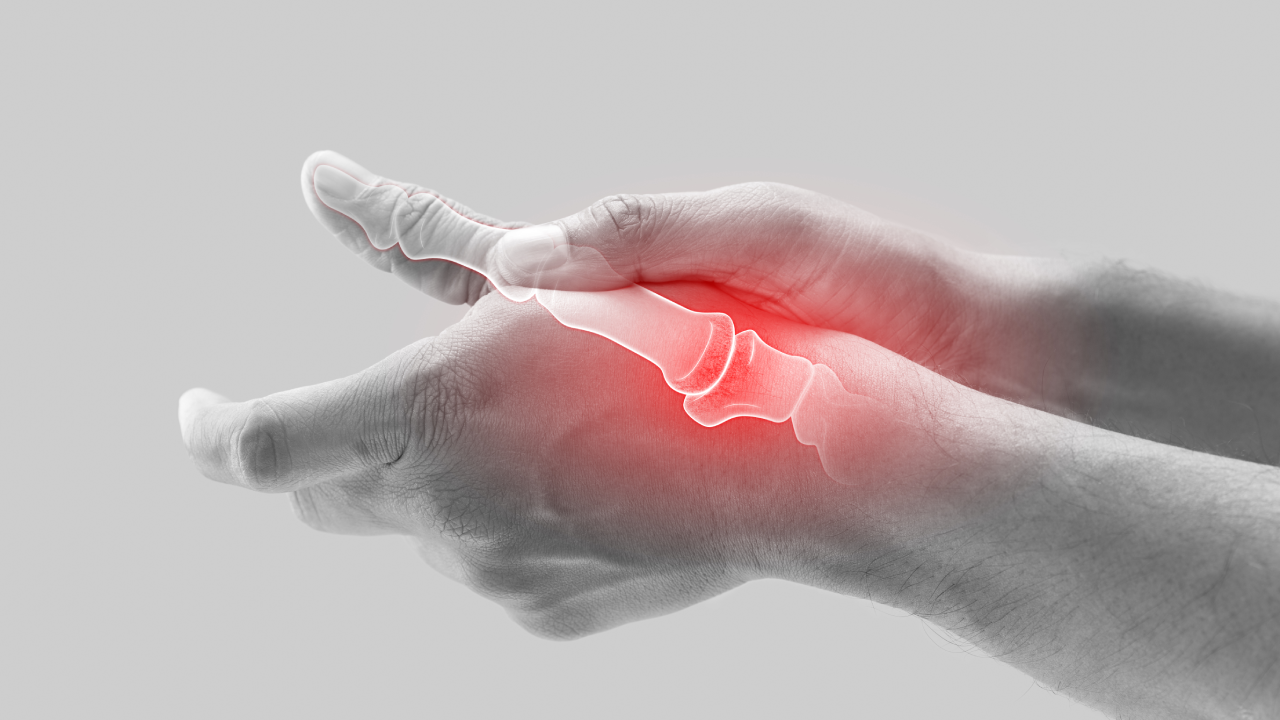
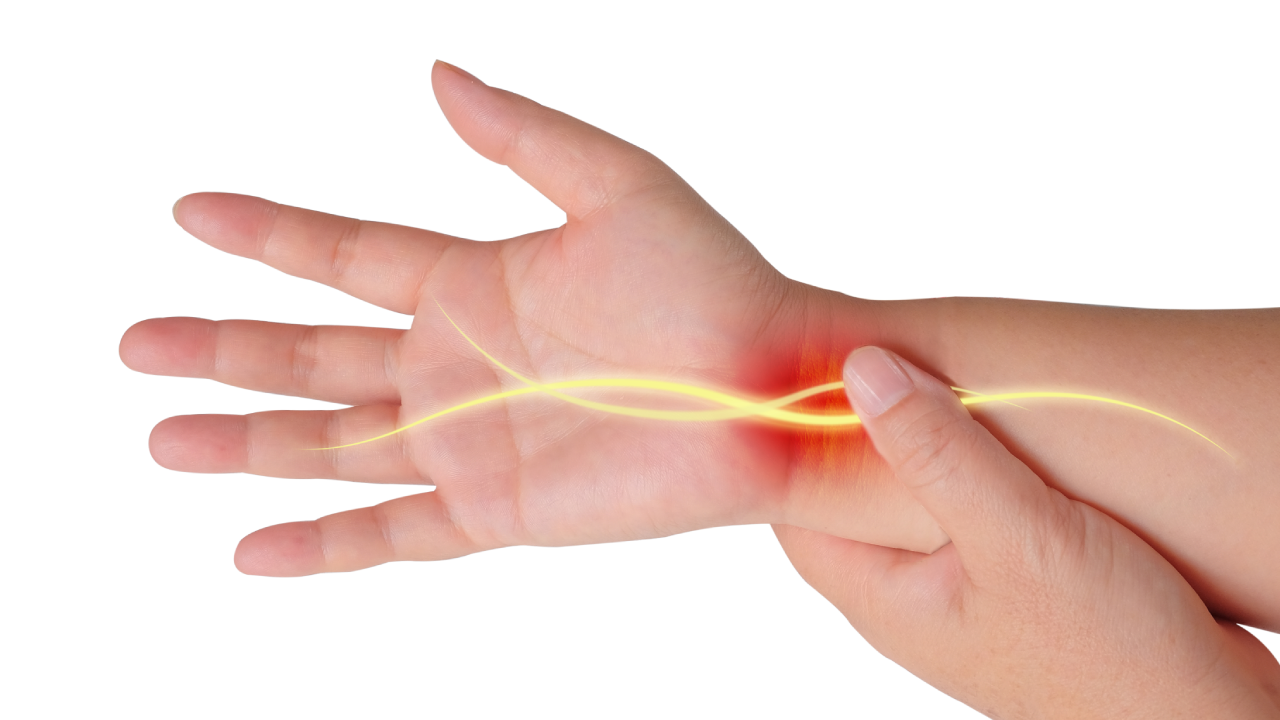
Joint problems can affect the knee, shoulder, hip, elbow, wrist, or ankle.
Physiotherapy for joint pain may focus on identifying movement restrictions, strength deficits, and functional limitations. Exercises may be used to work on mobility and strength when appropriate.
The impact can be surprisingly practical. A joint problem is not just about what happens during an assessment. It can affect reaching for an object, carrying groceries, getting into a vehicle, walking around the neighbourhood, or standing up from a chair.
5. Muscle Injuries and Weakness
Muscles can be strained during sports, exercise, work, lifting, or sudden movements.
But the original injury is only part of the story.
After time away from normal activity, the affected muscle may feel weaker or less capable of handling the workload it previously managed. Tightness or reduced conditioning can also become noticeable.
This is where progressive exercise may become part of the recovery process when appropriate.
Instead of immediately jumping back into heavy lifting, sprinting, or demanding workouts, activity may need to increase gradually. Exercises can be adjusted according to strength, movement quality, symptoms, and the demands of the person’s normal activities.
Returning too quickly can be frustrating. So can avoiding movement for too long. Finding an appropriate level of activity is one reason an assessment can be useful.
6. Mobility Problems After an Injury
Sometimes the biggest clue is not the discomfort. It is the way you move.
You may start taking shorter steps after an ankle injury. Perhaps you avoid bending after hurting your back. Maybe reaching overhead feels awkward after a shoulder injury.
Physiotherapy for mobility problems may address issues such as:
- Reduced range of motion
- Stiffness
- Weakness
- Balance difficulties
- Changes in movement patterns
- Difficulty performing everyday activities
These changes can develop because a person naturally adapts their movement after an injury.
For example, someone with a sore knee might shift their weight onto the other leg when standing up. That doesn’t mean the other leg is hurt, but it can help during an assessment.
Treatment may involve movement practice, strengthening, mobility work, balance exercises, and functional activities based on the individual’s needs.
7. Recurring Injuries
Here is a question worth asking: why does the same injury keep coming back?
A problem that repeatedly appears during running, gym workouts, work tasks, sports, or household activities deserves a closer look.
Recurring symptoms can have different contributing factors. These may include changes in strength, mobility, movement patterns, activity load, or the way someone returns to demanding activities.
That does not mean every recurring injury has one simple cause.
An assessment can help identify movement or activity factors that may be relevant. From there, exercise and activity changes may be considered based on the findings.
The aim is not to assume that physiotherapy will prevent every future injury. Instead, the focus is on identifying factors that may be contributing to the repeated problem.
Why Does an Injury Sometimes Keep Causing Problems?
The original injury may have happened weeks ago. So why does something still feel different?
Several factors may play a role.
You might return to activity before strength has returned. Mobility may remain restricted. You may unconsciously change how you move because the injured area feels uncomfortable.
Other possibilities include:
- Repeated stress on the affected area
- Increasing activity too quickly
- Avoiding movement for too long
- Reduced strength or conditioning
- Changes in movement patterns
- Not gradually rebuilding activity
The important point is that there is no single explanation for every injury.
A persistent problem may need an assessment to determine what is happening rather than relying on assumptions about the original injury.
5 Signs an Injury May Need a Closer Look
Not every ache requires an appointment. But certain changes may be worth discussing with a physiotherapist.
1. Pain or discomfort keeps returning.
Symptoms that repeatedly appear during work, exercise, walking, or other activities may deserve attention, particularly if they are affecting what you can do.
2. Movement remains restricted.
If you still cannot comfortably bend, reach, rotate, walk, or use a joint as you normally would, an assessment may help identify what is limiting movement.
3. Weakness remains after the injury.
An injured area may feel less capable even after the initial symptoms settle. Persistent weakness can affect everyday tasks and physical activity.
4. Normal activities remain difficult.
If an injury continues to interfere with stairs, driving, lifting, work, exercise, or household tasks, it may be worth having the problem assessed.
5. Symptoms repeatedly flare during activity.
If the same problem keeps appearing when you return to sports, workouts, or work tasks, looking at activity load and movement may provide useful information.
What Happens During a Physiotherapy Assessment?
What happens during a physiotherapy assessment?
It usually begins with a conversation.
Your physiotherapist may ask when the injury happened, what symptoms you notice, what activities make the problem worse, and how it affects your daily routine.
The assessment may then include:
- Movement checks
- Strength testing
- Mobility checks
- Balance assessment
- Functional movements
- Questions about work, exercise, and daily activities
The exact assessment depends on the person’s symptoms and condition.
After the assessment, the physiotherapist can discuss the findings and possible treatment options. If exercise is appropriate, recommendations may focus on movements that match the person’s current abilities and activity demands.
How Physiotherapy Treatment Can Support Injury Recovery
Treatment can look different from one person to another.
Depending on the assessment, physiotherapy may include exercise-based treatment, strength training, mobility exercises, balance work, movement retraining, functional exercises, and activity modification.
For someone returning to sport, the focus may gradually shift toward movements that resemble their activity.
For someone dealing with a workplace injury, exercises may relate more closely to lifting, standing, walking, reaching, or other job demands.
Education can also play a role. Knowing how to gradually increase activity can make it easier to make informed decisions about exercise and everyday movement.
Not every patient needs every type of treatment.
Common Mistakes People Make After an Injury
The injury itself may not be the only factor worth considering. What happens after the injury can also influence how someone returns to normal activity.
Ignoring symptoms because they seem minor
A small problem may not interfere with much at first. But if it keeps changing how you move or perform activities, it deserves some attention.
Stopping all activity for too long
Rest can be appropriate in certain situations, particularly early after some injuries. However, prolonged avoidance of movement may contribute to stiffness or reduced conditioning in some cases.
Returning to demanding exercise too quickly
Feeling less discomfort does not necessarily mean the body is ready for the same workload as before the injury.
Copying exercises from the internet
An exercise that suits one person’s condition may not suit another person’s injury. The type, intensity, and timing of exercise matter.
Ignoring recurring symptoms
If symptoms repeatedly return during the same activity, simply pushing through them may not address the factors contributing to the problem.
Focusing only on the painful area
Movement involves more than one body part. An assessment may consider how different areas work together during walking, lifting, reaching, squatting, or other activities.
When Should You See a Physiotherapist?
An assessment may be worth considering if you have persistent symptoms, reduced mobility, weakness, recurring injury symptoms, or difficulty returning to normal activities.
You may also consider an assessment if an injury is affecting:
- Walking
- Work duties
- Exercise
- Sports
- Driving
- Lifting
- Stairs
- Household activities
A physiotherapist can assess movement and determine whether physiotherapy is appropriate for the problem.
Some situations require medical assessment instead. A major injury, severe symptoms, significant swelling, inability to bear weight, or other concerning changes may warrant prompt medical attention. If you are unsure about the seriousness of an injury, seek appropriate medical advice rather than attempting to diagnose it yourself.
Physiotherapy in Calgary for Injury-Related Concerns
Calgary residents can face many different movement demands throughout the week.
Someone may spend the morning commuting, work at a physically demanding job, train at a gym after work, play recreational hockey, or spend a weekend walking outdoors. Others may have repetitive workplace tasks or household responsibilities that place repeated demands on the same areas of the body.
An injury can interfere with any of these routines.
Physiotherapy in Calgary may be relevant for people dealing with movement limitations after sports injuries, workplace injuries, strains, sprains, joint problems, or other musculoskeletal concerns.
The focus should remain on the individual problem, the person’s activities, and the findings from an assessment.
FAQs
What is physiotherapy?
Physiotherapy is a form of physical healthcare focused on movement and function. It may involve assessment, exercise, strength work, mobility exercises, balance training, movement retraining, and education about activity.
What does physiotherapy treat?
Physiotherapy may be used for various musculoskeletal and movement-related concerns, including sprains, strains, muscle injuries, joint problems, mobility limitations, sports injuries, and recurring movement issues.
When should I see a physiotherapist after an injury?
Consider an assessment when symptoms persist, movement remains restricted, weakness continues, normal activities are difficult, or you are having trouble returning to exercise or sports. Urgent medical assessment may be appropriate for a major injury or severe or concerning symptoms.
Can physiotherapy help with an old injury?
An old injury can sometimes continue to affect movement, strength, mobility, or activity. A physiotherapy assessment can look at the current problem and determine whether treatment is appropriate.
How long does physiotherapy treatment take?
There is no single treatment length for every injury. It depends on the condition, symptoms, physical findings, activity demands, and response to treatment. Your physiotherapist can discuss your treatment options after assessing your situation.
Do I need a referral to see a physiotherapist in Calgary?
Referral requirements can vary depending on the circumstances, including insurance or workplace arrangements. If you are unsure, contact the clinic or your insurer before your appointment to confirm what applies to you.
Moving Forward
An injury does not always stop affecting you when the first symptoms settle.
If stiffness, weakness, restricted movement, recurring symptoms, or difficulty with everyday activities continues, an assessment may help clarify what is happening and whether physiotherapy is appropriate.
If an injury is still affecting the way you move, work, exercise, or manage daily activities, call PhysioNation at +1 403-475-8816 or visit our Calgary clinic to arrange an assessment.
We are located at CO-OP PLAZA HAMPTONS, 1000 Hamptons Dr NW #622, Calgary, AB T3A 6A7, Canada.