
Here’s What to Consider First.
You wake up with tight shoulders. Your lower back feels stiff after sitting at a desk. Your legs feel heavy after a long run. Or perhaps the same knot in your neck keeps showing up every few days.
That is often when people start searching for Massage Therapy.
But here is the question many people do not ask before booking: What should you actually know before your first session?
Massage is not simply about finding the sorest spot and pressing on it. The muscles you feel may only be part of what affects your movement, sitting, training, or work.
Before you book a session, there are six things worth knowing.
What Is Massage Therapy?
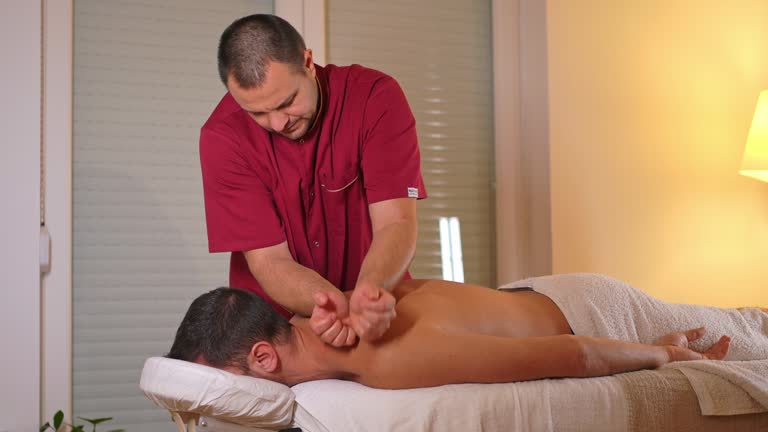
Massage Therapy uses hands-on techniques to work with muscles and other soft tissues. Depending on the reason for treatment, a massage therapist may use different amounts of pressure, movement, and specific techniques across areas of the body.
People may seek massage for muscle tension, tight muscles, post-workout soreness, mobility concerns, or as part of a broader physiotherapy plan.
The approach can vary considerably from one person to another.
A person who spends eight hours at a desk may have different needs from someone who runs several times a week. Someone returning to activity after an injury may also require a different approach.
That is why therapeutic massage is not simply about applying more pressure.
Massage therapy can also sit alongside physiotherapy. Physiotherapy may include movement assessment, exercises, mobility work, strengthening, education, and hands-on treatment. Depending on the situation, soft tissue work can be one part of that wider process.
6 Things You Should Know Before Trying Massage Therapy
1. Massage Is Not Just About the Sore Spot
Here is something easy to overlook: where you feel discomfort is not always the only area worth considering.
Imagine your shoulders feel tight every afternoon. You might assume the shoulders themselves are the entire issue.
But what happens during the rest of your day?
You may spend hours leaning toward a screen. Perhaps your upper back barely changes position. Maybe you repeatedly use the same arm at work. Your exercise routine could also involve movements that place repeated demands on the same muscle groups.
The sore area remains significant, but it may not provide a complete picture.
A massage therapist may work directly around the area of tension while also considering nearby tissues and how you use that part of your body.
This does not mean every tight muscle has a hidden cause. It simply means there can be more to the situation than the location of the sensation.
The goal of a massage session should not automatically be to make the pressure as intense as possible.
Sometimes the more useful question is: Why does this area keep becoming tight in the first place?
2. Your First Massage Session May Involve Questions
You might picture your first appointment as simple: walk in, lie down, and the treatment begins.
Not necessarily.
A massage therapist may ask about your daily activities and any issues you’re having.
You may be asked about:
- Current areas of tension
- Your usual activity levels
- Exercise or sports
- Previous injuries
- Work demands
- Repetitive movements
- Recent changes in physical activity
- What you would like addressed during the session
These questions are not just small talk.
They can help the therapist decide which areas may be relevant and what type of massage techniques may be appropriate.
For example, telling your therapist that you recently increased your running distance provides different context from saying you have been sitting at a desk for eight hours a day.
The same goes for previous injuries.
An old injury may no longer bother you, but it is still useful information to mention before treatment.
And do not worry about having the perfect description.
You can simply explain what you notice, when it happens, and what activities seem to affect it.
3. Different Massage Techniques Have Different Purposes
“Massage” can sound like one single type of treatment.
It is not.
Different massage techniques can vary in pressure, movement, pace, and the tissues being addressed.
A session may include soft tissue massage, muscle-focused work, or techniques that are used alongside mobility exercises and other physiotherapy treatments.
Pressure can also vary.
Some situations may call for lighter hands-on work. Others may involve firmer pressure. The appropriate approach depends on the person, the area being treated, and the reason for the session.
This is one reason the idea that “deeper is always better” can be misleading.
More pressure does not automatically mean a session was more useful.
If pressure feels uncomfortable, sharp, or excessive, say so.
Communication during a massage session matters. You should be able to tell the therapist how the pressure feels and mention anything that changes during treatment.
The objective is not to tolerate the most uncomfortable session possible.
4. Some Soreness After a Session Can Happen
Here is another point that surprises some people: you may notice temporary tenderness or soreness after massage.
This can happen, particularly when tissues have received more hands-on work than they are accustomed to.
That does not mean a session needs to leave you sore to be worthwhile.
In fact, chasing soreness can become an unnecessary goal.
Your therapist should know if pressure feels too uncomfortable during the session. Communication gives them an opportunity to adjust the pressure, technique, positioning, or area being addressed.
It is also useful to pay attention to how your body feels afterward.
If you notice something unusual, significant, persistent, or worsening, it is worth discussing it with an appropriate healthcare professional rather than assuming it is simply a normal response to massage.
There is another practical point here.
Do not judge a massage session solely by how intense it felt.
A session that leaves you struggling to move comfortably afterward is not automatically more useful than one that uses moderate pressure.
5. Massage May Be One Part of a Bigger Plan
What if muscle tension keeps returning?
You book another massage. The area feels different for a while. Then your normal routine starts again.
Long hours at the computer.
The same gym routine.
The same running schedule.
The same lifting pattern.
And eventually, that familiar tightness appears again.
This is where physiotherapy may add another layer.
Massage can address soft tissues through hands-on treatment, while physiotherapy can also include movement assessment, mobility exercises, strengthening, movement retraining, activity changes, and exercise progression.
That combination can be useful when the concern involves more than muscle tension alone.
For example, someone may receive soft tissue work and also be shown exercises that address mobility or strength. Another person may need changes to how they approach an activity.
There is no single plan that applies to everyone.
The key takeaway is that massage can be integrated with other treatments.
6. Recurring Symptoms Deserve More Than Repeated Guesswork
That same tight area keeps returning.
You stretch it.
You massage it.
You ignore it for a few days.
Then it comes back.
Sound familiar?
When symptoms repeatedly interfere with exercise, work, sleep, or everyday movement, it may be worth looking beyond the immediate sensation.
A physiotherapy assessment can look at movement, strength, mobility, activity demands, and other factors that may be relevant to the concern.
Consider speaking with a physiotherapist when symptoms:
- Keep returning
- Affect everyday movement
- Interfere with exercise or sport
- Continue after an injury
- Come with noticeable movement changes
- Persist or become more troublesome
That does not mean recurring muscle tension automatically signals a serious problem.
It means repeated symptoms can provide useful information.
Instead of continually guessing which area needs attention, an assessment can help determine what factors should be considered.
How Does Massage Therapy Work?
Massage Therapy works through hands-on pressure and movement applied to soft tissues such as muscles.
The therapist may use different techniques depending on the area being treated and the reason for the appointment.
The pressure may be light, moderate, or firmer. The therapist may work across a larger region or focus on particular muscles and soft tissues.
Massage can also temporarily change how tight or sensitive an area feels and may make movement feel different immediately afterward. Responses vary from person to person.
This is why treatment should not be viewed as a fixed formula.
Massage may also be used alongside physiotherapy exercises, mobility work, strengthening, and movement-based treatment.
The hands-on portion is only one part of the picture when recurring movement concerns are involved.
What Happens During a Massage Therapy Session?
So what actually happens once you arrive?
Before Treatment
The session may begin with a conversation.
You may discuss the reason you booked, areas of muscle tension, your activity levels, previous injuries, work demands, and anything else that may affect the treatment.
This is also a useful time to mention anything you are unsure about.
If you have concerns about pressure, positioning, a previous injury, or a particular area being treated, say so.
During Treatment
You will generally be positioned so the therapist can work on the relevant area.
The therapist may use different massage techniques depending on what was discussed before treatment.
Pressure should not be something you silently tolerate.
If something feels uncomfortable, tell the therapist. Communication allows adjustments during the session.
You may also notice that the therapist works around an area rather than directly on the exact spot where you feel tension.
That can be intentional.
After Treatment
Once the hands-on portion is finished, you may discuss what you noticed during the session and what you should consider doing afterward.
Depending on the situation, the next steps could involve movement, activity modification, exercises, or other physiotherapy recommendations.
The next steps can vary based on the reason for treatment.
Who May Consider Massage Therapy?
People seek Massage Therapy for many different reasons.
People dealing with the following may consider it:
- Muscle tension
- Tight muscles after exercise
- Stiffness associated with long periods of sitting
- Physical demands at work
- Recreational sports activities
- Running or cycling routines
- Gym training
- Mobility concerns
- Soft tissue concerns following an injury
For someone in NW Calgary, daily routines can vary widely. A desk-based worker, recreational athlete, parent, tradesperson, and weekend cyclist may all place different demands on their bodies.
Massage therapy may be one option to discuss when soft tissue work is relevant to those demands.
However, it is not suitable for every situation.
If symptoms are unusual, worsening, persistent, or affecting normal movement, speaking with a physiotherapist or another appropriate healthcare professional can help determine what should happen next.
Common Mistakes People Make Before or After Massage Therapy
Massage sounds straightforward.
That is precisely why some common mistakes are easy to make.
Assuming More Pressure Is Always Better
Deep pressure is not automatically more useful. Tell your therapist what feels comfortable and speak up if the pressure becomes too much.
Forgetting to Mention an Old Injury
An injury from months or years ago can still be relevant to how your treatment is approached. Mention previous injuries during your initial conversation.
Staying Silent During the Session
You do not have to wait until the session ends to say something. If pressure, positioning, or a technique feels uncomfortable, communicate it.
Treating the Same Problem Without Looking at the Pattern
If the same area repeatedly becomes tight, consider whether work habits, training load, movement, mobility, or strength may also be relevant.
Jumping Straight Back Into Intense Activity
How you feel after a session can vary. If you have received significant hands-on work, consider how your body feels before returning immediately to demanding activity.
Expecting Massage to Address Every Movement Issue
Massage can be useful for soft tissue work, but it may not address every factor involved in recurring movement concerns. Physiotherapy may also include exercise, movement assessment, mobility work, and strengthening.
Ignoring Symptoms That Continue or Worsen
Do not automatically assume persistent or worsening symptoms are simply something you need to “work through.” If a concern continues, discuss it with an appropriate healthcare professional.
Massage Therapy and Active Lifestyles in NW Calgary
For active people, muscle tension can become part of the routine.
You finish a workout and notice tight legs.
You spend Saturday cycling and feel stiff afterward.
You run several times a week and notice that one area keeps feeling restricted.
Or you spend Monday through Friday at a desk and then try to fit exercise into the evening.
Your body responds to what you repeatedly ask it to do.
That does not mean every tight muscle requires treatment. Sometimes normal post-activity soreness settles with time and routine recovery.
However, if tension continues to disrupt movement or training, it may be beneficial to take a broader perspective.
For people in NW Calgary, that may mean considering how gym sessions, running, cycling, recreational sports, work demands, and everyday activities fit together.
Massage can be one component of care when soft tissue work is appropriate. Physiotherapy may add movement assessment and exercise-based strategies when those are relevant.
Massage Therapy vs. Physiotherapy
The two services overlap in some areas, but they are not identical.
Massage Therapy
Massage therapy primarily involves hands-on work directed toward soft tissues. Sessions may focus on muscle tension, pressure, movement of soft tissues, and areas affected by physical activity or daily demands.
Physiotherapy
Physiotherapy can include assessment of movement, strength, mobility, exercise, movement retraining, education, activity modification, and hands-on treatment.
A physiotherapy appointment may therefore involve more than hands-on work.
The two approaches can sometimes be used together.
For example, someone may receive a soft tissue massage during care while also working through mobility exercises or a strengthening program.
The appropriate combination depends on the person’s situation and goals.
FAQs
What is massage therapy?
Massage therapy is a hands-on form of treatment involving pressure and movement applied to muscles and other soft tissues. People may seek it for muscle tension, tightness, activity-related soreness, or as one component of physiotherapy care. The techniques and pressure used can vary depending on the person’s concerns, activity levels, previous injuries, and the areas being treated.
How does massage therapy work?
Massage therapy uses hands-on pressure and movement to work with soft tissues. A therapist may adjust the technique, pressure, and treatment area based on the reason for the appointment. Massage may also be combined with physiotherapy approaches such as mobility exercises, strengthening, and movement work when appropriate.
What happens during a massage therapy session?
A session may begin with questions about your symptoms, activity levels, previous injuries, work demands, and areas of tension. During treatment, the therapist may use different massage techniques and adjust pressure based on your response. Afterward, they may discuss movement, activity, exercises, or other next steps depending on the situation.
How often should you get massage therapy?
There is no single schedule that applies to everyone. Frequency can depend on why you are seeking massage, your activity levels, how your body responds between sessions, and whether massage is being used alongside physiotherapy. Rather than following a fixed schedule, discuss your needs with your therapist and reassess if symptoms continue or change.
Who may consider massage therapy?
People may consider massage therapy when dealing with muscle tension, tight muscles, activity-related soreness, or soft tissue concerns. Desk workers, recreational athletes, runners, cyclists, gym-goers, and people with physically demanding jobs may all seek massage. If symptoms persist, worsen, or affect normal movement, a physiotherapy assessment may also be worth considering.
Should I see a physiotherapist for recurring muscle tension?
If muscle tension repeatedly returns or starts affecting exercise, work, or everyday movement, speaking with a physiotherapist may be useful. A physiotherapist can assess movement, mobility, strength, activity demands, and other factors that may relate to the recurring concern. Massage may still form part of care when soft tissue treatment is appropriate.
Before You Book, Look Beyond the Tight Muscle
A tight shoulder is easy to focus on.
So is a stiff back after sitting all day or a sore leg after exercise. But before booking Massage Therapy, remember that the sore spot may be only one part of the picture.
Your first session may involve questions. Different massage techniques can serve different purposes. More pressure is not automatically more useful. Temporary soreness can occur. And when the same concern continues to return, it may be worth considering movement, strength, mobility, activity, and daily habits as well.
For people in NW Calgary, massage therapy can be discussed as part of a broader approach to physical care when appropriate.
If recurring muscle tension or movement concerns are affecting your daily activities or exercise, you can discuss your situation with the team at PhysioNation.
Located at CO-OP PLAZA HAMPTONS, 1000 Hamptons Dr NW #622, Calgary, AB T3A 6A7, Canada
Call PhysioNation at +1 403-475-8816 to discuss your concerns or book an assessment.