Why Is Early Physiotherapy Important After a Car Accident?
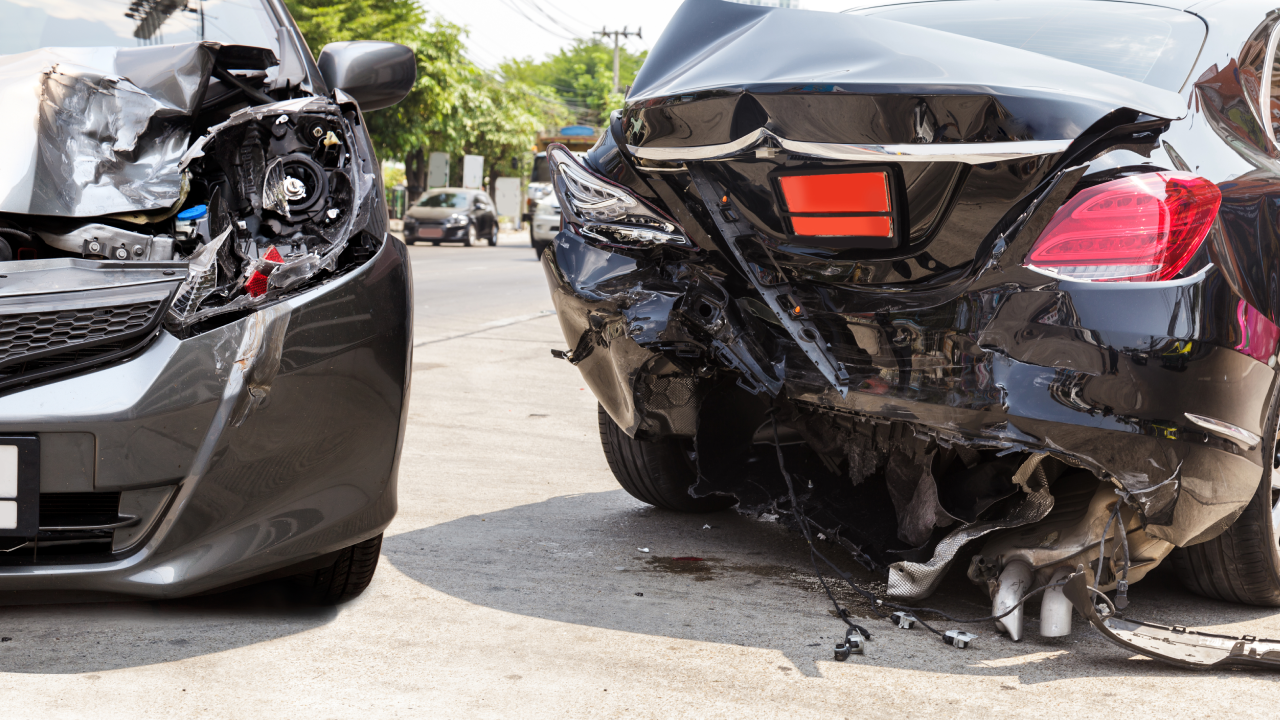
A car accident can affect your body in several ways, even when the vehicle damage appears minor. Sudden impact, rapid movement, and unexpected changes in direction can place stress on muscles, joints, ligaments, and other soft tissues. Some injuries cause immediate discomfort, while others develop gradually over the following hours or days. Neck stiffness, back discomfort, headaches, muscle soreness, swelling, and restricted movement are common concerns following a collision.
For individuals in Calgary, receiving appropriate care after a road accident can play an important role in managing injuries and restoring physical function. Motor Vehicle Accident Physiotherapy focuses on assessing accident-related injuries, addressing movement difficulties, and supporting the body’s recovery process through suitable therapeutic approaches.
At PhysioNation Chiro Massage Acupuncture, individuals can explore physiotherapy services based on their symptoms, injury history, and physical requirements. Early assessment can help identify areas affected by the collision and establish an appropriate care plan.
What Is Motor Vehicle Accident Physiotherapy?
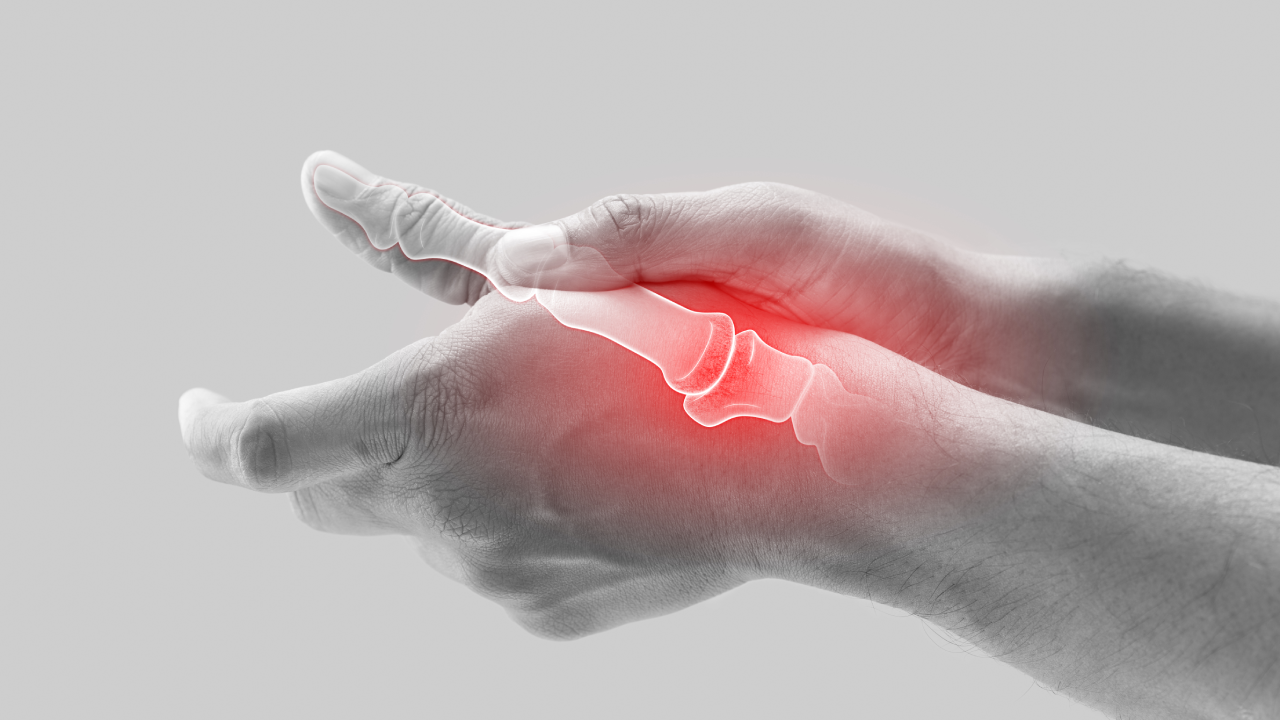
Motor Vehicle Accident Physiotherapy is a form of physiotherapy that addresses physical injuries and movement difficulties following a car, truck, motorcycle, or other road collision. The sudden forces involved in an accident can affect different parts of the body, including the neck, shoulders, back, hips, knees, and arms.
During an accident, the body may move suddenly forward, backward, or sideways. This movement can strain muscles, irritate joints, and place stress on surrounding tissues. Even a low-speed collision may result in symptoms that interfere with everyday activities.
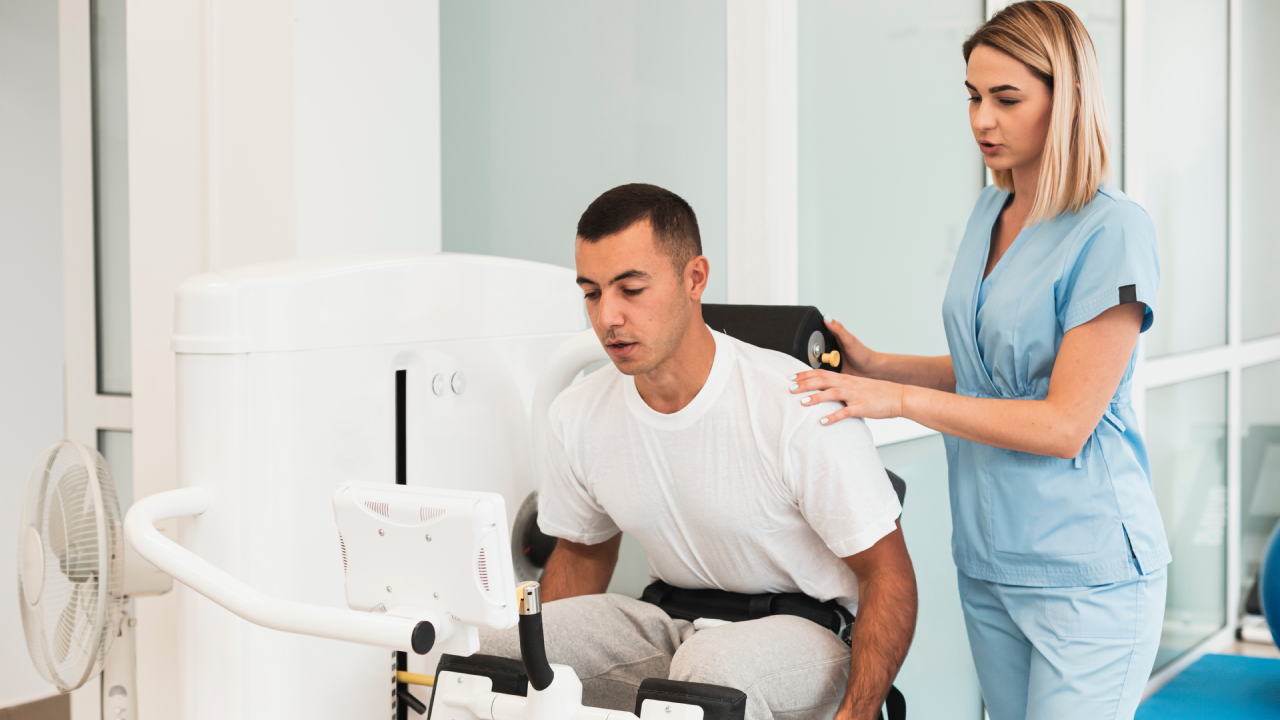
Physiotherapy focuses on assessing these concerns and helping individuals work towards improved mobility, strength, flexibility, and physical function.
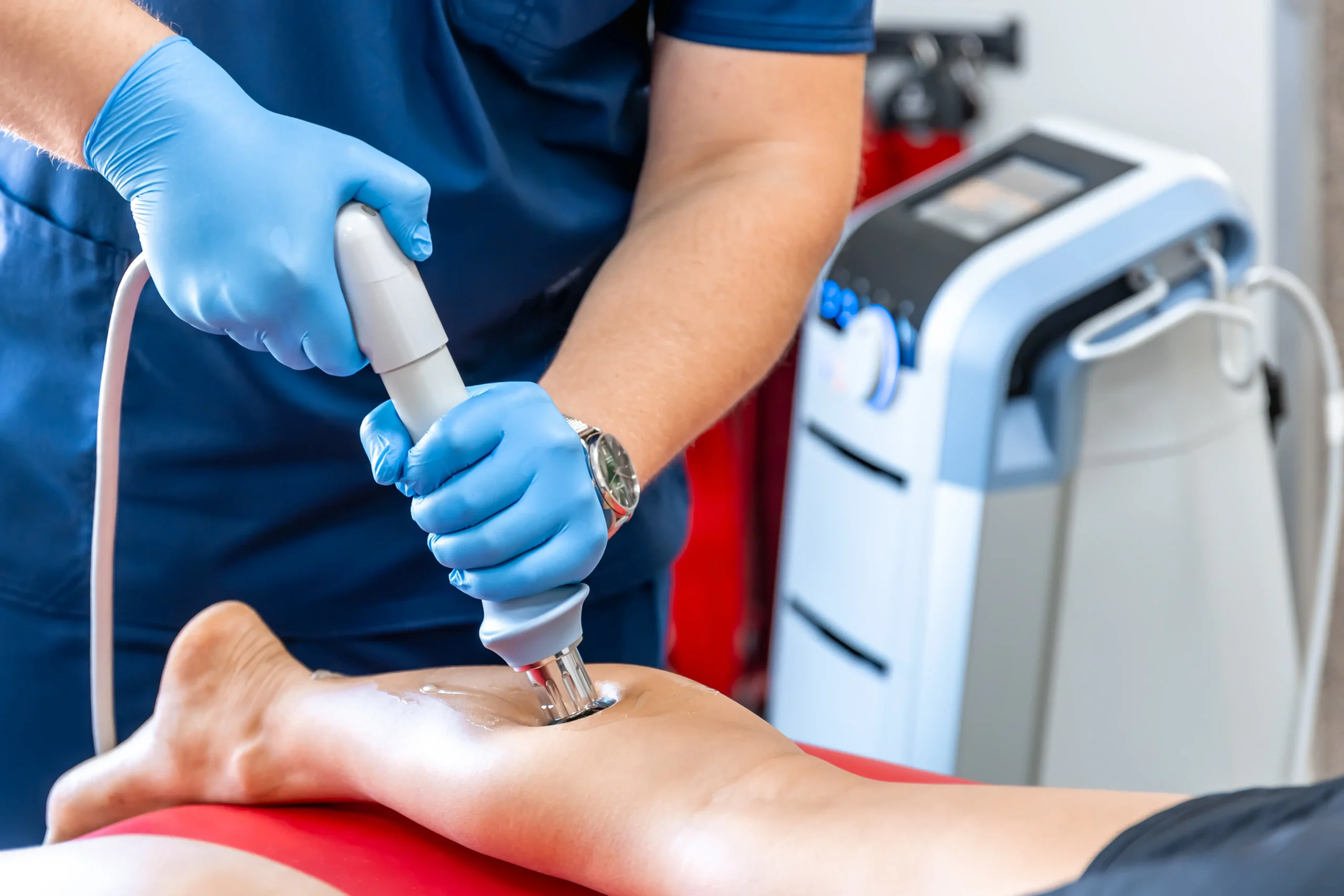
Depending on the assessment findings, treatment may include:
- Therapeutic exercises to address muscle weakness and restricted movement.
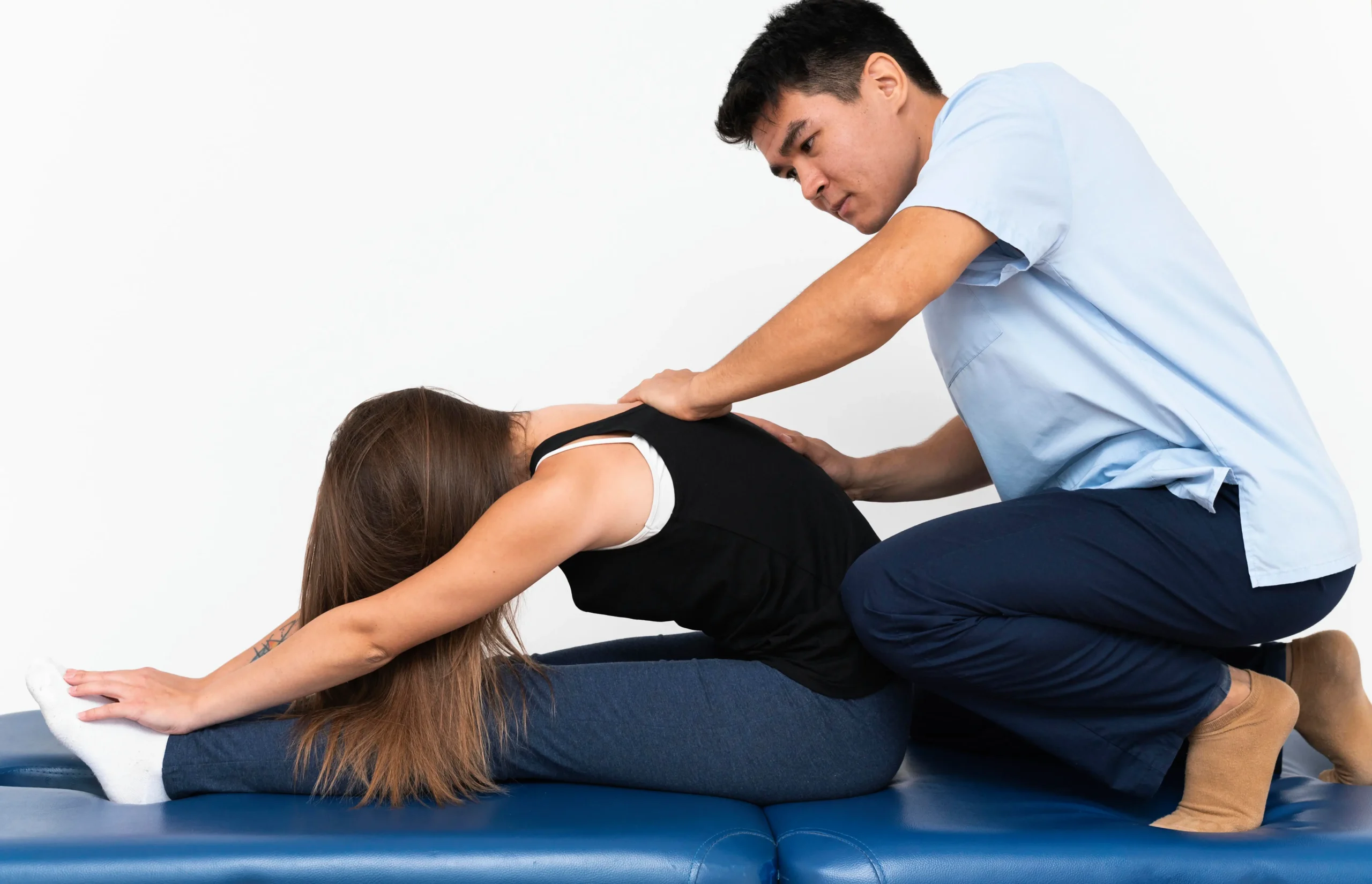
- Gentle stretching to manage stiffness and improve flexibility.
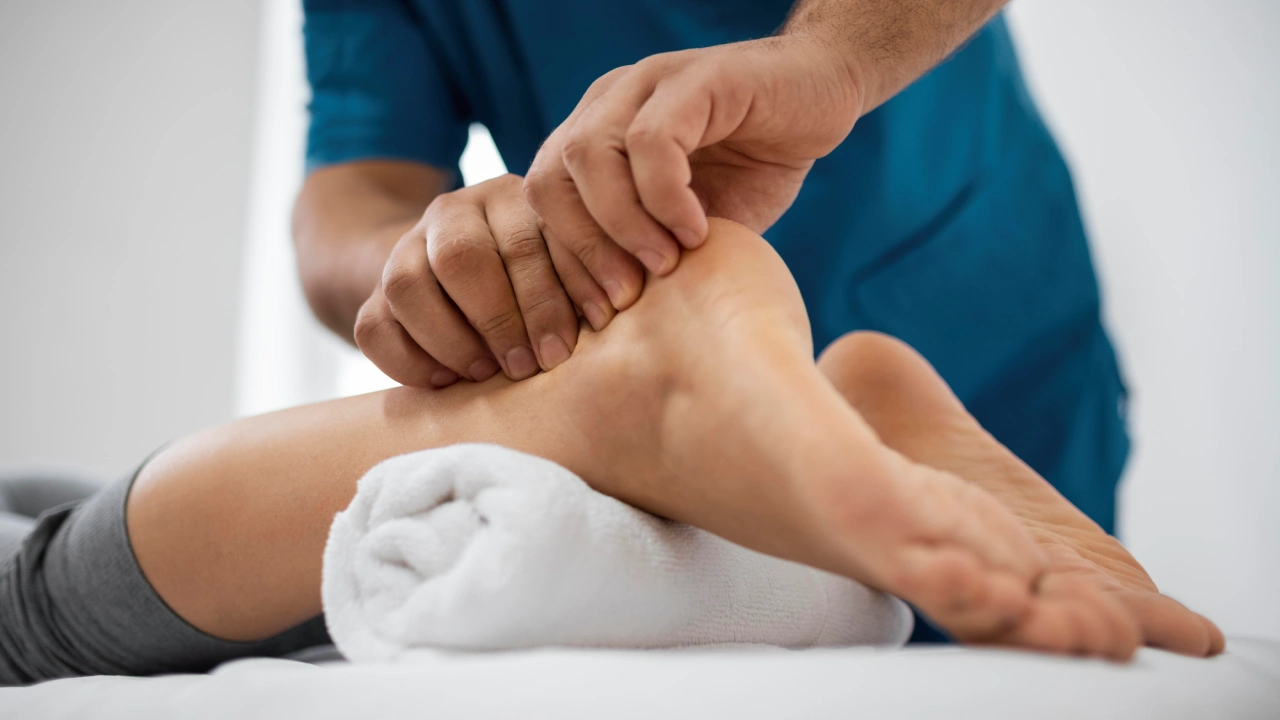
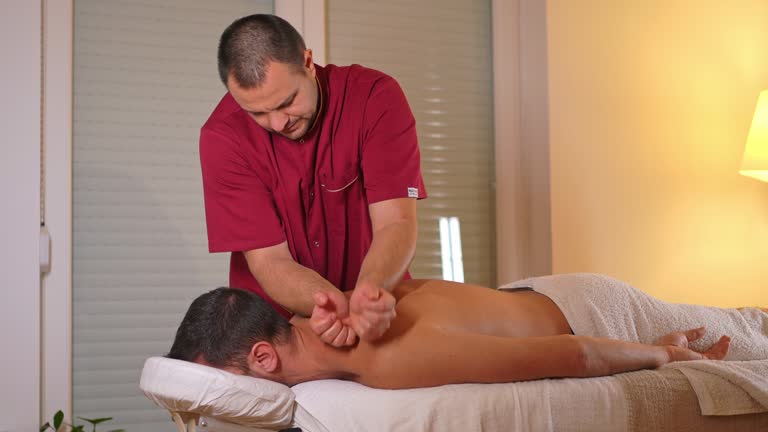
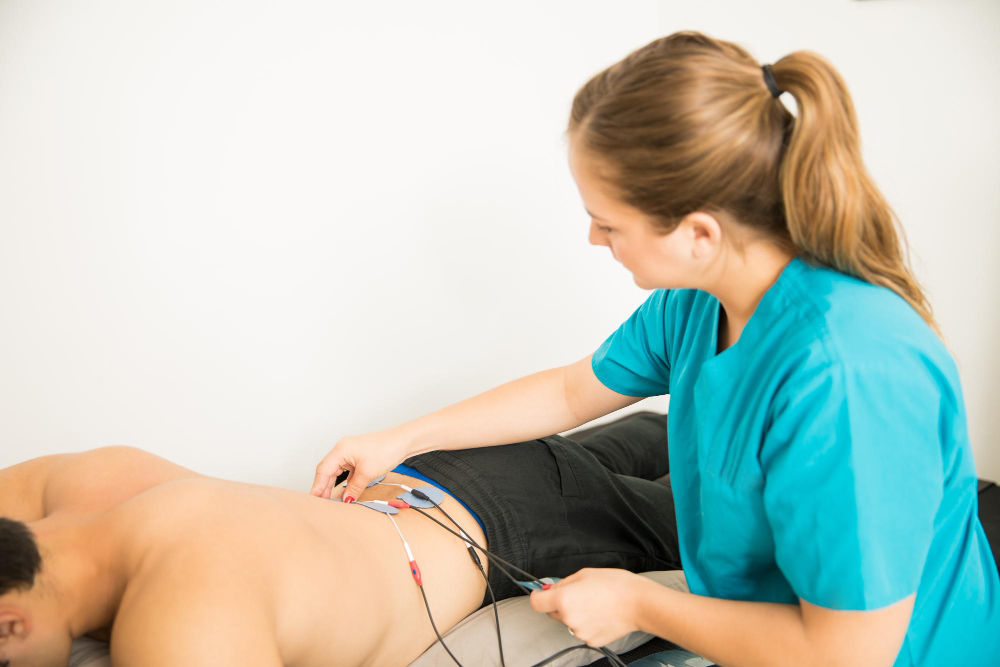
- Manual therapy to address muscle tension and joint mobility.
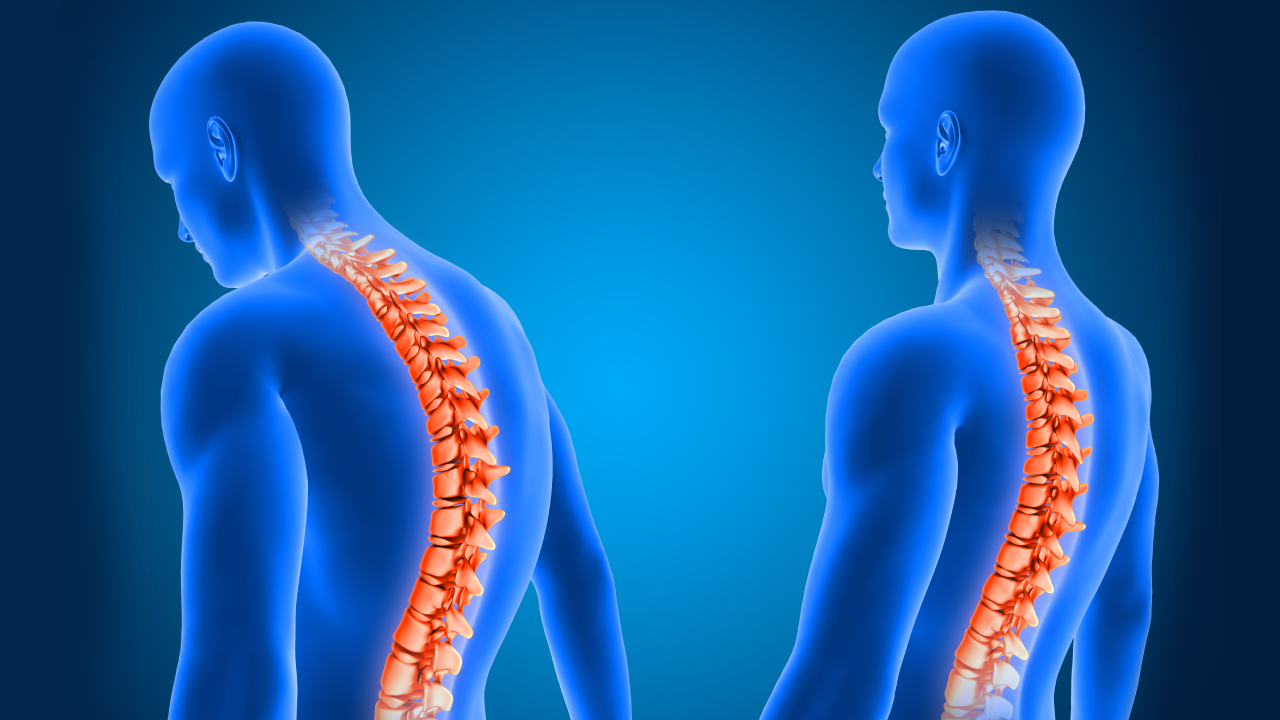
- Postural exercises to support appropriate body alignment.
- Strengthening activities to improve muscle function.
- Movement training to support everyday physical activities.
- Education about activity modification and safe movement.
The treatment plan depends on the type of accident, injury severity, medical history, and individual symptoms.
Why Is Physiotherapy Important After a Car Accident?
A collision can affect multiple body structures, and symptoms do not always appear immediately. Some individuals may initially feel normal but notice stiffness, headaches, or muscle discomfort later.
Ignoring these changes may make everyday activities difficult. For example, neck stiffness can interfere with checking blind spots while driving, while lower back discomfort may affect sitting, standing, and lifting.
Motor Vehicle Accident Physiotherapy provides an opportunity to assess these physical concerns and address movement limitations through appropriate care.
An initial assessment generally includes reviewing the accident history, discussing symptoms, examining movement patterns, and evaluating muscle strength and joint function. These findings help determine which areas require attention.
Physiotherapy may also form part of a broader care plan involving medical assessments and other healthcare services when necessary.
5 Benefits of Motor Vehicle Accident Physiotherapy for Injury Recovery
Following a car accident, physical symptoms can affect work, household responsibilities, driving, exercise, and recreational activities. Physiotherapy can address several of these concerns through structured treatment and gradual physical rehabilitation.
1. Helps Manage Neck Pain and Whiplash Symptoms
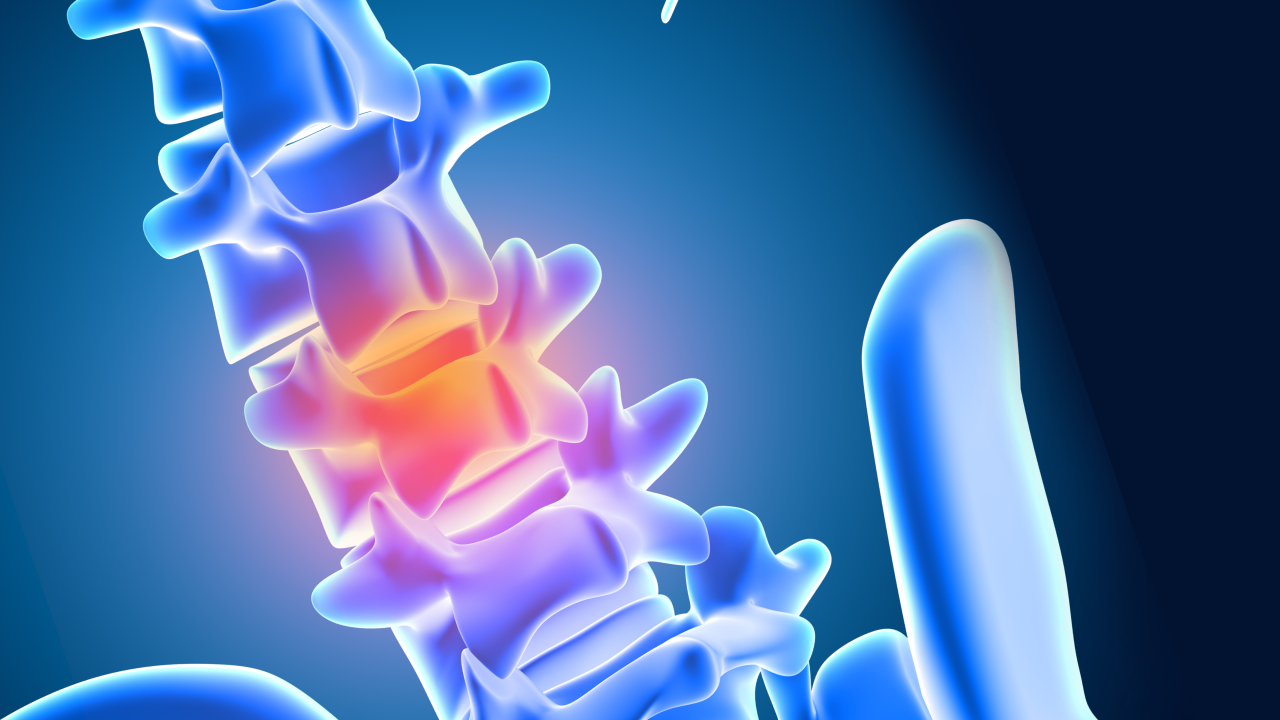
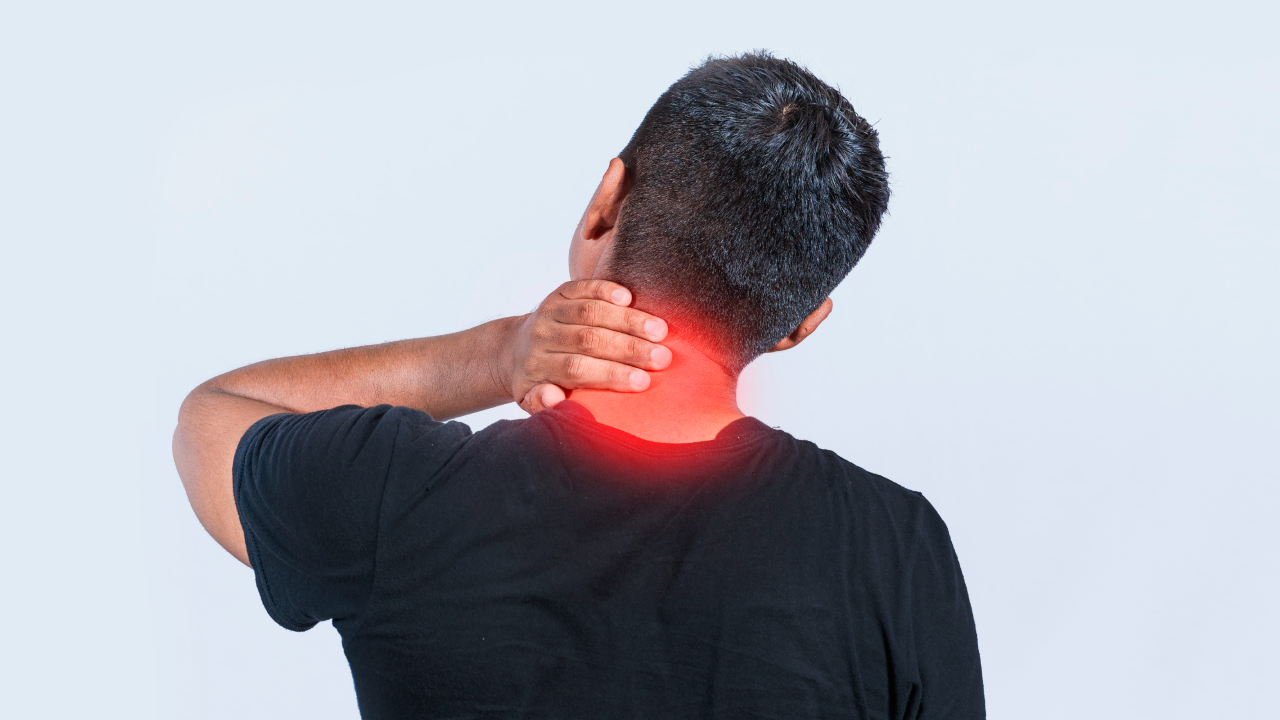
Whiplash is one of the common injuries associated with car accidents. It occurs when the neck moves suddenly backward and forward due to the force of a collision. This rapid movement can strain muscles, ligaments, and other soft tissues around the cervical spine.
Common whiplash symptoms include:
- Neck stiffness and soreness.
- Reduced neck movement.
- Shoulder discomfort.
- Headaches.
- Muscle tightness.
- Discomfort when turning the head.
Physiotherapy may include gentle neck mobility exercises, stretching, postural training, and strengthening activities based on the individual’s condition.
Motor Vehicle Accident Physiotherapy can help address restricted neck movement and muscle weakness through gradual rehabilitation. Exercises may also focus on improving neck control and supporting comfortable head movements during everyday activities.
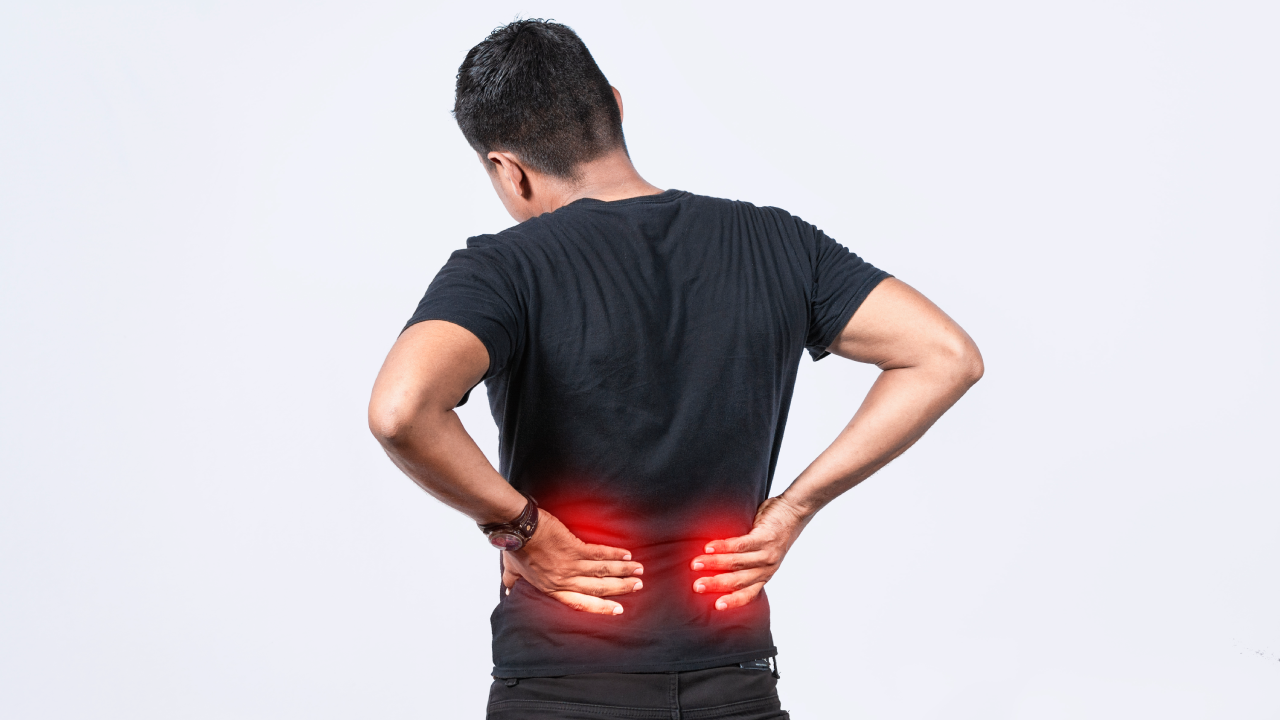
2. Addresses Back Pain and Spinal Mobility
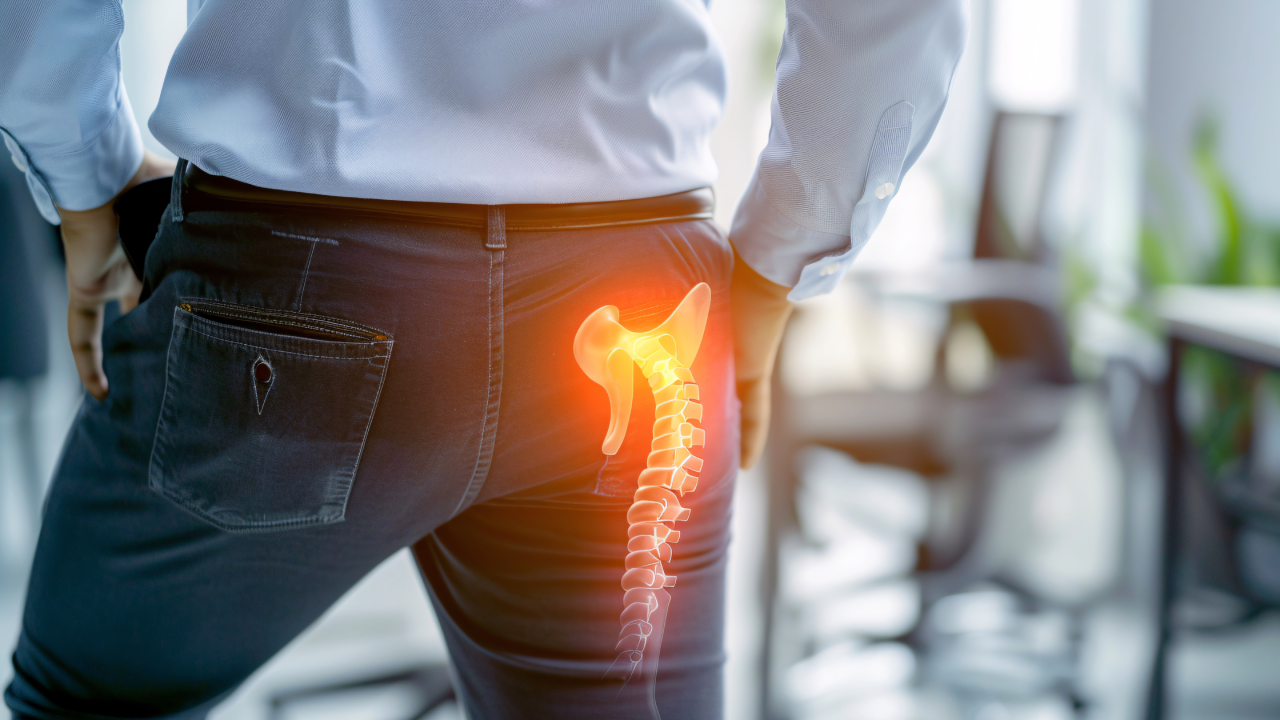
Back injuries can occur when the body experiences sudden acceleration, deceleration, or twisting during a collision. The impact may affect the muscles, joints, ligaments, and other structures surrounding the spine.
Some individuals develop lower back discomfort, while others notice stiffness in the middle or upper back. Symptoms may become more noticeable when sitting for extended periods, bending, lifting, or changing positions.
Physiotherapy may include:
- Gentle spinal mobility exercises.
- Core strengthening activities.
- Stretching for tight muscles.
- Postural correction exercises.
- Movement training.
- Gradual activity progression.
These approaches can help address movement restrictions and support muscle function.
For Calgary residents dealing with accident-related back symptoms, Motor Vehicle Accident Physiotherapy can provide an organized approach to physical rehabilitation based on an individual assessment.
3. Improves Muscle Strength and Flexibility
The sudden force of a collision can strain muscles throughout the body. Depending on the impact, individuals may experience muscle soreness, weakness, tightness, or reduced flexibility.
When movement becomes uncomfortable, some people naturally reduce their physical activity. However, prolonged inactivity may contribute to muscle weakness and reduced joint mobility.
Physiotherapy uses appropriate exercises to gradually address these concerns.
A physiotherapist may recommend:
- Range-of-motion exercises.
- Gentle resistance training.
- Muscle stretching.
- Core stability exercises.
- Balance activities.
- Functional movement exercises.
The intensity and progression of these activities depend on the injury and the individual’s tolerance.
Motor Vehicle Accident Physiotherapy can help individuals work towards improved muscle coordination, flexibility, and strength while gradually returning to their usual activities.
4. Supports Daily Movement and Physical Function
Accident-related injuries can make routine activities challenging. Tasks such as getting out of bed, walking, climbing stairs, carrying groceries, sitting at a desk, or driving may become uncomfortable.
These difficulties can affect personal routines and workplace responsibilities.
Physiotherapy focuses on practical movements that individuals perform throughout the day. Treatment may involve functional exercises that address specific activity limitations.
For example:
- Walking exercises may address difficulties with balance and movement.
- Sitting and standing practice may help improve movement control.
- Shoulder exercises may address difficulties reaching overhead.
- Hip and knee exercises may support walking and stair climbing.
- Postural activities may address discomfort during desk work.
Motor Vehicle Accident Physiotherapy can help individuals gradually work towards performing everyday tasks with improved movement control and physical confidence.
5. Encourages a Structured Return to Regular Activities
Returning to work, driving, exercise, and recreational activities after a collision may require gradual physical preparation. Returning to demanding activities too soon can aggravate certain symptoms, while avoiding movement for extended periods may contribute to physical deconditioning.
A physiotherapy program can help establish a gradual progression based on symptoms, physical capacity, and recovery milestones.
The process may involve:
- Reviewing current movement limitations.
- Establishing suitable activity goals.
- Introducing low-intensity exercises.
- Progressing strength and endurance activities.
- Practicing movements related to work or daily routines.
- Monitoring symptoms during rehabilitation.
This structured approach helps individuals understand how to increase activity levels while paying attention to their body’s responses.
Common Injuries That May Require Physiotherapy After a Car Accident
Car accidents can cause different types of injuries depending on the direction of impact, vehicle speed, seatbelt positioning, and other circumstances.
Some common conditions include:
Whiplash-Associated Disorders
Whiplash can cause neck stiffness, headaches, shoulder discomfort, and restricted cervical movement. Symptoms may appear immediately or develop over the next few days.
Lower Back Strain
Sudden movement during a collision can strain lower back muscles and surrounding soft tissues. Individuals may notice discomfort when bending, sitting, standing, or lifting objects.
Shoulder Injuries
The shoulder may experience stress during impact, particularly when the arms are braced against the steering wheel or dashboard. Symptoms can include soreness, reduced movement, and difficulty lifting the arm.
Knee Injuries
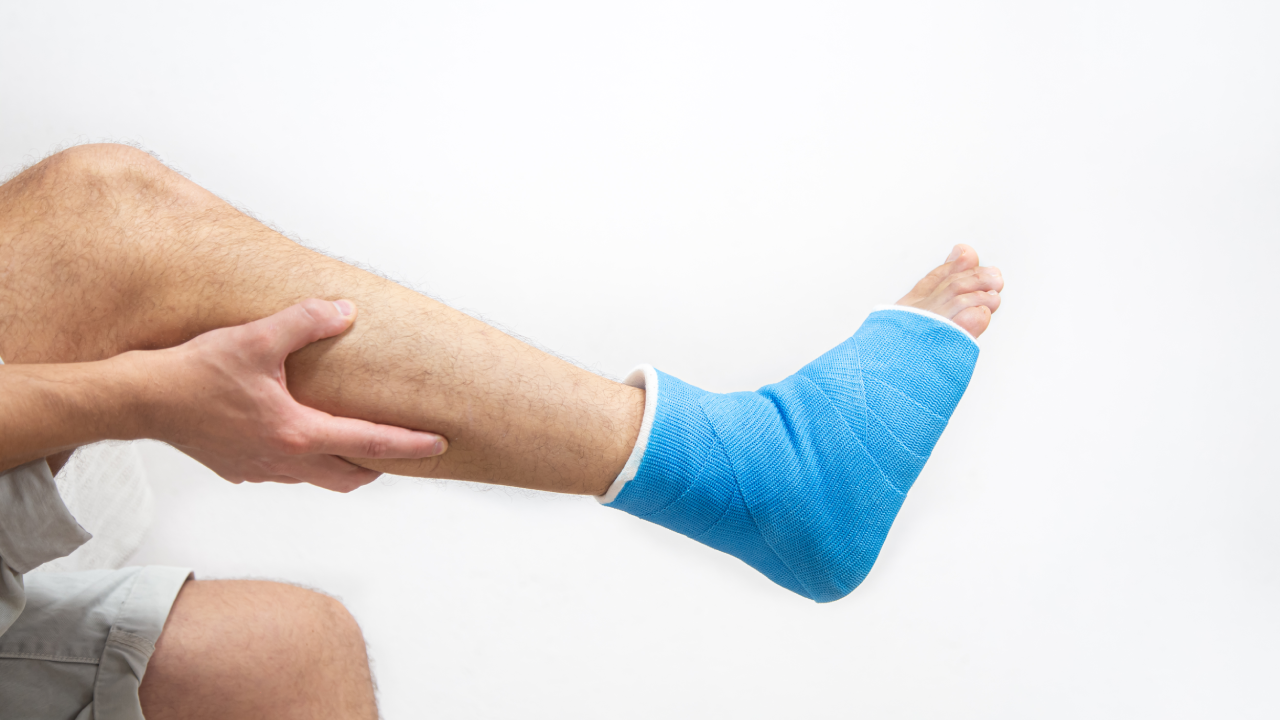
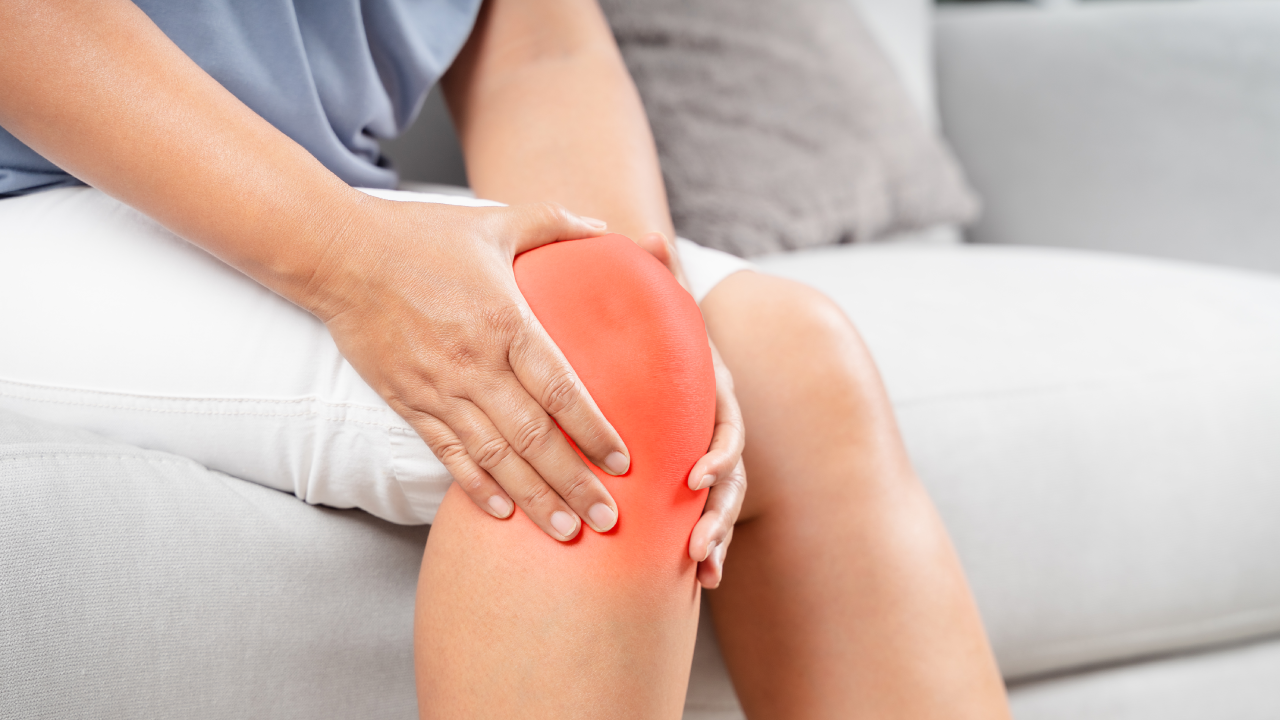
Knees may strike the dashboard or experience force during a collision. This can result in swelling, tenderness, stiffness, or difficulty walking.
Muscle and Soft Tissue Injuries
The sudden forces involved in an accident can stretch or strain muscles and ligaments. These injuries may cause swelling, tenderness, tightness, and movement difficulties.
A healthcare professional should assess suspected injuries before physical rehabilitation begins. Severe pain, significant swelling, numbness, weakness, breathing difficulties, or symptoms following a head injury require prompt medical attention.
What Happens During a Motor Vehicle Accident Physiotherapy Session?
Knowing what to expect during an appointment can help individuals prepare for their rehabilitation process.
Although each session may vary, the process generally includes several stages.
1. Initial Consultation
The physiotherapist discusses the accident, injury history, symptoms, previous medical concerns, and current activity limitations.
2. Physical Assessment
The assessment may include checking joint mobility, muscle strength, posture, balance, flexibility, and functional movements. The physiotherapist may also identify movements that increase discomfort.
3. Treatment Planning
Based on the assessment findings, an appropriate treatment plan is established. The plan may include exercises, manual therapy, mobility activities, and other suitable physiotherapy approaches.
4. Treatment Sessions
Sessions focus on addressing identified concerns through gradual physical activities and therapeutic interventions. Treatment intensity may change according to progress and symptom response.
5. Progress Monitoring
The physiotherapist reviews changes in movement, strength, flexibility, and daily function. Exercises may be adjusted as physical capacity changes.
Motor Vehicle Accident Physiotherapy is not identical for everyone. The number of sessions and rehabilitation timeline depend on injury severity, individual health factors, and progress.
When Should You Consider Physiotherapy After a Car Accident?
It is important to pay attention to physical changes following a collision, even if the accident appears minor.
You may consider a physiotherapy assessment if you notice:
- Persistent neck or back stiffness.
- Muscle soreness following the collision.
- Difficulty turning your head.
- Reduced shoulder or arm movement.
- Discomfort when walking or climbing stairs.
- Difficulty sitting or standing for extended periods.
- Reduced flexibility or muscle strength.
- Challenges returning to regular activities.
Seeking medical assessment after an accident is important, particularly when symptoms are new, worsening, or unexplained. Physiotherapy should begin when clinically appropriate and in accordance with medical recommendations.
Why Choose PhysioNation Chiro Massage Acupuncture in Calgary?
Following a motor vehicle accident, finding a clinic that can assess physical concerns and discuss suitable rehabilitation options is an important step.
PhysioNation Chiro Massage Acupuncture in Calgary provides physiotherapy services for individuals dealing with movement difficulties and accident-related physical concerns.
The clinic can help individuals explore care options based on their symptoms, physical assessment, and rehabilitation requirements.
When discussing treatment, individuals can expect attention to areas such as:
- Accident history and current symptoms.
- Neck, back, shoulder, and joint mobility.
- Muscle strength and flexibility.
- Everyday movement limitations.
- Exercise requirements and activity progression.
- Changes in physical function during rehabilitation.
The aim is to address identified physical concerns and help individuals work towards their activity goals through appropriate care.
Frequently Asked Questions
1. What is Motor Vehicle Accident Physiotherapy?
It is a form of physiotherapy that addresses injuries and movement difficulties following a road collision. Treatment may include therapeutic exercises, stretching, manual therapy, and mobility training.
2. When should I start physiotherapy after a car accident?
The appropriate time depends on the injury and its severity. A medical assessment is advisable after a collision, and physiotherapy can begin when clinically appropriate.
3. Can physiotherapy help with whiplash?
Yes. Physiotherapy may help address whiplash-related stiffness, restricted neck movement, muscle weakness, and discomfort through suitable exercises and therapeutic approaches.
4. How many physiotherapy sessions are required after a car accident?
The number of sessions varies according to the injury, symptom severity, physical condition, and progress. A physiotherapist can discuss an appropriate schedule after an assessment.
5. Can I return to work while receiving physiotherapy after an accident?
Many individuals can continue working during rehabilitation, depending on their injuries and job responsibilities. Activity modifications or temporary workplace adjustments may be necessary.
Take The Next Step.
Car accident injuries can affect movement, physical function, and everyday routines. Addressing symptoms through an appropriate assessment and rehabilitation program can help individuals work towards improved mobility, muscle strength, and daily activity.
If you are experiencing neck stiffness, back discomfort, muscle soreness, or restricted movement following a collision, consider arranging an assessment at PhysioNation Chiro Massage Acupuncture in Calgary.
Contact the clinic to discuss your symptoms, learn about available physiotherapy services, and schedule an appointment. Taking an appropriate step towards physical rehabilitation can help you work towards returning to your regular activities with greater confidence.
Phone: +1 403-475-8816
Address: CO-OP PLAZA HAMPTONS, 1000 Hamptons Dr NW 622, Calgary, AB T3A 6A7, Canada