Back Pain Treatment in Calgary
Back pain can affect almost every part of your daily routine. Whether it begins after lifting something heavy, sitting for long periods, playing sports, or develops gradually over time, it can make everyday activities more difficult. At PhysioNation, we provide physiotherapy for people dealing with back pain in Calgary. Our goal is to identify what is contributing to your symptoms and create a plan that helps you move with greater confidence.
Back pain affects people of all ages and activity levels. Some episodes resolve within a few weeks, while others persist and interfere with work, exercise, sleep, and family life. An assessment can help determine the source of your symptoms and the factors contributing to them.
What Is Back Pain?
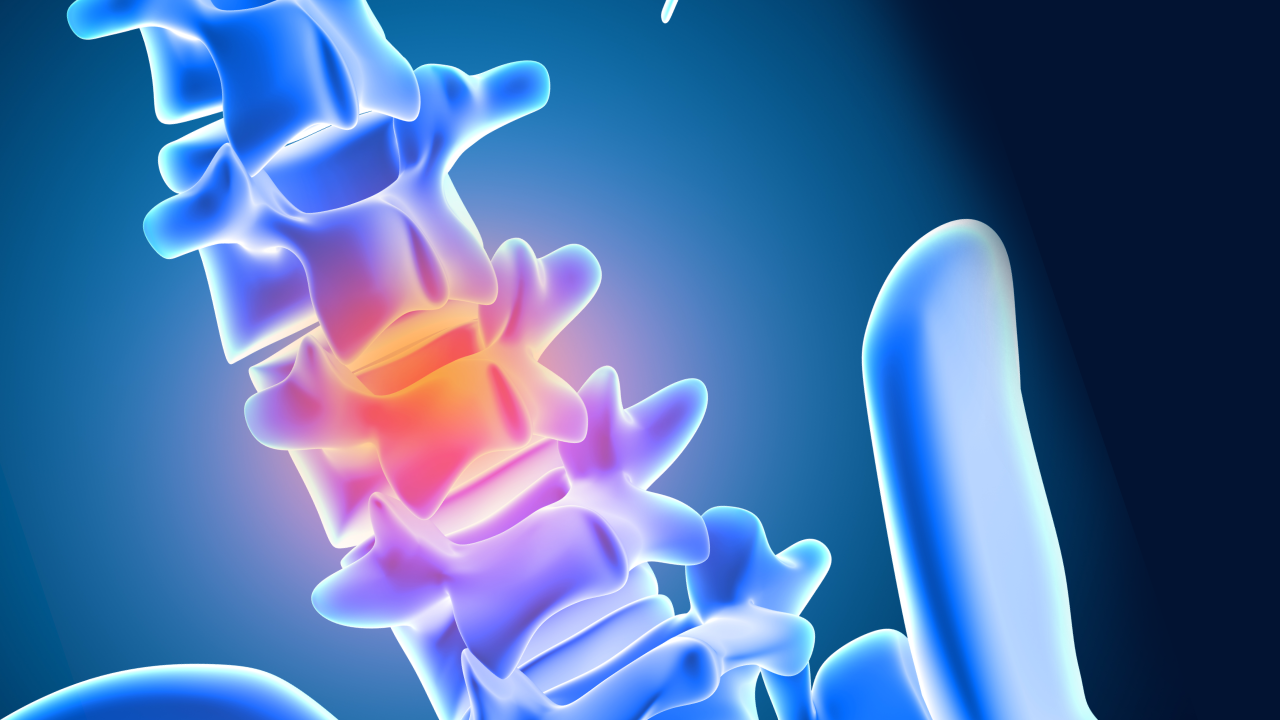
Back pain refers to discomfort anywhere along the spine, including the upper, middle, or lower back. The lower back is one of the most common areas affected because it supports much of the body’s weight and plays a major role in movement.
Pain may come from muscles, ligaments, joints, discs, nerves, or other structures within the spine. In many cases, several factors contribute simultaneously, making a professional assessment valuable for determining the source of the problem.
Back pain may appear suddenly after an injury or develop gradually due to repetitive movements, prolonged sitting, poor movement habits, or age-related changes.


Signs and Symptoms of Back Pain
Back pain varies from person to person. Some people notice occasional stiffness, while others find it difficult to complete everyday tasks.
Common symptoms include:
- Dull or aching pain in the back
- Sharp pain during certain movements
- Stiffness after sitting or resting
- Difficulty bending or twisting
- Muscle tightness
- Pain when standing or walking for extended periods
- Discomfort that spreads into the hips or legs
- Reduced flexibility
- Difficulty lifting everyday objects
- Pain that interrupts sleep
If symptoms continue, become more frequent, or begin affecting daily activities, an assessment can help identify the contributing factors.
Common Causes of Back Pain
Many factors, including conditions and lifestyle, can contribute to back pain. Identifying the underlying cause helps determine the most appropriate physiotherapy approach.
Common causes include:
- Muscle strains
- Ligament sprains
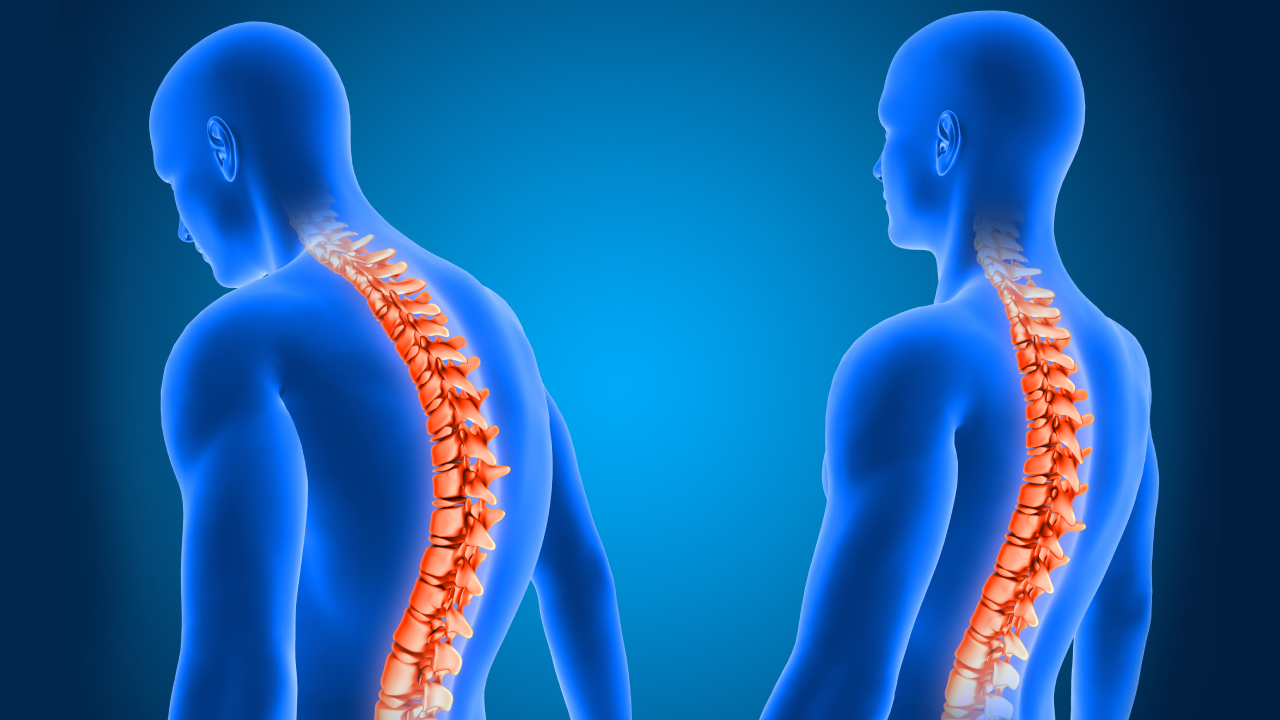
- Poor posture
- Repetitive lifting
- Sports-related injuries
- Disc irritation
- Joint stiffness
- Degenerative changes
- Sedentary lifestyles
- Workplace demands
- Previous injuries
- Pregnancy-related changes
In some cases, back pain develops without a single obvious event and instead results from repeated stress on the spine over time.
Types of Back Pain
Back pain can be classified in several ways depending on where it occurs and how long symptoms have been present.
Acute Back Pain
Symptoms begin suddenly and often last less than six weeks. Acute pain may follow lifting, twisting, falls, or sports activities.
Persistent Back Pain
Pain lasting longer than several months may involve multiple contributing factors, including reduced mobility, muscle weakness, or recurring strain.
Upper Back Pain
Often linked to posture, repetitive movements, desk work, or muscle tension.
Lower Back Pain
One of the most common reasons people seek physiotherapy. It may affect movement, lifting, walking, sitting, or exercise.
Pain That Travels Into the Leg
Sometimes irritation involving nearby nerves can cause symptoms extending into the buttock or leg, requiring a detailed assessment to determine the source.
When Should You Seek Physiotherapy?
You do not have to wait until pain becomes severe before seeking physiotherapy.
You may benefit from an assessment if:
- Pain has continued for more than a few weeks.
- Symptoms keep returning.
- Daily activities have become difficult.
- Sitting or standing increases discomfort.
- Movement feels restricted.
- Exercise has become uncomfortable.
- Work duties are becoming harder to complete.
- Pain limits hobbies or recreational activities.
Seeking care sooner may help prevent movement limitations from becoming more established.
How Physiotherapy Can Help Back Pain
Every episode of back pain is different. Rather than focusing only on the painful area, physiotherapy examines how your joints, muscles, mobility, strength, and movement patterns work together.
Following your assessment, your physiotherapist develops a treatment plan based on your findings and goals.
Your care may include:
- Manual therapy
- Joint mobilization
- Soft tissue techniques
- Stretching
- Mobility exercises
- Strengthening exercises
- Core stability training
- Balance activities
- Postural education
- Movement retraining
- Activity modification
- Home exercise programs
The combination of treatments depends on your assessment findings and progress throughout your visits.
What Your Assessment Includes
Your first appointment focuses on identifying the factors contributing to your symptoms.
Your physiotherapist may assess:
- Your health history
- Current symptoms
- Daily activities
- Work demands
- Previous injuries
- Range of motion
- Muscle strength
- Walking pattern
- Joint mobility
- Functional movements
- Balance and coordination
This information helps build a treatment plan that reflects your individual needs and activity level.
What Can You Expect During Recovery?
Recovery timelines differ depending on the cause of your back pain, how long symptoms have been present, your activity level, and your overall health.
Your physiotherapist monitors your progress throughout treatment and adjusts your exercise program as your mobility and function improve. Home exercises and activity recommendations play an important role between appointments and help reinforce the work completed during each visit.
The goal is to help you return to daily activities, work, recreation, and exercise with greater confidence while reducing the likelihood of recurring problems.
Frequently Asked Questions
Can physiotherapy help lower back pain?
Physiotherapy is commonly used to address lower back pain by improving mobility, strength, movement patterns, and overall function following a detailed assessment.
Do I need a doctor’s referral?
Many people can book a physiotherapy appointment directly. Some insurance providers may have their own requirements, so it is worth checking your plan.
How many visits will I need?
The number of visits depends on the cause of your symptoms, your goals, and how your condition responds during treatment.
Should I stop exercising if my back hurts?
Not always. Remaining active is often encouraged, although certain activities may need temporary modification. Your physiotherapist can advise which movements are appropriate during recovery.
What should I bring to my first appointment?
Wear comfortable clothing that allows easy movement and bring any relevant medical reports or imaging if available.
Areas Served
PhysioNation provides physiotherapy for people throughout Calgary who are dealing with back pain, mobility concerns, sports injuries, workplace injuries, and other musculoskeletal conditions. Whether your symptoms began recently or have been affecting you for months, our team is here to help you take the next step toward improved movement and function.
Get Started
If back pain is limiting your daily routine, work, or recreational activities, the team at PhysioNation is ready to help. Contact our Calgary clinic to schedule an assessment.
Address: CO-OP PLAZA HAMPTONS, 1000 Hamptons Dr NW #622, Calgary, AB T3A 6A7, Canada
Phone: +1 403-475-8816
We’ll identify potential contributors to your symptoms, explain your findings clearly, and create a treatment plan to help you move with greater comfort and confidence.