Foot and Ankle Injuries in Calgary
Foot and ankle injuries can make daily tasks challenging. Pain, stiffness, swelling, or instability in your foot or ankle can make walking, climbing stairs, exercising, or standing for long periods uncomfortable. At PhysioNation, we help people in Calgary recover from injuries, manage ongoing discomfort, and get back to work, sports, or daily routines.
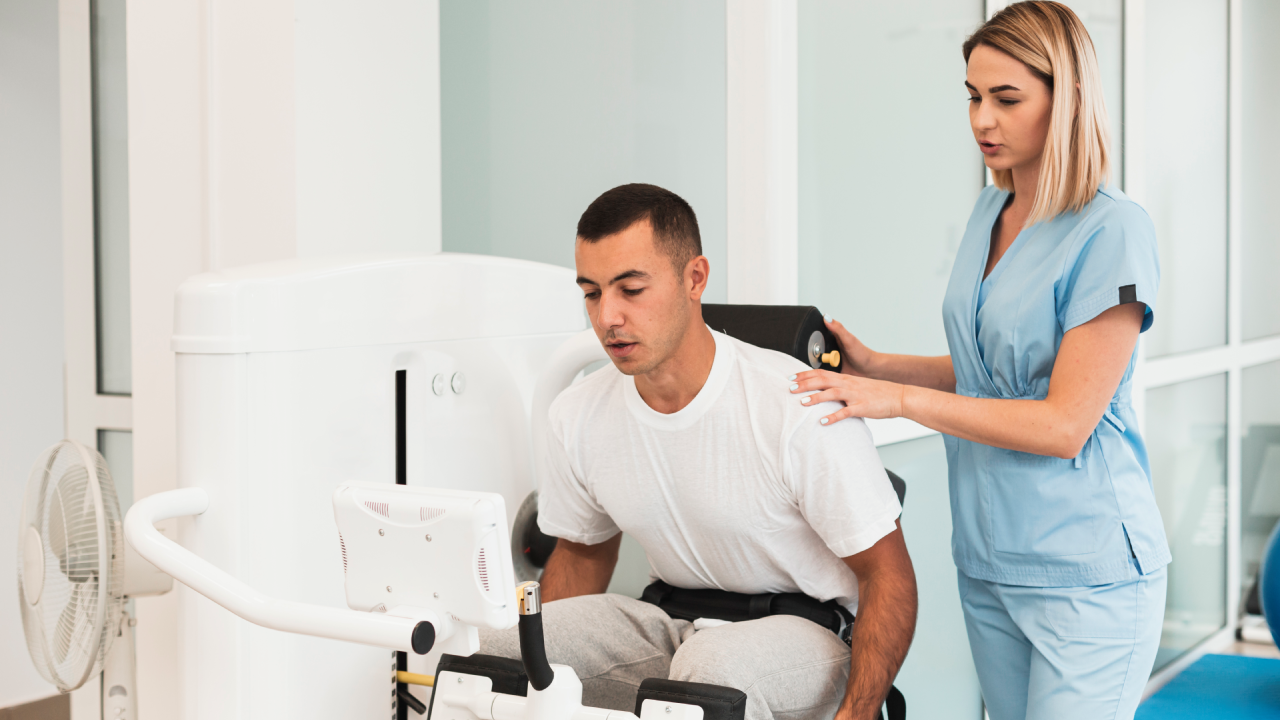
Our physiotherapists start with a thorough assessment to find out what is causing your symptoms and what might be affecting your movement. Then, we design a treatment plan to reduce discomfort, restore movement, build strength, and improve stability so you can move more confidently.
What Are Foot and Ankle Injuries?
Foot and ankle injuries are problems that affect the bones, joints, muscles, tendons, ligaments, and other tissues in the lower leg. These injuries can happen suddenly after a fall, awkward landing, sports activity, or accident. They can also develop slowly from repeated stress, overuse, or changes in how active you are.
Because your foot and ankle absorb force with every step, even small problems can change how you walk and put extra strain on your knees, hips, or lower back. Getting checked early can help find movement issues and address them before they cause problems elsewhere.
Common foot and ankle conditions include:
- Ankle sprains
- Foot sprains
- Achilles tendon injuries
- Plantar fasciitis
- Heel pain
- Tendon irritation
- Stress injuries
- Muscle strains
- Balance deficits after injury
- Post-fracture rehabilitation
- Post-surgical rehabilitation
Each condition is different, so having a personal assessment is an important first step to finding the right treatment


Who Can Benefit From Foot and Ankle Physiotherapy?
At PhysioNation, we help people across Calgary with many different foot and ankle problems.
You may benefit from physiotherapy if you:
- Twisted your ankle during sport or daily activities.
- Notice swelling or stiffness after an injury.
- Feel discomfort while walking or standing.
- Have recurring ankle sprains.
- Are recovering after a fracture.
- Are preparing to return to work following an injury.
- Want to resume running or recreational activities.
- Have heel or arch discomfort that limits daily movement.
- Recently had foot or ankle surgery.
- Feel your ankle gives way during activity.
Whether symptoms appeared suddenly or have developed gradually, an assessment can help identify what is contributing to the problem and which treatments may support your recovery.
Problems Foot and Ankle Physiotherapy Can Address
Foot and ankle injuries can affect more than just your foot or ankle. Changes in how you walk can also impact your knees, hips, and lower back over time.
Physiotherapy may assist with concerns such as:
- Difficulty walking without discomfort
- Swelling around the ankle or foot
- Limited ankle mobility
- Reduced balance following injury
- Weakness affecting daily movement
- Difficulty returning to sports
- Reduced flexibility
- Joint stiffness
- Difficulty climbing stairs
- Ongoing discomfort following a previous injury
- Reduced confidence during movement
- Compensation patterns affecting other joints
Addressing these issues early may help restore normal movement while reducing unnecessary strain on surrounding structures.
Assessment and Treatment Options
At each appointment, we start with a detailed evaluation. Your physiotherapist will talk with you about your symptoms, health history, activity level, and goals, then check how your foot and ankle move. They may look at how you walk, your joint movement, strength, flexibility, balance, and how you move in daily life to find out what’s causing your symptoms.
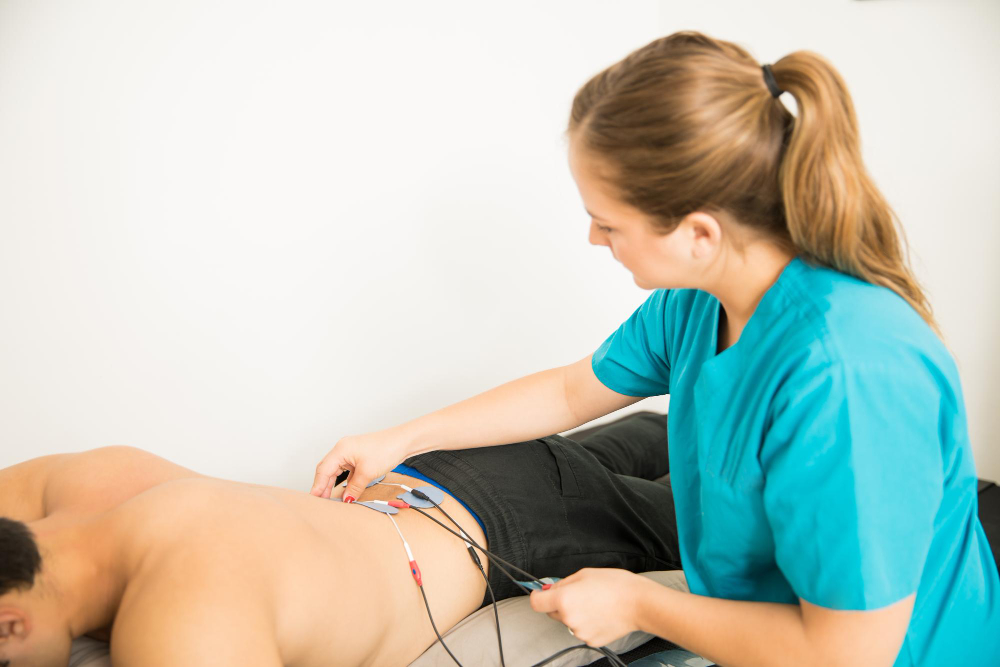
Based on the findings, your treatment plan may include:
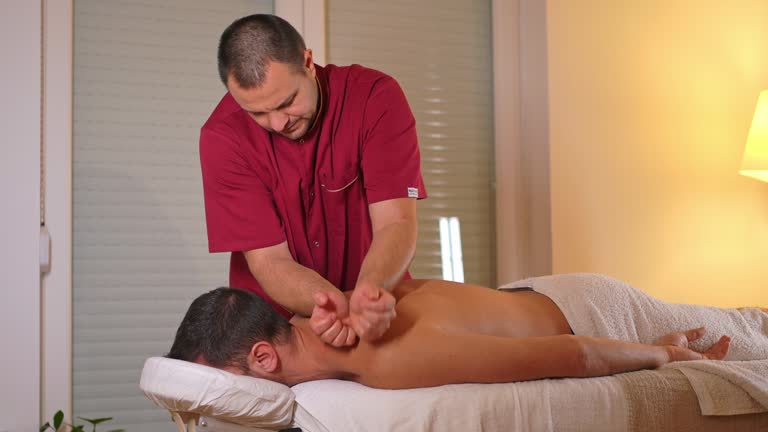
Manual Therapy
Hands-on techniques may be used to improve joint movement, reduce stiffness, and support normal mobility throughout the foot and ankle.
Exercise Rehabilitation
Exercises are selected to improve strength, flexibility, balance, coordination, and walking mechanics. As your recovery progresses, exercises become more functional and activity-specific.
Education
Understanding how your injury occurred and learning strategies to reduce unnecessary strain can support your recovery while helping you return to daily activities with greater confidence.
Movement Retraining
Improving walking patterns, balance, and lower-limb control may reduce stress on injured tissues while promoting more efficient movement.
How the Process Works
1. Initial Consultation
Your first visit begins with a conversation about your symptoms, daily activities, previous injuries, and goals. This information helps your physiotherapist gain a clear picture of how your condition is affecting your routine.
2. Physical Assessment
A physical examination follows, including an assessment of joint movement, muscle strength, flexibility, balance, walking pattern, and functional tasks. These findings help identify the structures involved and any movement patterns contributing to the issue.
3. Treatment Plan
Based on the assessment results, your physiotherapist develops a treatment plan that matches your condition, activity level, and recovery goals. The plan may combine manual therapy, therapeutic exercises, movement retraining, and education.
4. Progressive Rehabilitation
As your symptoms change, your exercises and treatment techniques are updated to match your progress. The focus gradually shifts from restoring movement to improving strength, balance, coordination, and functional performance.
5. Progress Reviews
Regular reassessments allow your physiotherapist to monitor changes in mobility, strength, function, and walking mechanics. Your treatment plan is adjusted whenever needed to support continued progress.
Benefits of Physiotherapy for Foot and Ankle Injuries
Foot and ankle physiotherapy focuses on restoring normal movement while helping you return to everyday activities as safely as possible.
Potential outcomes include:
- Improved joint mobility
- Increased muscle strength
- Enhanced balance and coordination
- More comfortable walking
- Improved flexibility
- Greater ankle stability
- Improved movement during work and recreation
- Reduced risk of recurring ankle sprains
- Increased confidence during daily activities
- Support for returning to sport and exercise
Every person’s recovery is different, and progress depends on factors such as the type and severity of the injury, overall health, and participation in the recommended exercise program.
Conditions We Commonly See
At PhysioNation, we assess and treat many foot and ankle conditions, including:
- Ankle sprains
- Achilles tendinopathy
- Plantar fasciitis
- Heel pain
- Peroneal tendon conditions
- Posterior tibial tendon dysfunction
- Foot muscle strains
- Ligament injuries
- Stress fractures (following medical clearance)
- Post-operative foot rehabilitation
- Post-fracture rehabilitation
- Running-related foot injuries
- Sports-related ankle injuries
- Balance deficits following injury
Our goal is to identify the source of your symptoms and help restore movement so you can return to the activities that matter to you.
Frequently Asked Questions
Do I need physiotherapy after an ankle sprain?
Many ankle sprains can leave behind weakness or reduced stability even after the initial pain settles. Physiotherapy can help restore movement, strength, and balance while supporting a safe return to activity.
How soon should I begin treatment?
Early assessment is often helpful after many foot or ankle injuries. Beginning care promptly may help manage swelling, restore movement, and plan the next stages of recovery.
Can physiotherapy help with heel pain?
Yes. Heel pain may have several causes, including plantar fasciitis, tendon conditions, or changes in walking mechanics. An assessment helps determine the contributing factors before treatment begins.
How many appointments will I need?
The number of visits depends on your condition, its severity, your activity goals, and how your body responds throughout rehabilitation.
Can I continue exercising during treatment?
In many cases, yes. Your physiotherapist can recommend appropriate activities during recovery while identifying movements that should be temporarily modified.
Service Areas
PhysioNation provides physiotherapy for foot and ankle injuries for people throughout Calgary. Whether your injury occurred during sport, at work, during exercise, or through everyday activities, our team is here to help you work toward improved movement and function.
Why Choose PhysioNation?
Choosing a physiotherapy clinic involves more than finding someone close by. At PhysioNation, every treatment plan begins with a thorough assessment and focuses on identifying the factors contributing to your symptoms.
When you visit our clinic, you can expect:
- One-to-one physiotherapy appointments
- Detailed movement assessments
- Individual exercise instruction
- Hands-on treatment when appropriate
- Progress monitoring throughout your care
- Education to support movement outside the clinic
- A focus on helping you return to daily activities, work, and recreation
Related Services
You may also be interested in:
- Sports Injury Physiotherapy
- Knee Pain Physiotherapy
- Hip Pain Physiotherapy
- Running Injury Rehabilitation
- Post-Surgical Rehabilitation
- Manual Therapy
- Vestibular Rehabilitation
- Custom Orthotics (if available)
Get Started
If foot or ankle pain is affecting your ability to move comfortably, PhysioNation is here to help. Our team provides physiotherapy for people across Calgary who are recovering from injury, managing recurring symptoms, or preparing to return to work, sport, or everyday activities.
Address: CO-OP PLAZA HAMPTONS, 1000 Hamptons Dr NW #622, Calgary, AB T3A 6A7, Canada
Phone: +1 403-475-8816
Contact PhysioNation today to book your assessment. We’ll talk about your concerns, check your movement, and create a treatment plan to help you reach your recovery goals.