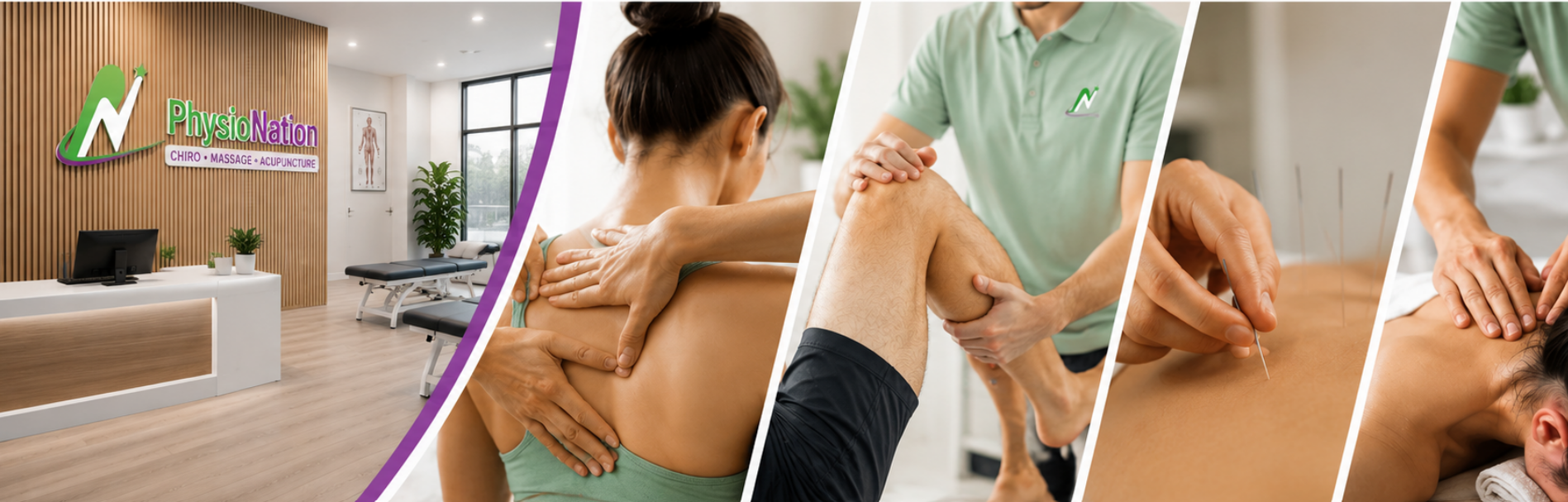
Fracture Treatment In Calgary
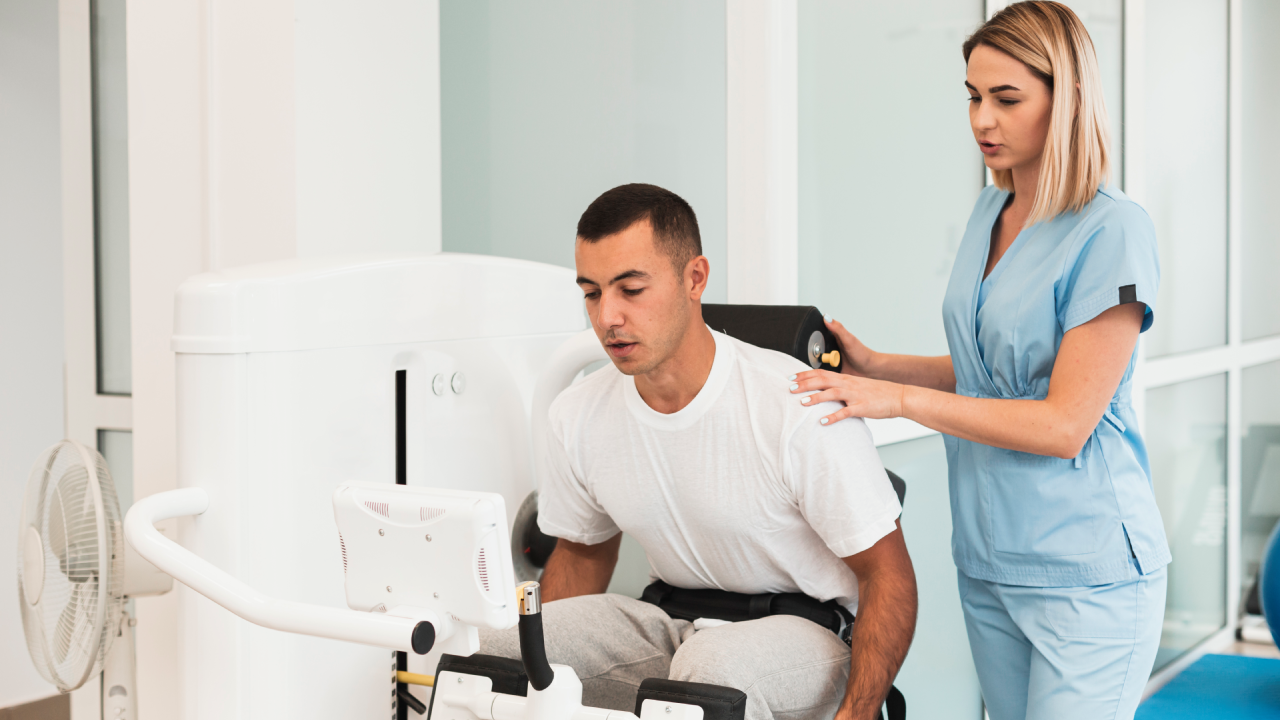
Healthcare provider confirms it is safe to begin rehabilitation, physiotherapy plays an important role in helping you recover movement, strength, and function. At PhysioNation, we provide fracture physiotherapy in Calgary for children, adults, seniors, athletes, and workers recovering from broken bones. Our goal is to help you return to daily activities with improved mobility, confidence, and physical function while reducing the risk of ongoing stiffness and weakness.
What Is Fracture Physiotherapy?
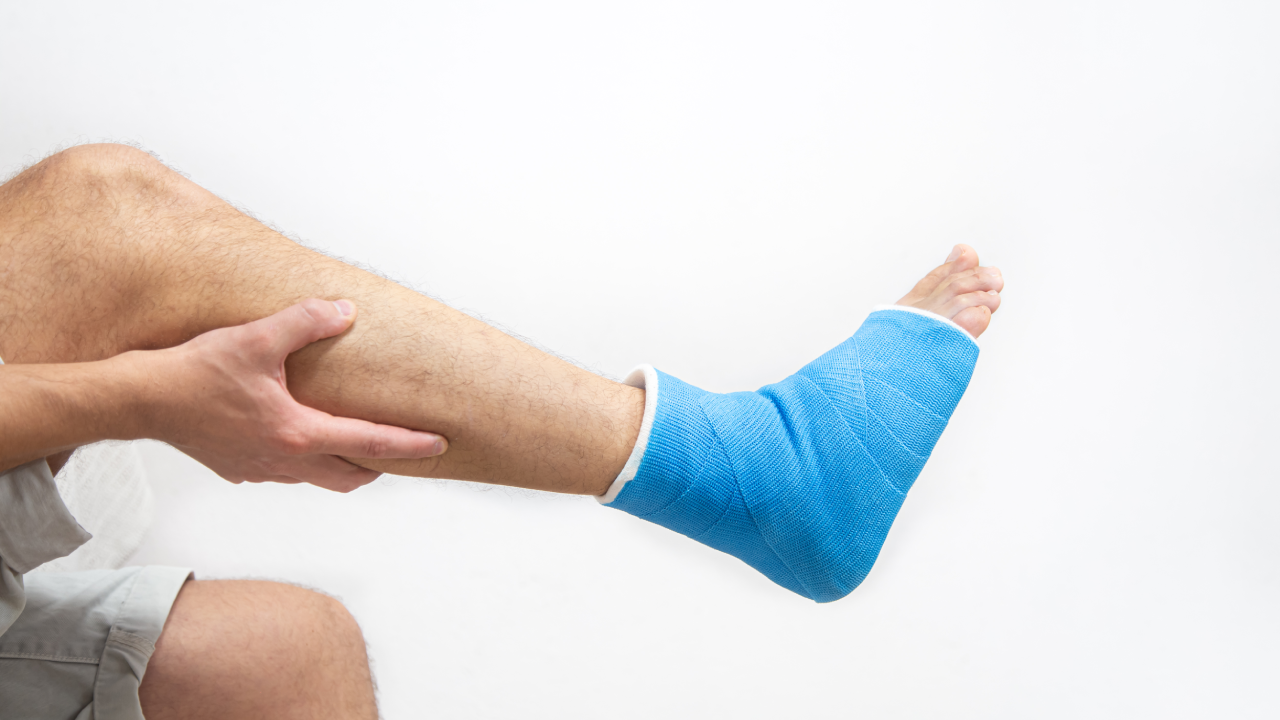
Fracture physiotherapy is a rehabilitation service that begins after a broken bone has been stabilized through a cast, brace, surgery, or another medical intervention. While the bone heals naturally, surrounding muscles, joints, tendons, and ligaments can become weak or stiff due to reduced movement.
Physiotherapy focuses on restoring normal movement patterns, rebuilding strength, improving flexibility, and increasing joint mobility. Every recovery progresses at a different pace depending on the location of the fracture, age, activity level, and overall health.
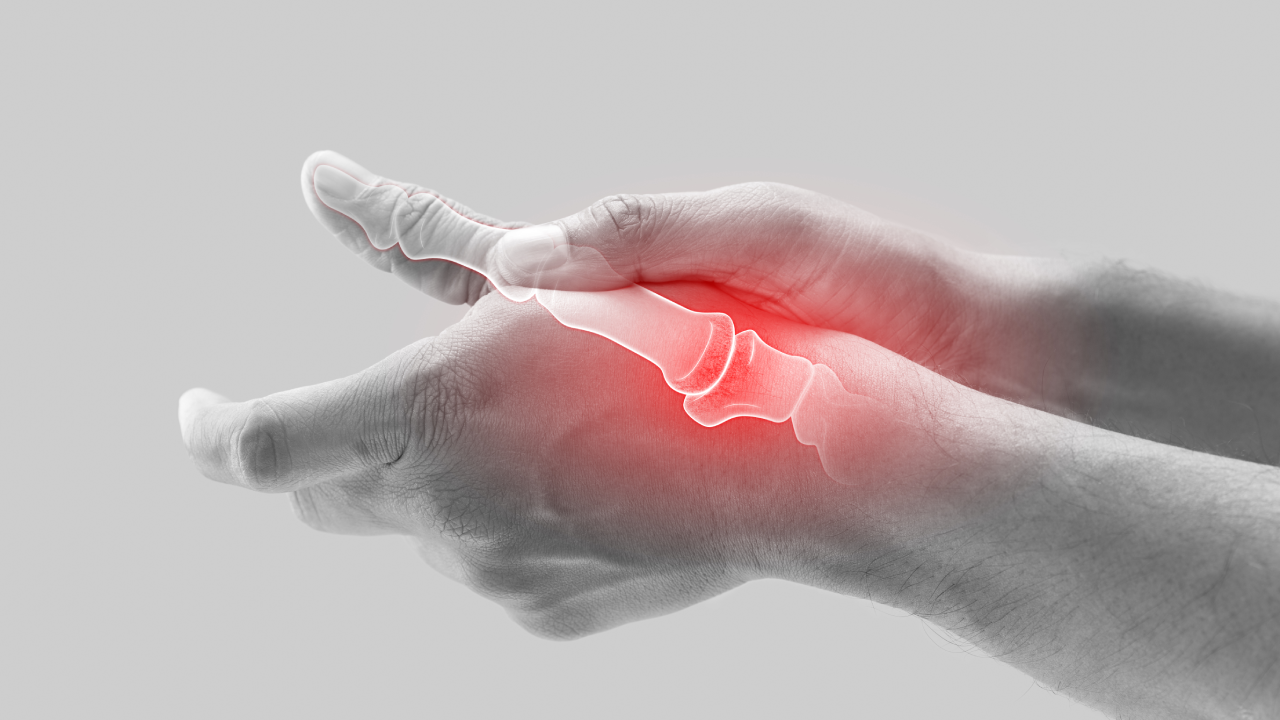
Fracture rehabilitation may be appropriate after injuries involving the:
- Wrist
- Hand and fingers
- Elbow
- Shoulder and collarbone
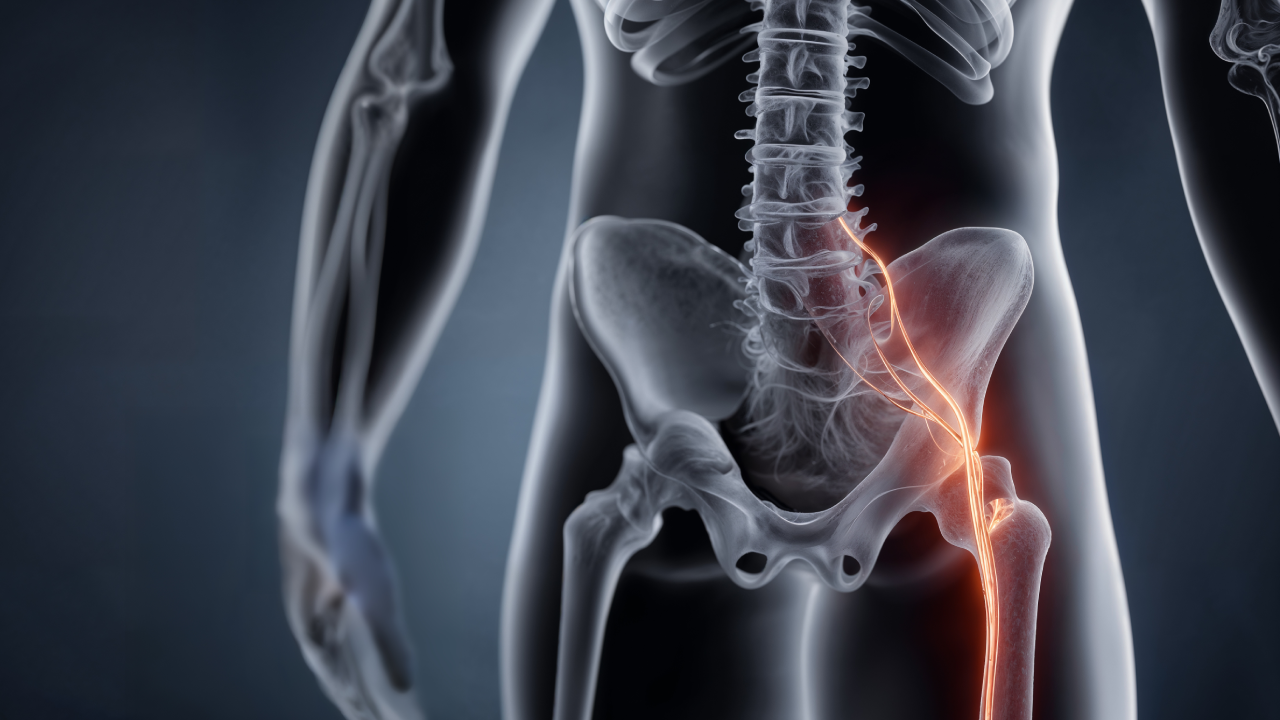
- Hip
- Pelvis
- Knee
- Ankle
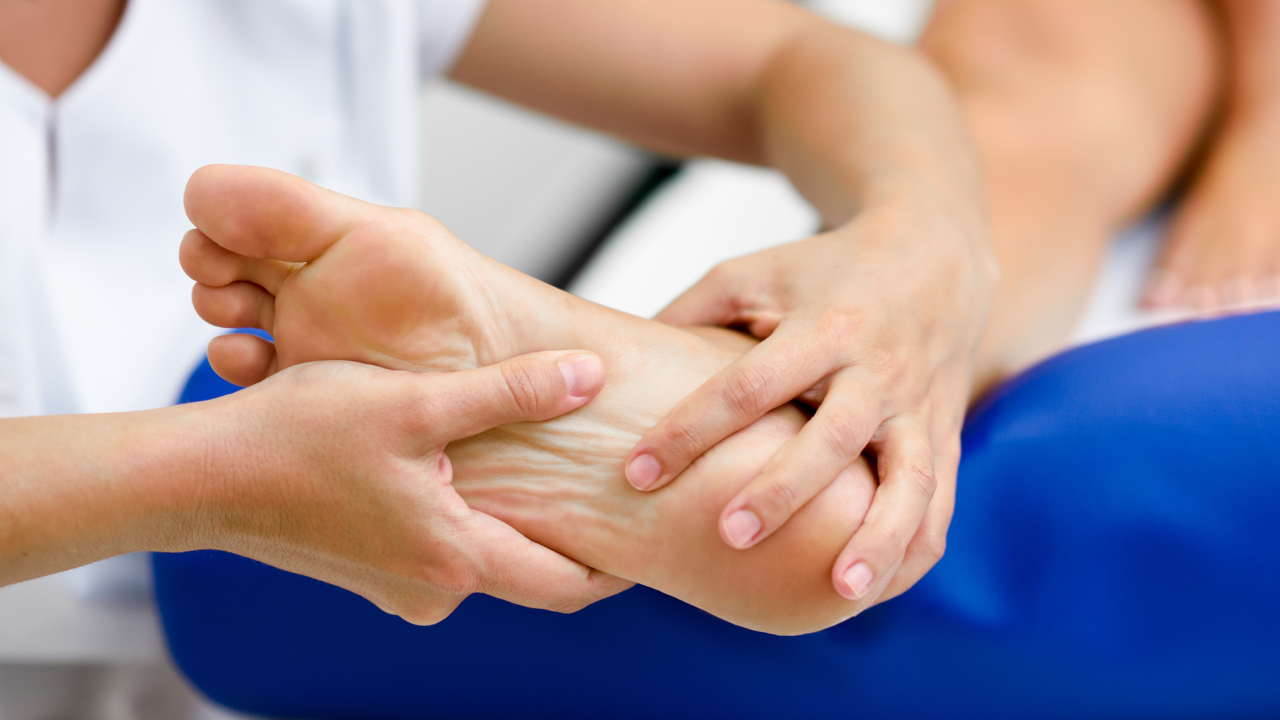
- Foot
- Leg
- Arm
Early rehabilitation, when medically appropriate, may help reduce muscle loss, improve mobility, and support a gradual return to normal activities.
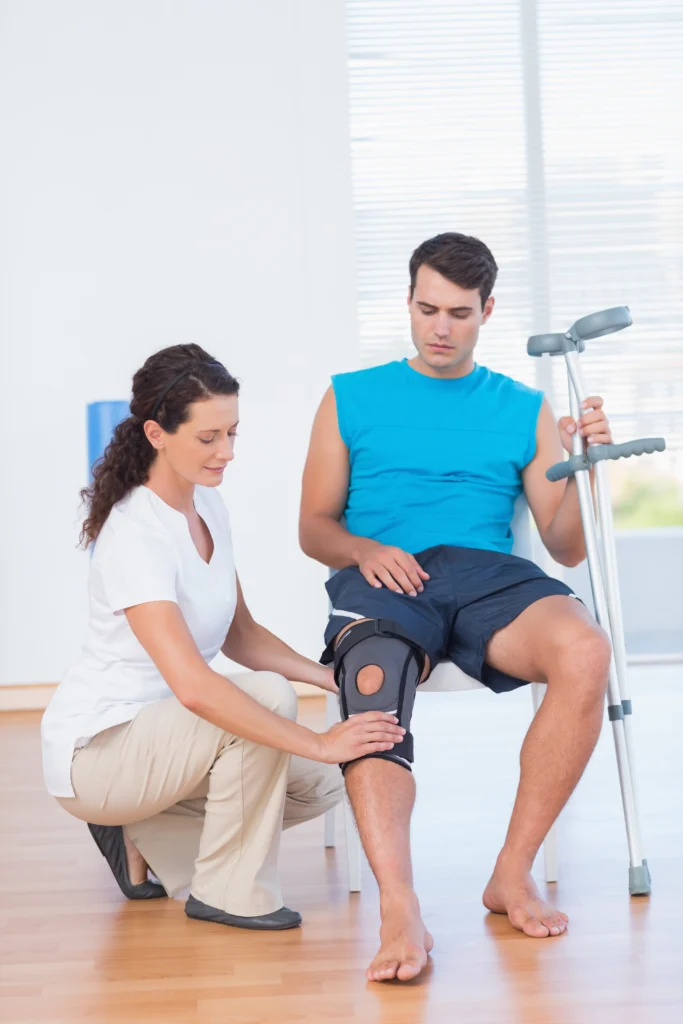

Who Can Benefit from Fracture Physiotherapy?
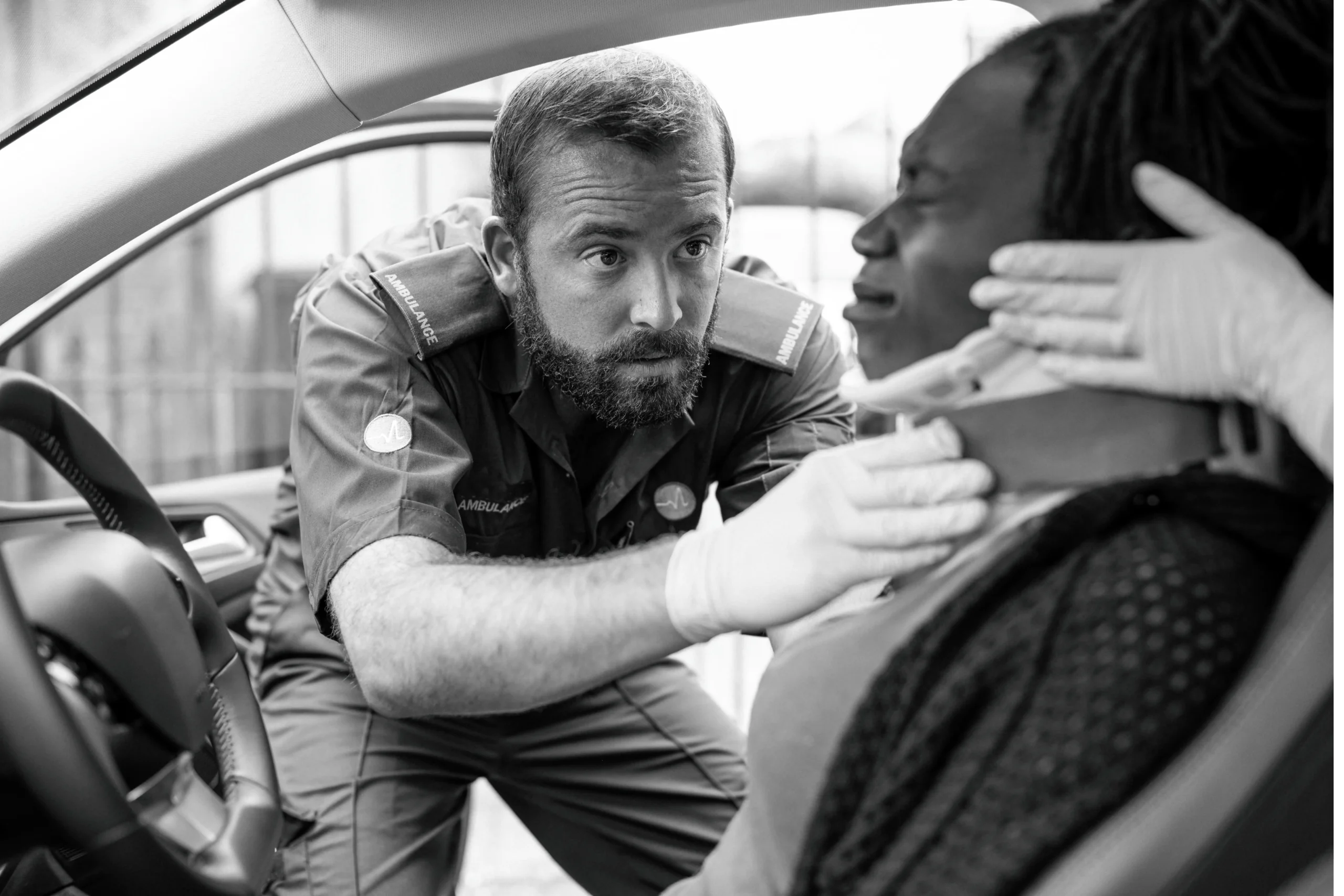
Many people benefit from physiotherapy following a fracture. Whether the injury occurred during sports, at work, in a fall, or in a motor vehicle collision, rehabilitation helps restore physical function after immobilization.
This service may be suitable for:
- Adults recovering from broken bones.
- Children returning to normal activity.
- Older adults recovering after falls.
- Athletes preparing to return to sport.
- Workers returning to physically demanding jobs.
- Individuals recovering after fracture surgery.
- People experiencing stiffness after cast removal.
- Anyone with reduced movement following a healed fracture.
Whether your fracture required surgery or healed without an operation, rehabilitation can support your recovery once your physician confirms it is safe to begin.
Who Can Benefit from Fracture Physiotherapy?
Many people benefit from physiotherapy following a fracture. Whether the injury occurred during sports, at work, in a fall, or in a motor vehicle collision, rehabilitation helps restore physical function after immobilization.
This service may be suitable for:
- Adults recovering from broken bones.
- Children returning to normal activity.
- Older adults recovering after falls.
- Athletes preparing to return to sport.
- Workers returning to physically demanding jobs.
- Individuals recovering after fracture surgery.
- People experiencing stiffness after cast removal.
- Anyone with reduced movement following a healed fracture.
Whether your fracture required surgery or healed without an operation, rehabilitation can support your recovery once your physician confirms it is safe to begin.
Problems Fracture Physiotherapy Can Address
After a fracture, many people notice changes that continue even after the bone has healed. Physiotherapy addresses physical limitations that commonly develop during recovery.
These may include:
- Joint stiffness
- Muscle weakness
- Reduced range of motion
- Swelling
- Difficulty walking
- Balance changes
- Limited flexibility
- Reduced grip strength
- Difficulty climbing stairs
- Trouble lifting everyday objects
- Decreased endurance
- Fear of moving the injured area
- Reduced coordination
- Difficulty returning to work or sport
Addressing these issues early can help restore normal movement patterns and reduce unnecessary strain on nearby joints.
What Is Included in Fracture Physiotherapy?
Comprehensive Assessment
Your physiotherapist begins by reviewing your medical history, fracture location, current mobility, strength, pain levels, and functional goals. This assessment helps determine the most appropriate rehabilitation plan.
Joint Mobility Exercises
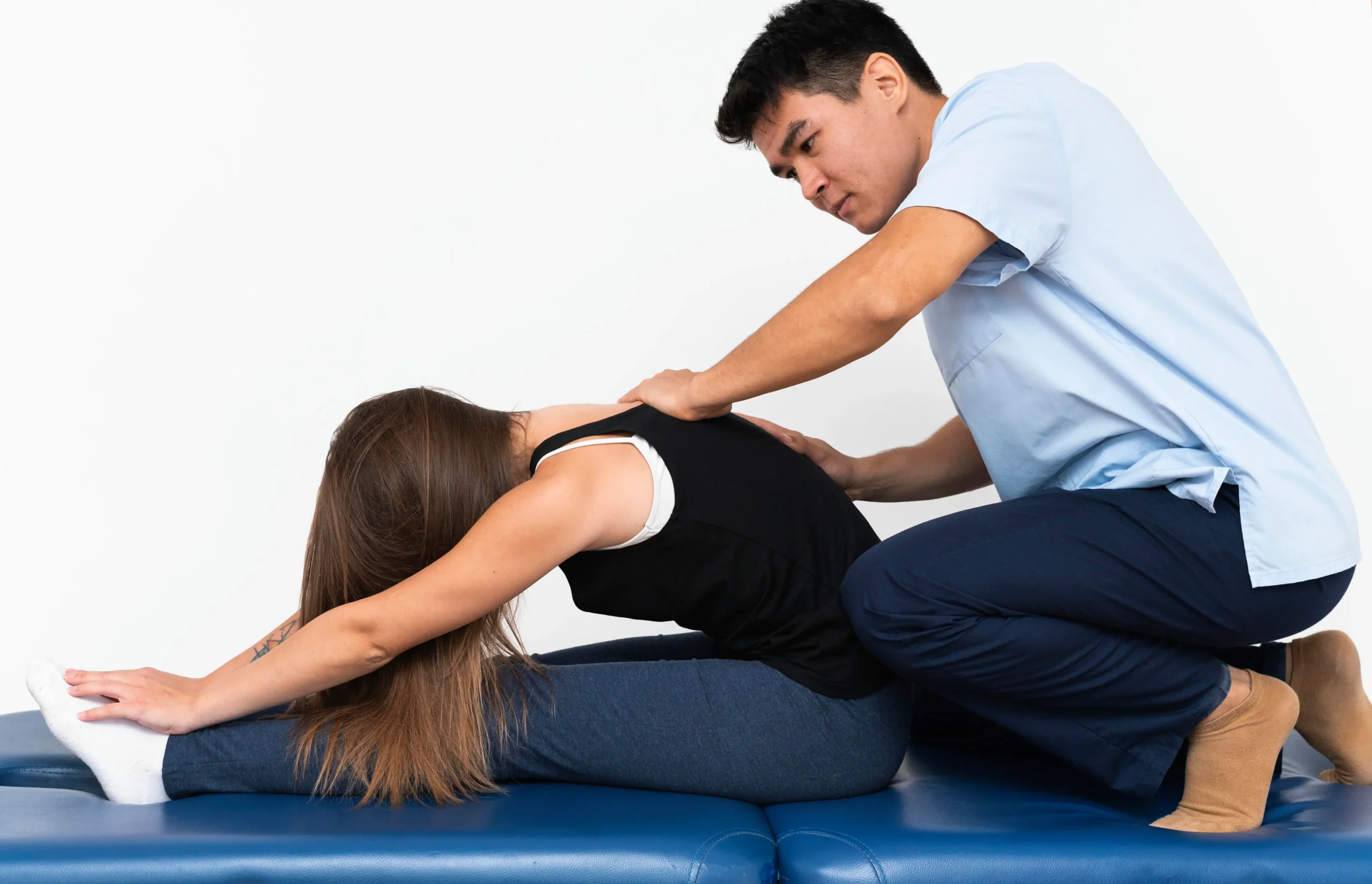
Immobilization often causes stiffness in nearby joints. Gentle mobility exercises help restore movement while respecting the stage of bone healing.
Strength Training
Muscles lose strength quickly during periods of inactivity. Progressive strengthening exercises help rebuild stability and physical capacity.
Balance and Coordination Training
Fractures involving the lower body may affect balance and walking mechanics. Balance exercises help restore confidence during everyday movement.
Walking and Gait Training
If your injury affected your hip, knee, ankle, or foot, your physiotherapist will evaluate your walking pattern and provide exercises that encourage smoother, more efficient movement.
Functional Movement Training
Treatment focuses on activities that matter most to your daily life, including lifting, reaching, climbing stairs, carrying objects, and returning to recreational activities.
Home Exercise Program
You’ll receive exercises that support your progress between appointments and encourage steady improvement throughout recovery.
How the Process Works
1. Initial Consultation
We begin by discussing your fracture, current symptoms, medical history, and recovery goals.
2. Physical Assessment
Your physiotherapist evaluates mobility, strength, flexibility, balance, walking pattern, and functional limitations.
3. Rehabilitation Planning
A rehabilitation plan is developed based on your fracture type, healing stage, physician recommendations, and activity goals.
4. Active Treatment
Your sessions may include therapeutic exercise, mobility work, movement retraining, and progressive strengthening.
5. Progress Monitoring
Your progress is reviewed regularly, allowing exercises to be adjusted as your mobility and strength improve.
6. Return to Activity
The final stage focuses on helping you safely return to work, sport, hobbies, and everyday activities with improved confidence.
Benefits of Fracture Physiotherapy
Physiotherapy supports recovery by helping individuals safely rebuild physical function after a fracture.
Potential outcomes include:
- Increased joint mobility
- Improved muscle strength
- Improved flexibility
- Greater confidence during movement
- Improved balance
- Increased walking tolerance
- Reduced stiffness
- Improved coordination
- Smoother return to daily activities
- Improved physical function for work and recreation
Every person’s recovery timeline is different, and rehabilitation is adjusted according to individual progress and medical recommendations.
Frequently Asked Questions
When should I begin physiotherapy after a fracture?
This depends on the type of fracture and your physician’s recommendations. Rehabilitation usually begins once the bone is stable enough for movement.
Do I need physiotherapy if my fracture has already healed?
Many people continue to experience stiffness, weakness, or reduced mobility after the bone heals. Physiotherapy can address these issues and help restore function.
Can physiotherapy help after surgery for a fracture?
Yes. Rehabilitation commonly follows surgical fixation to help restore strength, movement, and everyday function.
How long does fracture rehabilitation take?
Recovery varies depending on the location of the fracture, your overall health, and your activity goals. Your physiotherapist will monitor your progress throughout rehabilitation.
Will I receive exercises to complete at home?
Yes. Home exercises are often included to encourage continued progress between appointments.
Serving Calgary and Surrounding Communities
PhysioNation provides fracture physiotherapy in Calgary for individuals recovering from broken bones and orthopedic injuries. We also welcome patients from surrounding communities seeking to restore movement, strength, and function after a fracture.
Why Choose PhysioNation?
At PhysioNation, rehabilitation is centred around restoring safe movement and helping individuals return to the activities that matter most. Every assessment considers your injury, current abilities, and recovery goals so treatment progresses at an appropriate pace. We communicate closely with your recovery timeline and adapt exercises as your function improves, helping you move forward with confidence after your fracture.
Related Services
You may also benefit from:
- Orthopedic Physiotherapy
- Sports Injury Rehabilitation
- Post-Surgical Rehabilitation
- Manual Therapy
- Balance and Fall Prevention
- Strength and Conditioning
- Motor Vehicle Accident Rehabilitation
- Workplace Injury Rehabilitation
Get Started
If you’ve recently had a fracture and have been cleared to begin rehabilitation, PhysioNation is here to support your recovery. Our team will assess your movement, discuss your goals, and create a rehabilitation plan that helps you return to everyday activities safely and confidently.
Address: CO-OP PLAZA HAMPTONS, 1000 Hamptons Dr NW #622, Calgary, AB T3A 6A7, Canada
Phone: +1 403-475-8816
Contact our Calgary clinic today to schedule your assessment and take the next step toward restoring your mobility.