Neck Pain Treatment in Calgary
Neck pain can affect nearly every part of your daily routine, from working at a computer and driving to sleeping comfortably or turning your head while walking. Whether the discomfort started suddenly after an accident or developed gradually from daily habits, seeking care early may help reduce strain and restore normal movement.
At PhysioNation, we assess the source of your symptoms rather than focusing only on the area where you feel discomfort. Our clinic provides neck pain treatment for people throughout Calgary who are dealing with stiffness, reduced mobility, muscle tension, or recurring neck discomfort. Each assessment helps identify the factors contributing to your condition so your care plan can focus on improving movement, function, and day-to-day activities.
What Is Neck Pain?
Neck pain refers to discomfort affecting the cervical spine, its muscles, ligaments, tendons, joints, or nerves. The condition can range from mild stiffness to persistent discomfort that limits movement and daily tasks.
The neck supports the weight of the head while allowing movement in multiple directions. Because it is constantly active during work, driving, exercise, and everyday activities, it is vulnerable to strain and overuse.
Neck pain may develop gradually or appear suddenly following an injury. In some cases, symptoms remain localized to the neck, while in others they may extend into the shoulders, upper back, arms, or hands.
A detailed assessment helps determine the underlying cause so treatment can address the contributing factors rather than only the symptoms.


Who Can Benefit From Neck Pain Treatment?
People of all ages can develop neck pain. Physiotherapy may be appropriate for individuals who notice discomfort affecting work, recreation, or everyday activities.
This service may benefit:
- Office workers who spend long hours at a computer.
- Students using laptops or mobile devices.
- Drivers with prolonged sitting positions.
- Tradespeople performing repetitive lifting or overhead work.
- Athletes returning after sports-related injuries.
- Older adults experiencing reduced neck mobility.
- Individuals recovering from motor vehicle collisions.
- Anyone experiencing recurring neck stiffness or tension.
Whether symptoms are recent or have persisted for several months, identifying contributing factors can help improve movement and function.
Common Causes of Neck Pain
Neck pain can develop for many different reasons. During your assessment, your physiotherapist will determine which factors may be contributing to your condition.
Common causes include:
- Poor posture during work or study
- Muscle strain from repetitive movements
- Prolonged computer or mobile device use
- Whiplash injuries
- Sports-related injuries
- Joint irritation
- Muscle tightness
- Degenerative changes within the cervical spine
- Sleeping positions that place stress on the neck
- Reduced strength and mobility
Many people experience multiple contributing factors, making a detailed assessment an important first step.
Symptoms We Assess
Neck pain often presents differently from one individual to another.
Symptoms may include:
- Neck stiffness
- Difficulty turning the head
- Muscle tightness
- Pain while looking up or down
- Headaches associated with neck tension
- Shoulder discomfort
- Upper back tightness
- Pain extending into the arm
- Tingling or numbness
- Reduced range of motion
- Discomfort during prolonged sitting
- Pain while driving
- Sleep disturbances caused by neck discomfort
Our assessment helps determine how these symptoms relate to movement, posture, and daily activities.
How We Assess Neck Pain
Your first appointment begins with a detailed discussion about your symptoms, medical history, occupation, activity level, and daily routine.
Your physiotherapist may evaluate:
- Neck mobility
- Joint movement
- Muscle strength
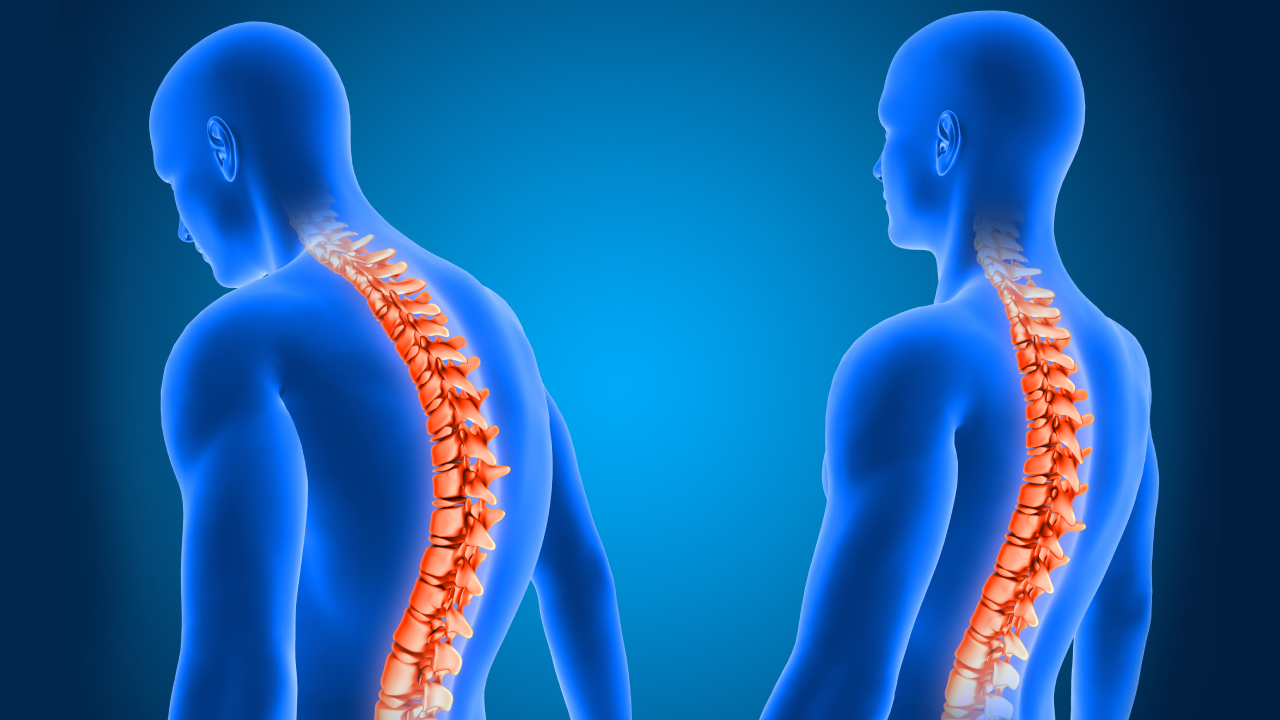
- Posture
- Flexibility
- Functional movement patterns
- Balance between the neck, shoulders, and upper back
- Nerve involvement when indicated
This assessment helps us identify the source of your symptoms and develop a care plan that aligns with your goals.
How Neck Pain Is Managed
Following your assessment, your physiotherapist develops a treatment plan based on your findings.
Your program may include:
Manual Therapy
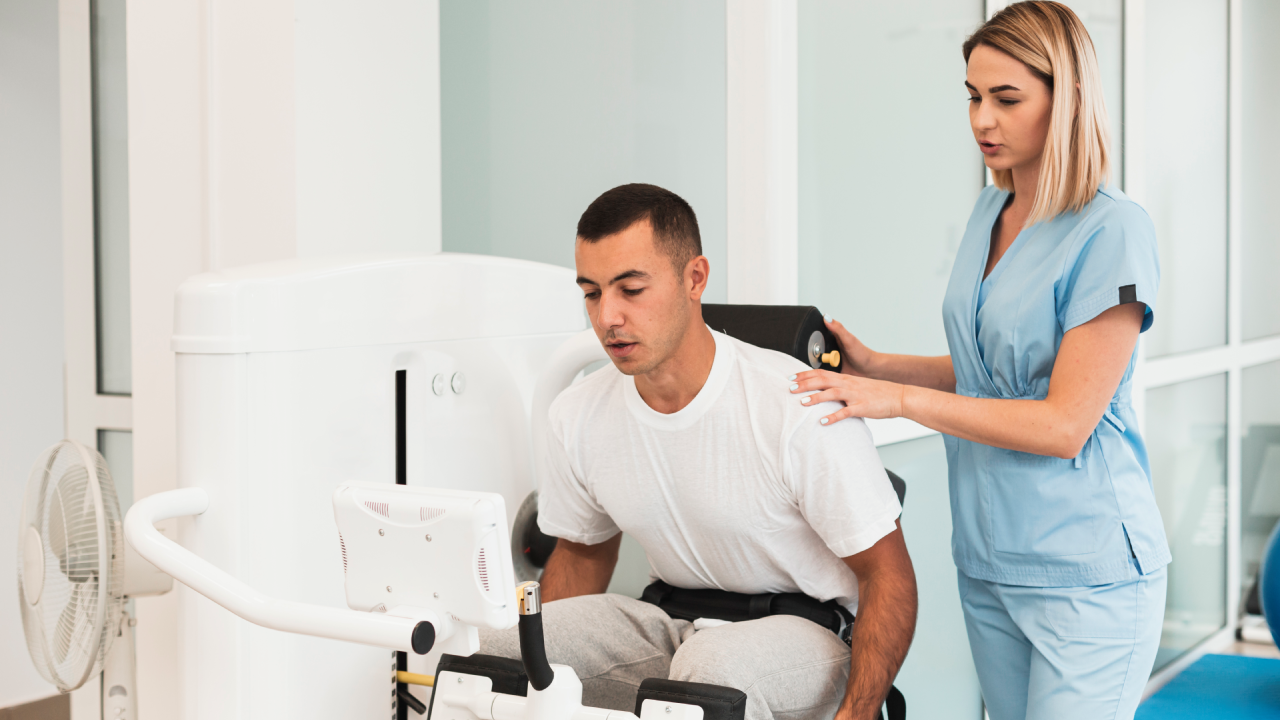
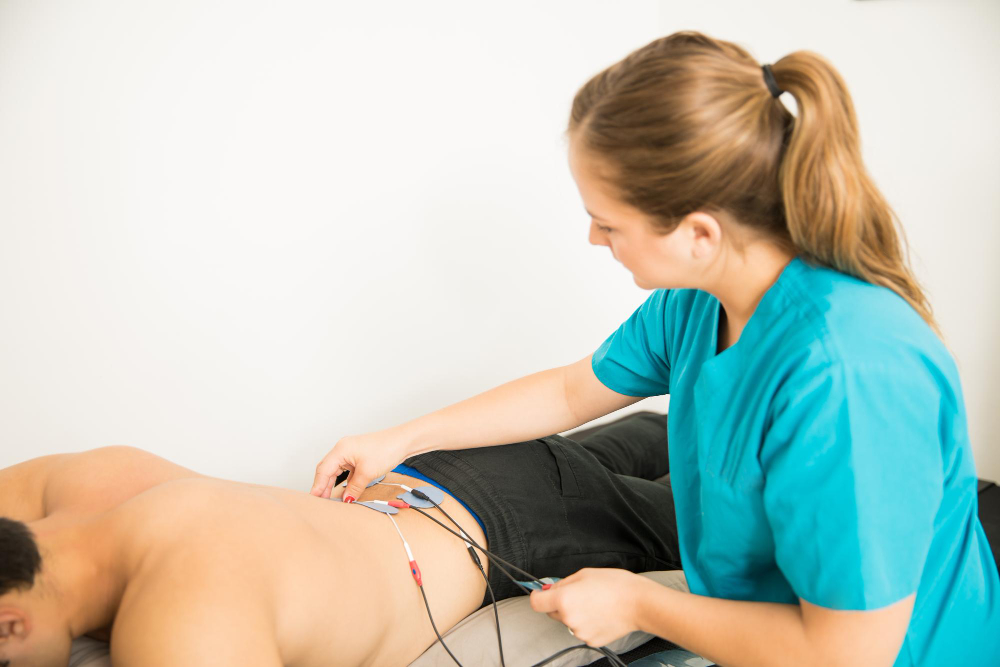
Hands-on techniques may be used to improve joint mobility and reduce muscle tightness where appropriate.
Therapeutic Exercise
Specific exercises help improve strength, flexibility, coordination, and neck control while supporting normal movement.
Mobility Training
Gentle mobility exercises may help improve movement throughout the neck and upper back.
Postural Education
Daily habits, workstation setup, and body posture can contribute to neck discomfort. We provide practical recommendations that can help reduce unnecessary strain throughout the day.
Activity Modification
If certain movements or activities are contributing to your symptoms, your physiotherapist will recommend temporary adjustments while maintaining as much activity as possible.
Progressive Exercise Program
As your movement improves, your exercise program progresses to help support work, recreation, and everyday activities.
Benefits of Physiotherapy for Neck Pain
A structured physiotherapy program may help you:
- Improve neck mobility.
- Increase flexibility.
- Restore functional movement.
- Improve strength.
- Reduce muscle tension.
- Improve posture.
- Return to work activities.
- Resume recreational activities.
- Improve driving comfort.
- Sleep more comfortably.
- Improve confidence with movement.
- Reduce the likelihood of recurring movement limitations.
Treatment goals are based on your assessment findings and daily activity requirements.
Frequently Asked Questions
When should I seek physiotherapy for neck pain?
If your neck pain lasts more than a few days, returns frequently, or limits your normal activities, an assessment can help determine the cause.
Can physiotherapy help after a car accident?
Yes. Neck pain following a motor vehicle collision is commonly assessed by physiotherapists. An examination helps identify movement restrictions and functional limitations that may be contributing to your symptoms.
Will I receive exercises?
Yes. Exercise is commonly included as part of your treatment plan and progresses as your mobility and function improve.
How many appointments will I need?
The number of visits depends on the nature of your condition, how long symptoms have been present, your activity goals, and your progress throughout treatment.
Can neck pain cause headaches?
In some cases, neck joints, muscles, and posture can contribute to headaches. Your assessment will determine whether your neck is contributing to your symptoms.
Get Started
PhysioNation provides assessment and physiotherapy services for people experiencing neck pain throughout Calgary. Whether your symptoms developed from work, sports, daily activities, or a recent injury, our team focuses on identifying the contributing factors and creating a structured plan to improve movement and function.
Address: CO-OP PLAZA HAMPTONS, 1000 Hamptons Dr NW #622, Calgary, AB T3A 6A7, Canada
Phone: +1 403-475-8816
If neck pain is affecting your work, recreation, or everyday routine, contact PhysioNation today to schedule an assessment and take the first step toward moving with greater comfort and confidence.