Tennis Elbow Treatment in Calgary
Tennis elbow is a common condition that causes pain on the outside of the elbow and can make everyday activities difficult. Despite its name, it affects far more than tennis players. People who lift, grip, type, use hand tools, or perform repetitive arm movements can develop this condition over time.
At PhysioNation in Calgary, we assess the underlying cause of your symptoms and create a treatment plan focused on restoring movement, reducing strain on the affected tissues, and helping you return to work, sport, and daily activities with greater comfort and confidence.
What Is Tennis Elbow?
Tennis elbow, also known as lateral epicondylalgia or lateral epicondylitis, is a condition involving the tendons that attach to the outer part of the elbow. These tendons help control wrist and finger movement. Repetitive loading, overuse, or sudden increases in activity can irritate these tissues, leading to discomfort and reduced arm function.
Although tennis elbow is commonly associated with racquet sports, many people develop it through routine activities. Office workers, tradespeople, mechanics, landscapers, warehouse employees, musicians, and fitness enthusiasts frequently experience this problem.
Without proper management, symptoms may persist for several months and gradually interfere with everyday tasks.


Who Can Benefit From Tennis Elbow Physiotherapy?
Physiotherapy may be appropriate for people who have elbow discomfort affecting work, recreation, or daily activities.
Common patients include:
- Tennis, pickleball, badminton, and squash players
- Golfers and gym members
- Construction and trade workers
- Office employees using a computer throughout the day
- Warehouse and manufacturing workers
- Musicians
- Gardeners
- Individuals recovering from repetitive strain injuries
Whether symptoms developed gradually or after a specific activity, an assessment can identify contributing factors and determine the next steps.
Signs and Symptoms of Tennis Elbow
Symptoms can vary depending on the severity of the condition.
Common signs include:
- Pain on the outside of the elbow
- Tenderness when touching the affected area
- Pain while gripping objects
- Weak grip strength
- Discomfort when lifting groceries, tools, or a kettle
- Pain during twisting movements such as opening jars or turning doorknobs
- Symptoms that worsen after repetitive arm activity
- Stiffness around the elbow in the morning
Many people initially notice mild discomfort that gradually becomes more frequent if the condition is not addressed.
Common Causes of Tennis Elbow
Tennis elbow develops when the tendons are repeatedly exposed to loads beyond what they can comfortably tolerate.
Common contributing factors include:
- Repetitive lifting
- Frequent gripping
- Racquet sports
- Weight training
- Repetitive computer use
- Manual labour
- Painting
- Carpentry
- Plumbing
- Mechanical work
- Sudden increases in activity levels
- Poor movement mechanics during work or sport
Often, several contributing factors combine rather than a single event causing the problem.
How PhysioNation Helps
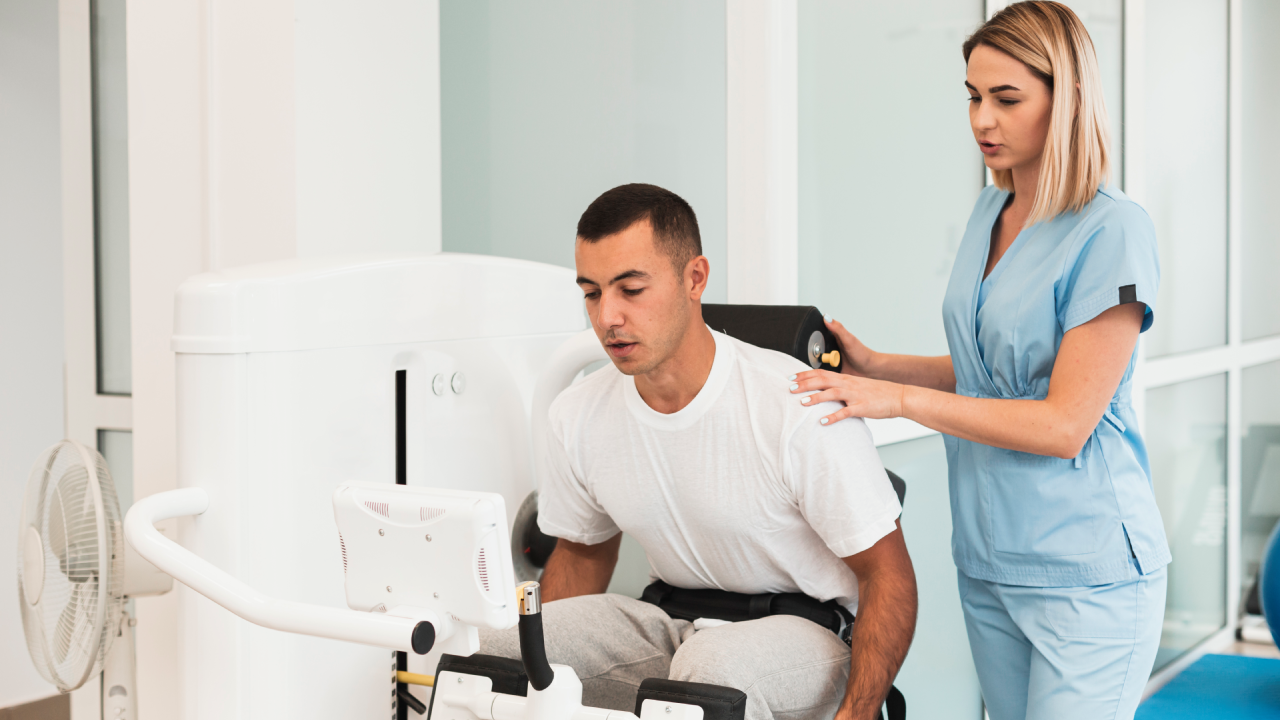
Treatment begins with a detailed assessment of your symptoms, movement patterns, strength, flexibility, joint mobility, and daily activities.
Your physiotherapist will determine:
- Which structures are contributing to your symptoms
- Activities that may be increasing tendon stress
- Strength deficits
- Joint mobility limitations
- Movement habits affecting recovery
Based on the assessment findings, your care plan may include several approaches working together.
Manual Therapy
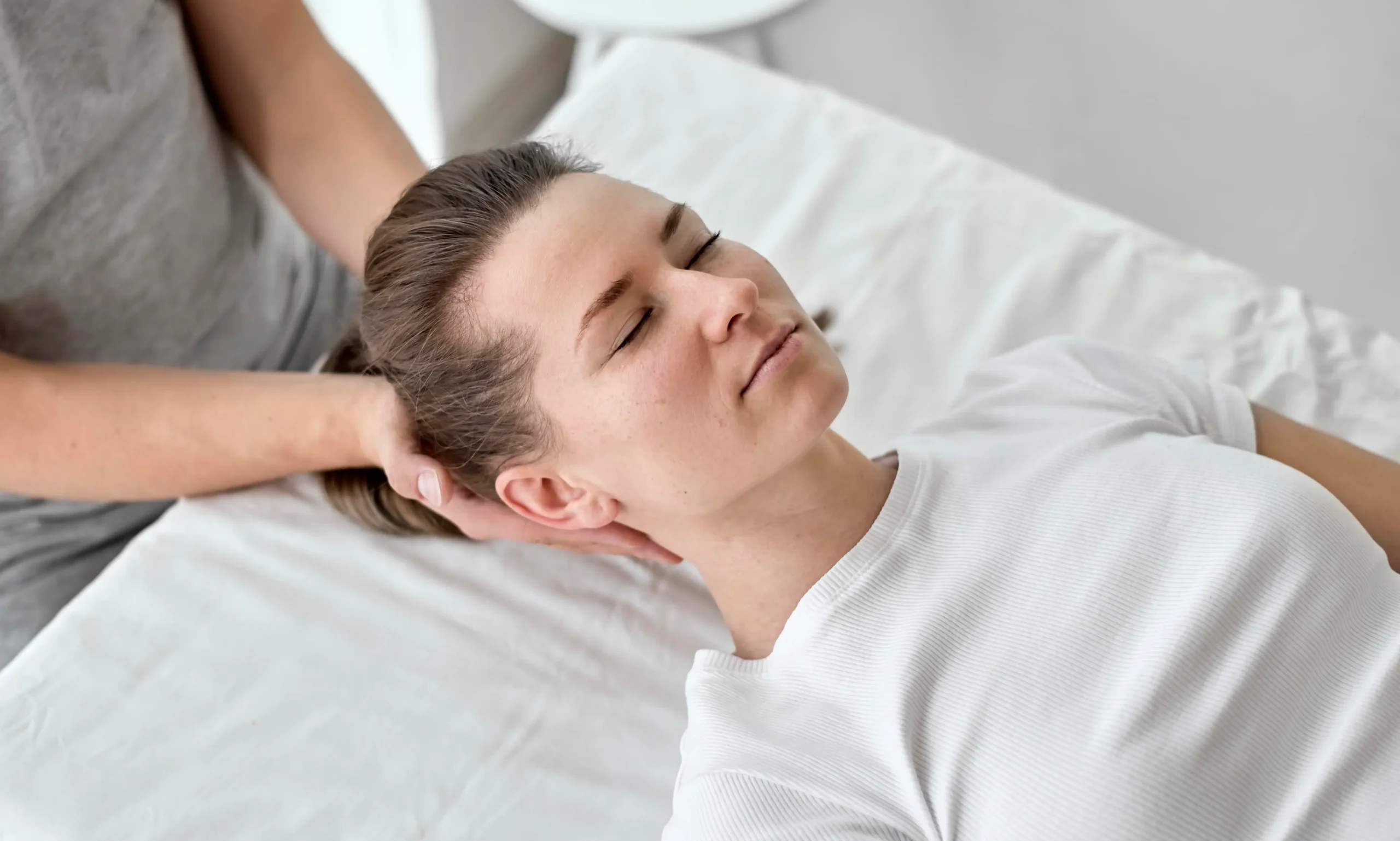
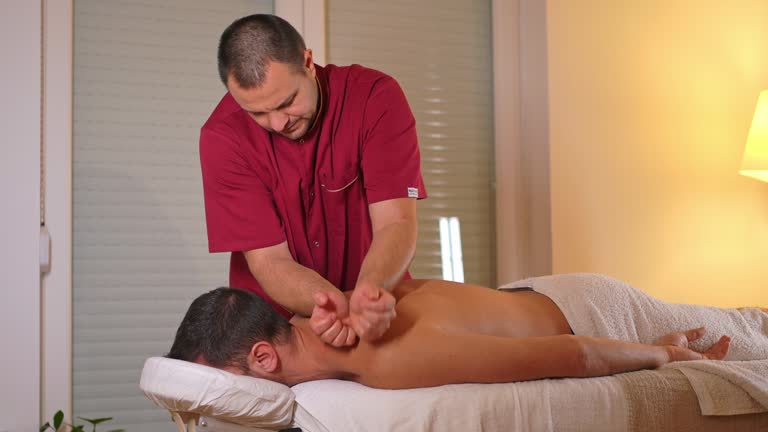
Hands-on techniques may be used to improve joint mobility, reduce muscle tension, and improve movement around the elbow, wrist, and shoulder.
Progressive Exercise Program
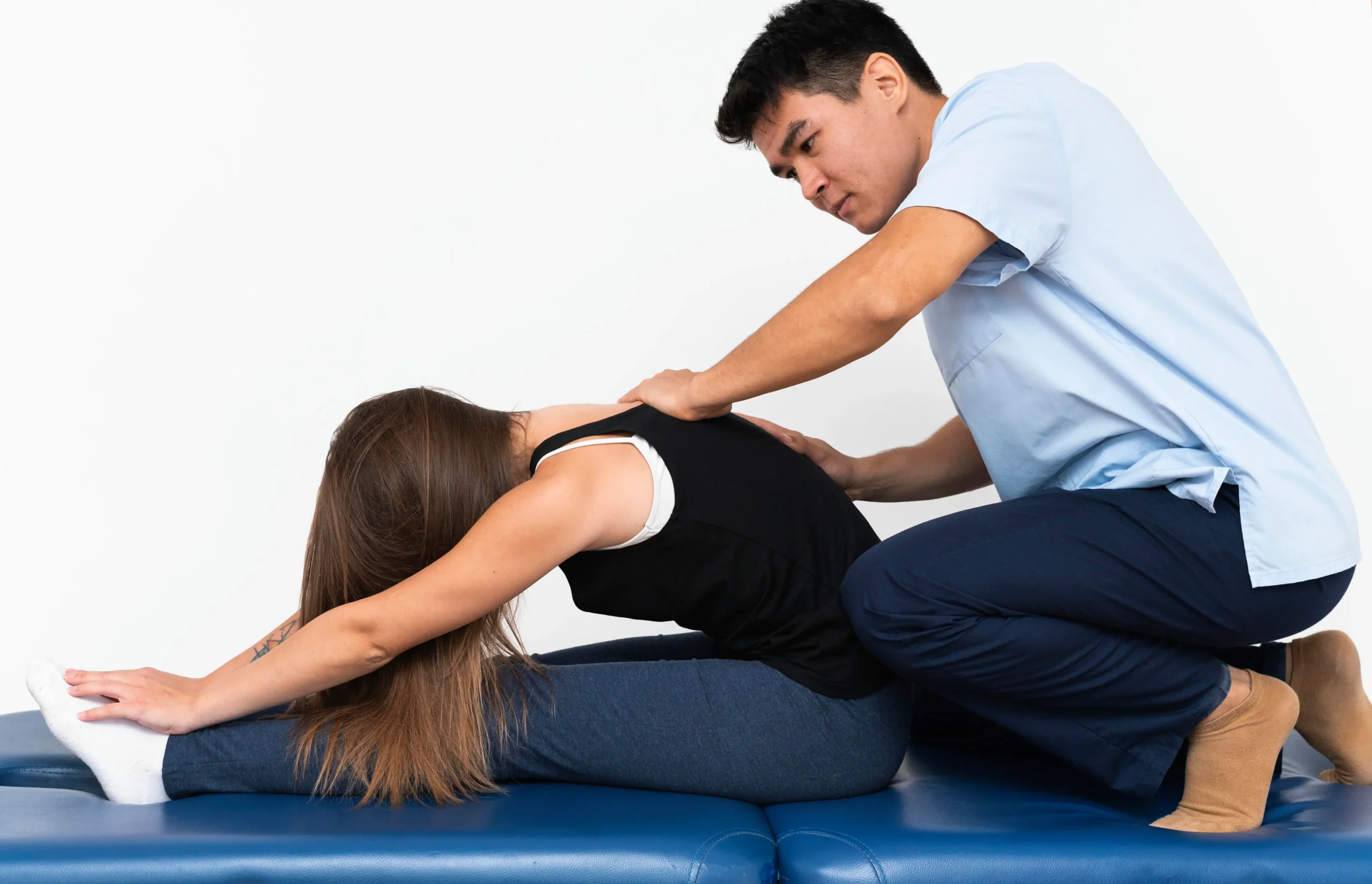
Strengthening exercises help improve the tendon’s ability to tolerate everyday activities. Exercises are progressed gradually based on your symptoms and function.
Mobility Exercises
Stretching and mobility work can improve flexibility in the forearm, wrist, shoulder, and upper limb where appropriate.
Activity Modification
Your physiotherapist may recommend temporary adjustments to work, sport, or recreational activities while the irritated tissues settle.
Education
Learning how tendon conditions develop helps reduce unnecessary strain and supports steady progress throughout recovery.
What to Expect During the Process
Initial Assessment
Your first appointment includes a discussion about your symptoms, work demands, recreational activities, previous injuries, and overall health history.
Physical Examination
Your physiotherapist evaluates:
- Elbow movement
- Wrist function
- Grip strength
- Muscle strength
- Joint mobility
- Functional tasks
- Pain-provoking movements
Individual Care Plan
Based on the assessment findings, a treatment program is developed that matches your goals and daily demands.
Progressive Rehabilitation
As symptoms improve, exercises become more challenging to restore strength, endurance, and function.
Follow-Up Assessments
Your progress is monitored regularly so your program can be adjusted as your condition changes.
Benefits of Physiotherapy for Tennis Elbow
Many people seek physiotherapy because it addresses both symptoms and the underlying factors contributing to the condition.
Potential outcomes include:
- Reduced elbow discomfort during daily activities
- Improved grip strength
- Increased arm function
- Improved lifting ability
- Increased confidence returning to work
- Improved performance during sport
- Reduced strain during repetitive tasks
- Improved movement mechanics
- Lower chance of recurring symptoms through ongoing exercise
Recovery timelines vary depending on symptom duration, activity levels, and individual healing capacity.
Who We Help in Calgary
PhysioNation works with individuals from many backgrounds, including:
- Office professionals
- Tradespeople
- Students
- Recreational athletes
- Competitive athletes
- Seniors
- Fitness enthusiasts
- Healthcare workers
- Industrial employees
- Active adults
Whether your symptoms developed from work, recreation, or sport, our team provides care focused on restoring everyday function.
Frequently Asked Questions
Can tennis elbow heal without treatment?
Some mild cases improve over time, but symptoms often continue when repetitive activities remain unchanged. Physiotherapy can help identify contributing factors and improve tendon capacity.
How long does recovery take?
Recovery varies depending on the severity of the condition, activity demands, and the consistency with which the rehabilitation program is followed. Some people notice progress within several weeks, while others require a longer rehabilitation period.
Do I need to stop exercising?
Not necessarily. Your physiotherapist can recommend activity modifications to help you remain active while reducing unnecessary stress on the affected tendon.
Is tennis elbow only caused by playing tennis?
No. Most people with tennis elbow have never played tennis. Repetitive gripping, lifting, computer work, and manual labour are common causes.
Will I receive exercises to do at home?
Yes. Home exercises play an important role in building strength and supporting recovery between appointments.
Service Areas
PhysioNation proudly provides tennis elbow physiotherapy for individuals throughout Calgary. Whether your symptoms are affecting work, sport, or daily activities, our clinic provides assessment, rehabilitation, and ongoing support to help you move more comfortably and confidently.
Why Choose PhysioNation?
PhysioNation provides evidence-informed physiotherapy focused on identifying the source of your symptoms rather than simply addressing the area of discomfort. Every assessment considers your movement patterns, activity demands, and personal goals to create a clear rehabilitation plan.
Our team works with people recovering from sports injuries, repetitive strain conditions, workplace injuries, and musculoskeletal problems affecting everyday movement. Progress is monitored throughout your care so your rehabilitation program can evolve as your function improves.
Related Services
You may also be interested in:
- Sports Injury Physiotherapy
- Shoulder Pain Physiotherapy
- Wrist Pain Treatment
- Manual Therapy
- Exercise Rehabilitation
- Workplace Injury Rehabilitation
- Post-Surgical Rehabilitation
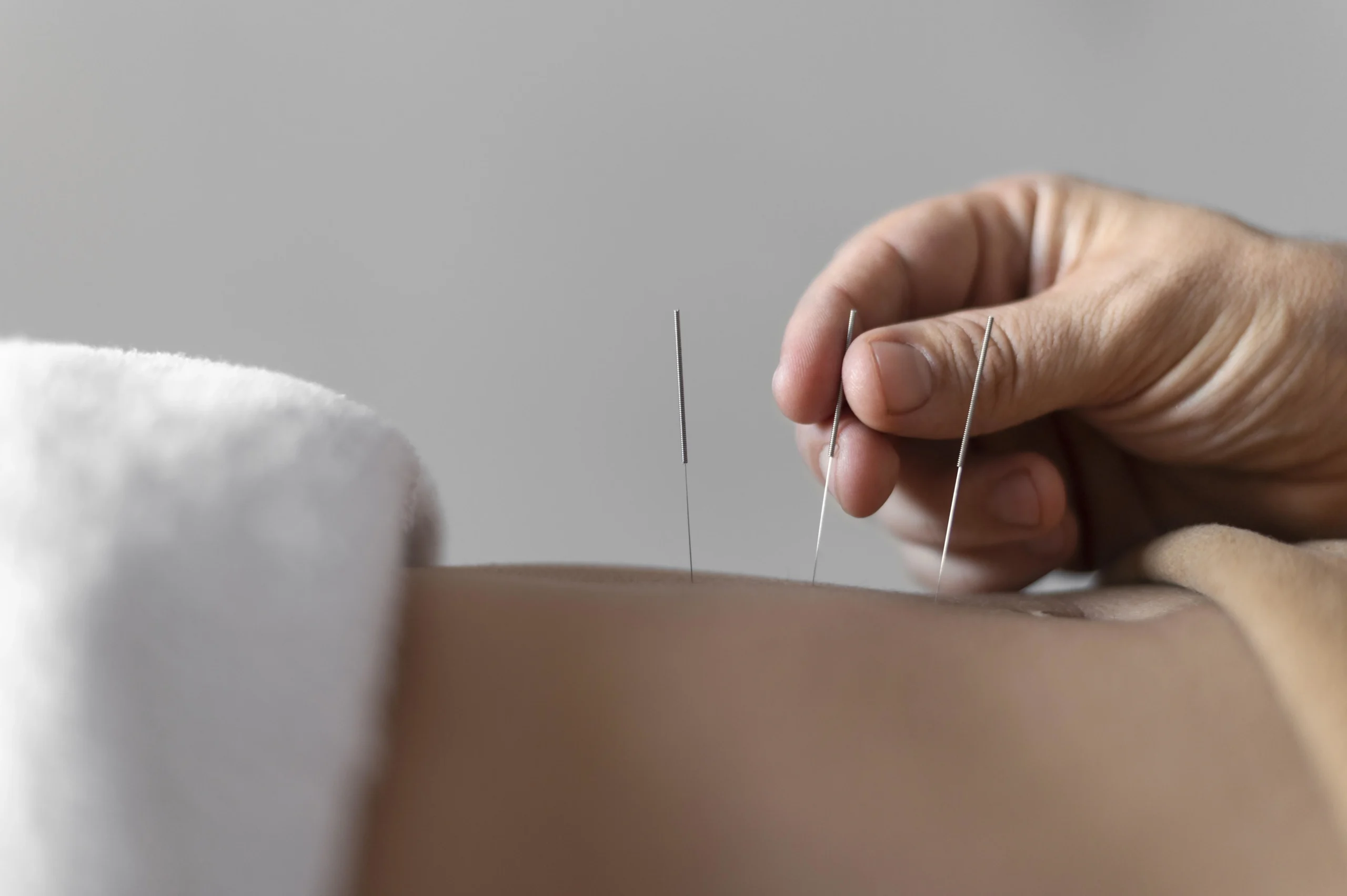
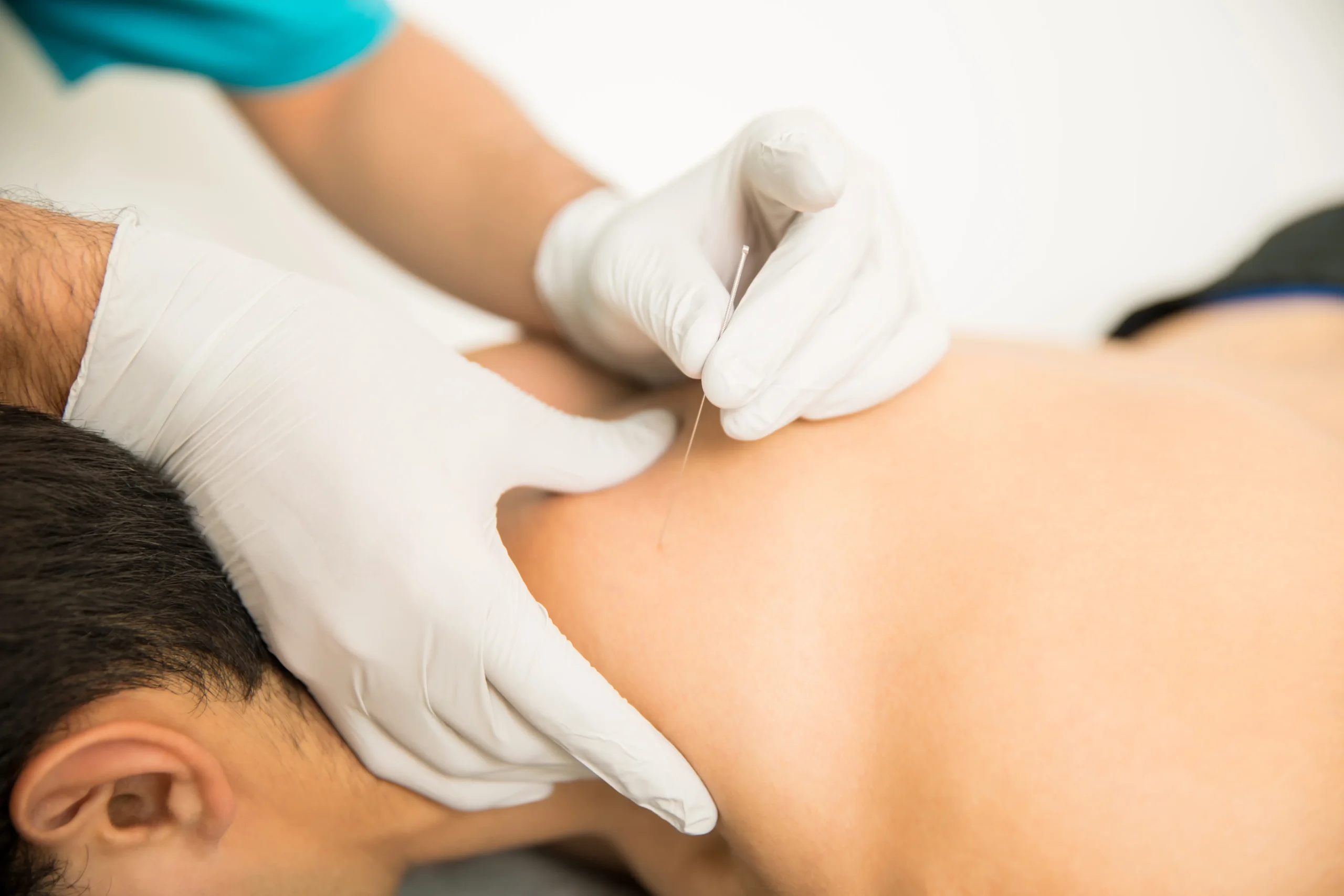
- Dry Needling
- Custom Exercise Programs
Get Started
If elbow pain is making everyday tasks more difficult, PhysioNation is here to help. Contact our Calgary clinic to schedule an assessment.
Address: CO-OP PLAZA HAMPTONS, 1000 Hamptons Dr NW #622, Calgary, AB T3A 6A7, Canada
Phone: +1 403-475-8816
We’ll evaluate your condition, explain the findings, and create a clear rehabilitation plan focused on restoring strength, movement, and function so you can return to the activities that matter most.